
Morocco Itineraries: 7, 10 & 14 Days
A good Morocco itinerary connects a manageable number of bases and treats travel days as part of the holiday. Seven days are enough for one region with contrasting experiences. Ten days allow a broader route, while two weeks can combine northern and southern cities if you accept substantial transfers. The plans below are editorial suggestions for independent travel, not bookable packages or guaranteed transport connections.
Choose a route before booking flights
Count nights first. A seven-day trip normally means six nights when you arrive on day one and depart on day seven. A very late arrival reduces usable time further. Open-jaw flights can save backtracking, but compare the fare difference with the time and cost of returning to your first airport. Keep the final night reasonably close to your departure point, especially when a road journey or separate transport booking could disrupt the connection.
| Trip length | Route | Nights | Main trade-off |
|---|---|---|---|
| 7 days | Marrakech and Essaouira | Marrakech 3 + Essaouira 2 + Marrakech 1 = 6 | No Sahara or northern cities |
| 10 days | Tangier, Chefchaouen, Fez and Rabat | Tangier 2 + Chefchaouen 2 + Fez 3 + Rabat 2 = 9 | No Marrakech or distant dunes |
| 14 days | Casablanca, Rabat, Fez, Marrakech and Essaouira | Casablanca 1 + Rabat 2 + Fez 3 + Marrakech 3 + Essaouira 3 + Marrakech 1 = 13 | Several transfer days; no Sahara overnight |
On a small screen, scroll the table horizontally to see every column.
Scroll the table sideways on a smaller screen if needed. None of these routes depends on a rental car. Confirm your actual journey with ONCF for trains and the relevant coach operator before buying non-refundable accommodation. A route on a map does not mean a direct train exists between every pair of places.
Seven days: Marrakech and Essaouira
Days 1–3: Marrakech, three nights
On day one, transfer to your accommodation and keep the first evening light. Ask the property to explain the last vehicle access point and the walking approach to your riad. Use day two for a medina walk and one or two architectural visits, with a long midday break if it is hot. Day three can hold a cooking class, gardens or a carefully selected foothill outing. Do not promise yourself all three within the same day.
This opening block gives flexibility if your flight arrives late or you need time to settle. Travellers especially interested in hiking can replace one Marrakech day with an overnight outside the city, but the night total then changes. Book a route suited to the season and your fitness, and avoid making an ambitious mountain objective the compulsory centrepiece of a short holiday.
Days 4–5: Essaouira, two nights
Travel to Essaouira on day four, allowing for departure from your accommodation, the coach or car journey and the final approach to your next property. Spend the remaining afternoon walking the medina or seafront. Day five is your full coastal day: choose a surf lesson, a longer walk or time around the harbour and craft streets. Wind can make beach lounging less comfortable than the sunshine suggests, so keep a town-based alternative.
Days 6–7: Marrakech return and departure
Return to Marrakech on day six and stay one final night. Use any spare time for a relaxed meal or a missed visit rather than booking a tightly timed activity immediately after the road transfer. Depart on day seven. This return night is deliberately included; replacing it with a same-day road journey to the airport transfers more risk to your flight connection.
Ten days: a northern cultural route
Days 1–2: Tangier, two nights
Arrive in Tangier and spend two nights there. Build your full day around the medina, waterfront and a museum or cultural visit that genuinely interests you. Avoid adding a distant excursion simply because the city is an arrival gateway. A second night makes a late flight or ferry arrival easier to absorb and allows an unhurried introduction to the north.
Days 3–4: Chefchaouen, two nights
Move to Chefchaouen by a confirmed road service or arranged transfer. There is no need to invent a rail connection to a mountain town. Use the arrival afternoon for a short orientation, then devote day four to the medina or a locally advised Rif walk. A walking day should have its own transport and weather plan; attractive photographs are insufficient evidence of a suitable route.
Days 5–7: Fez, three nights
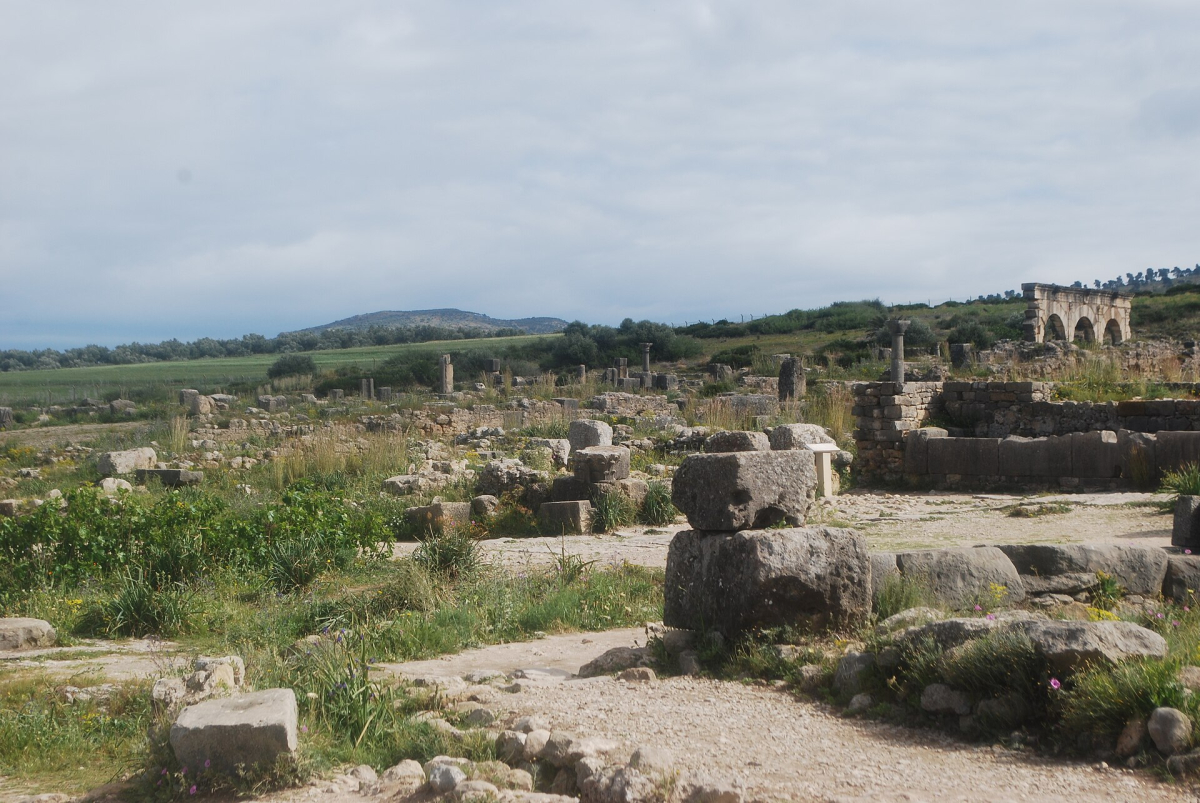
Day five is a transfer day to Fez. On day six, arrange a guided visit focused on architecture or crafts, then explore more slowly on day seven. You could substitute a carefully organised outing towards Meknes and Volubilis for that second full day, but doing so reduces time in Fez itself. Decide which interest matters most rather than assuming every nearby place is essential.
Days 8–10: Rabat, two nights and departure
Travel to Rabat on day eight and stay two nights. Keep day nine for the capital's waterfront and cultural sites. Depart on day ten from an airport that fits your confirmed flight and transfer arrangements. If you fly from Casablanca instead, check the full door-to-airport connection and leave sufficient margin; a city-centre railway arrival is not the same as reaching your check-in desk.
Fourteen days: imperial cities and Atlantic time
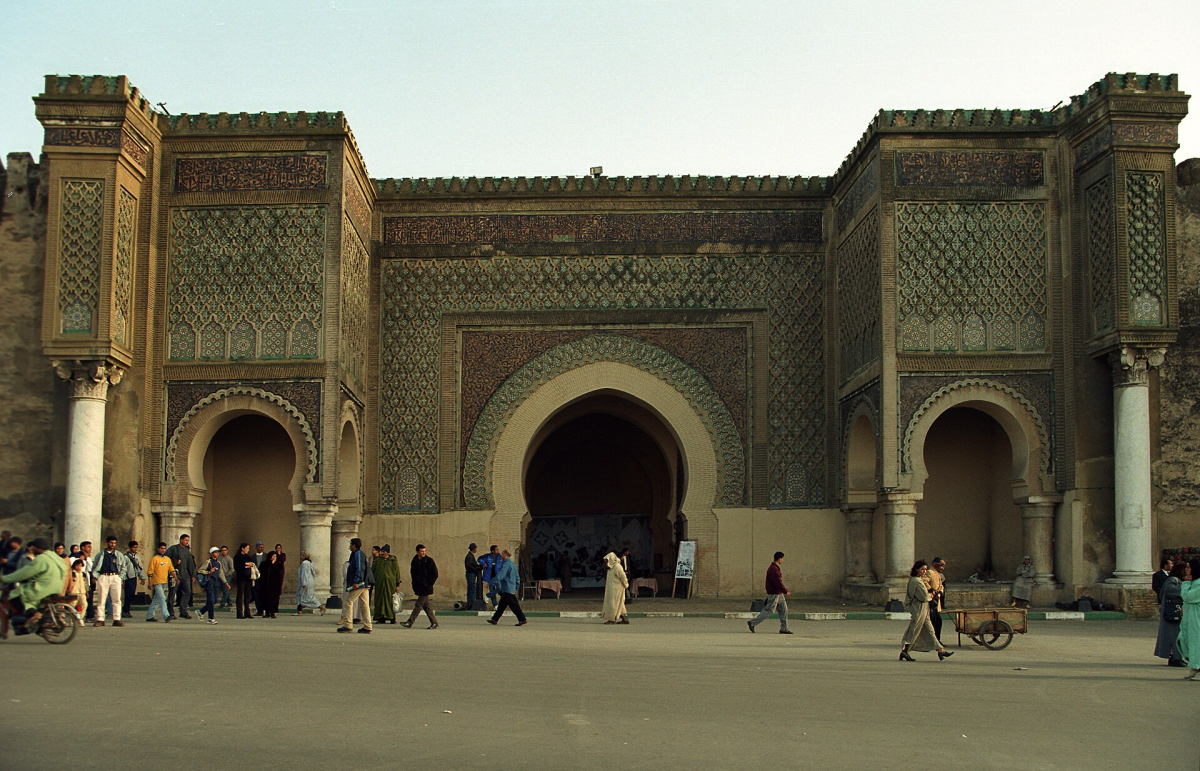
Start with one night in Casablanca on day one, particularly if a long international flight leaves you tired. Continue to Rabat for nights two and three, then Fez for nights four, five and six. This arrangement makes the capital and Fez substantial stays rather than hurried photo stops. Use the regional planning guide to choose the visits within each base.
Day seven connects Fez and Marrakech. Treat it as a substantial intercity travel day and compare actual train schedules and other suitable transport. Spend nights seven, eight and nine in Marrakech. You then have two full days for a medina-focused day and a different experience, such as cooking or a suitable outdoor outing. A late arrival on day seven should not trigger a crowded schedule on the following morning.
Move to Essaouira on day ten and spend nights ten, eleven and twelve there. Three nights allow two full coastal days, making room for a weather change and a genuine rest. Return to Marrakech for night thirteen, then depart on day fourteen. If your flight leaves from another city, redesign the final segment before booking; the plan's night count does not make every possible airport convenient.
If the Sahara is your priority
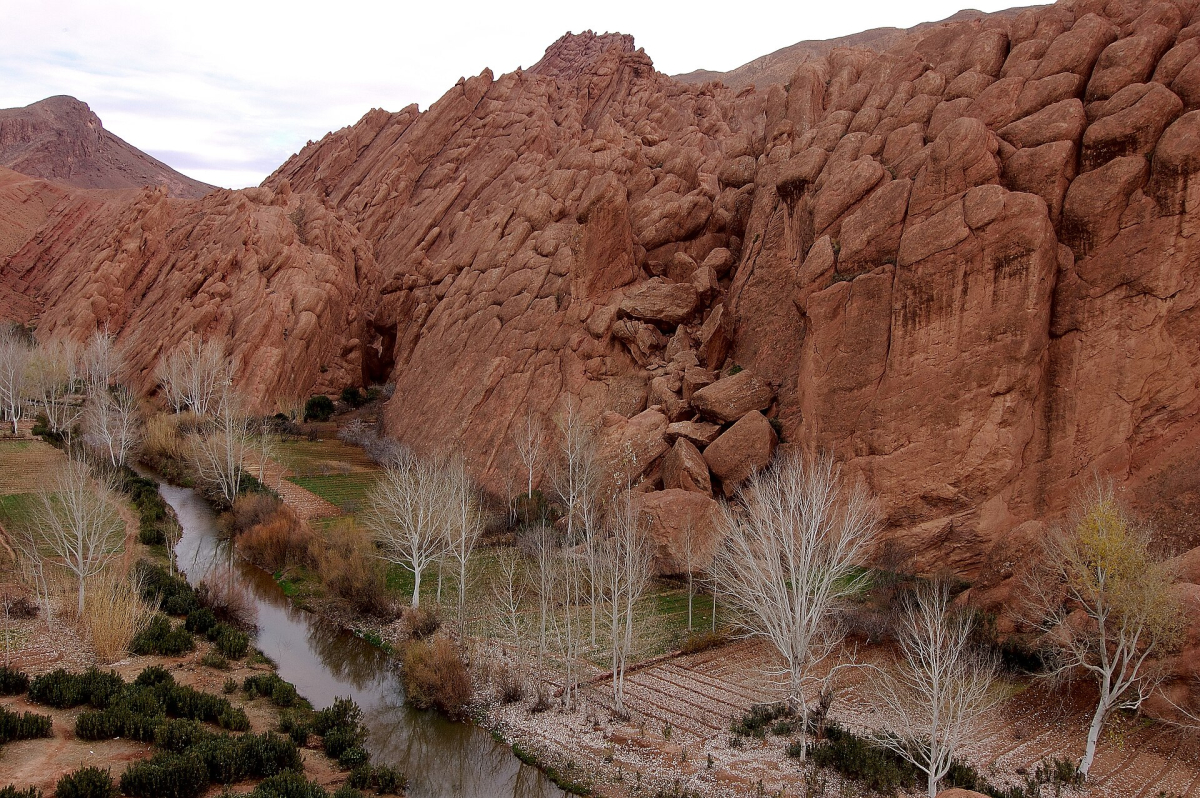
Replace a section of the trip rather than adding a desert excursion to an already full route. A multi-day Marrakech-to-dunes-to-Marrakech journey uses considerable road time, while a through-route towards Fez changes the order of your bases. Request the exact overnight stops and driving schedule from the operator. Ask how much time is actually spent near the dunes, which camp is used and what happens in unsuitable conditions.
For a two-week trip, you might give the desert segment the days otherwise allocated to Essaouira, accepting that the holiday will contain more road travel and less recovery time. Do not retain every coastal night and simply shorten the cities until the itinerary becomes a sequence of one-night stays. If you dislike long drives, choose mountains or coast on this visit and leave the dunes for a more focused return.
Adapt the pace, season and access
Families can reduce the number of bases and alternate structured visits with open time. Travellers with limited mobility should confirm steps, vehicle access, bathroom arrangements and luggage assistance directly with properties and operators. In hot weather, bring outdoor sightseeing forward and protect a midday rest period. Rain or wind may favour museums, craft visits and cooking rather than a mountain or sea excursion.
Check the weather and best-time guide, transport choices and airport transfers together. They answer different parts of the same planning problem. Reserve a cushion in your travel budget for a changed transfer or an extra night rather than spending the entire allowance before departure.
Morocco itineraries: frequently asked questions
Is seven days enough for Morocco?
Yes, for a focused introduction to one region. Marrakech and Essaouira offer contrasting city and coastal time without turning every day into an intercity journey. Seven days are not enough to visit the entire country comfortably.
Can I include Tangier, Marrakech and the Sahara in one week?
You can buy transport between many places, but the resulting schedule leaves little usable time and depends on long transfers. Choose fewer places or extend the trip if all three are priorities.
Do these itineraries need a car?
No. The main city routes can use trains, coaches and arranged transfers. For rural outings, organise the final connection separately and compare that cost with keeping a car throughout the trip.
Should I reserve every activity in advance?
Reserve scarce or fixed-date activities, but leave room for weather, fatigue and discoveries. A full calendar of non-refundable bookings can make a manageable itinerary unnecessarily rigid.



