
Getting Around Morocco: Trains, Coaches & Driving
Choose transport by route, rather than using one method everywhere
The best way to travel around Morocco depends on where you are going next. Rail is worth checking first for a route linking the principal northern and central cities. Coaches extend the possibilities beyond the railway, while a rental car or arranged vehicle can make sense for a rural itinerary with several stops. Combining methods is often more useful than committing to a car for an entire trip or assuming every place on your list has a train station.
Start with the places where you will sleep, then draw the journeys between them. The Morocco map and regions guide helps distinguish a city corridor from a mountain or desert journey. Check the actual transport route rather than using straight-line distance. A road over a mountain pass, a journey through a large city and a motorway drive demand different amounts of energy even when the distances look similar.
Build transfer days into your Morocco itinerary. A journey described as taking several hours also involves reaching the departure point, boarding, stops, baggage collection and the final approach to your accommodation. On a short trip, removing one distant stop may create a better holiday than adding a faster and more expensive transfer. Leave enough daylight to arrive, eat and become familiar with a new place.
Trains: useful for the main city corridor
ONCF Voyages is the official starting point for searching Moroccan train journeys. Enter the precise station names, travel date and passenger details, then read the journey shown. Casablanca, Rabat, Tangier, Fès and Marrakech are important places to investigate when designing a rail itinerary, but a city appearing on a rail map does not mean that every pair has a direct service. Some journeys need a connection, and different services can use different stations.
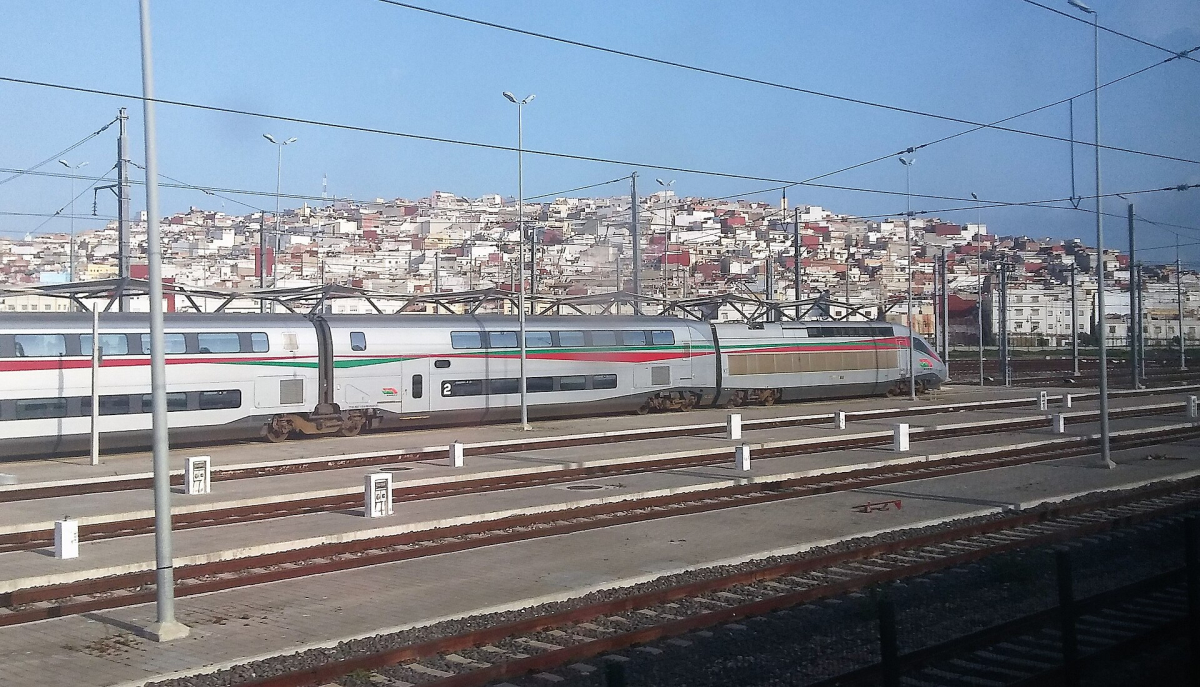
Al Boraq is the high-speed service on the Tangier–Kenitra–Rabat–Casablanca corridor. Do not assume that every ONCF journey or every section of a long through itinerary uses high-speed rail. ONCF's corporate website provides network information; use the date-specific sales journey for current departures and conditions. Historical journey times and proposed network extensions are not evidence that a future route is already operating.
Compare ticket conditions as well as price. Read whether a fare is tied to a particular train, what changes or refunds are permitted and how children or additional baggage are handled. Save the ticket and booking reference offline. If you buy separate journeys, consider the consequence of the first train arriving late; a short nominal transfer can become stressful when you are carrying luggage or unfamiliar with the station.
Choose a station that matches the purpose of the journey. A convenient station for an onward train may be less convenient for your hotel. In Casablanca, for example, Casa Voyageurs and Casa Port are different places. Arriving at the right station can save a second transfer. Check the final approach with the accommodation, especially when the address lies within a medina or beyond the central district.
Coaches: reach places outside the rail network
Intercity coaches are important when the destination is beyond the railway. Check CTM and Supratours for the route and date you need. These are operator websites rather than a guarantee that both companies serve every place in your plan. If a search returns no departure, try the operator's recognised city spelling and consult its contact or agency information before concluding that the route does not exist.
Read the departure location carefully. A company's terminal, a railway-adjacent stop and a general bus station can be different places. Use the exact address on the ticket, then allow time to find the right counter or boarding area. Do not navigate solely to a generic map pin labelled “bus station”. Ask about checked luggage, any separate baggage procedure and how much time to allow before departure.
A longer coach journey is usually easier to plan as a transfer day rather than a full sightseeing day. Carry water, something to eat, a light layer and any medication you may need before reaching the destination. Keep valuables, documents and essentials with you rather than in the luggage hold. If a connection involves a different operator, leave a generous margin and understand how you would continue if the first journey is delayed.
For a rail-and-coach combination, check whether the booking actually covers both legs. A suggested connection on a map does not create a single protected ticket. Read what the itinerary includes and identify each departure point. This matters particularly when travelling onward from Marrakech towards places reached by road, where the connection and the final local transfer can consume more time than expected.
Match the transport to the shape of your trip
Scroll sideways on a small screen to read all columns.
| Journey type | Start by comparing | Main trade-off |
|---|---|---|
| Major cities on the rail corridor | ONCF rail, including any changes | Station location versus door-to-door travel |
| A city to a destination beyond the railway | CTM or Supratours coach, then local transfer | Departure point, baggage and connection margin |
| Several rural stops in one region | Rental car or arranged driver | Flexibility versus driving, parking and contract costs |
| One city with occasional excursions | Walking, local transport and selected day tours | Fewer vehicle costs versus fixed excursion arrangements |
| A tight flight connection | A direct transfer or previous-night repositioning | Higher upfront cost versus missed-flight exposure |
On a small screen, scroll the table horizontally to see every column.
Driving: worthwhile when the stops justify the responsibility
A rental car gives control over departure times and intermediate stops, but the comparison should include more than the daily rate. Ask about the security deposit, payment card, insurance excess, excluded damage, fuel policy, mileage, additional drivers and one-way return charges. Check the required licence and any translation or international permit with the rental company and the relevant official guidance for your circumstances. Do not assume another traveller's document arrangement applies to you.
Inspect the vehicle before departure, photograph existing damage with the supplier present and record how to obtain roadside support. Confirm which roads the contract permits, particularly if a route includes an unsealed approach. An ordinary rental car is not automatically suitable or authorised for an off-road excursion. A map suggesting a shortcut does not establish that the road is accessible, safe or within your agreement.
For mountain routes, review the season and regional weather rather than looking only at the forecast in Marrakech. Build in daylight, rest stops and a flexible turnaround decision. Avoid planning a long unfamiliar drive immediately after a tiring flight. If you are primarily visiting dense city centres, collect the car when you leave the city instead of paying for parking throughout the stay.
Local transport and the last kilometre
Walking is valuable in historic centres, although surfaces, stairs, crowds and vehicle access vary. Plan a practical walking route with an offline map, comfortable shoes and the accommodation's directions. A short distance on the map can be demanding with heavy luggage. For anyone with mobility needs, ask about the actual street approach and entrance rather than relying on a general description of a property as central.
The Moroccan tourist office's transport information distinguishes city petit taxis from other transport choices. Before a taxi journey, clarify the destination and how the fare will be determined; confirm any total price before leaving where a meter is not being used. Keep enough small cash for local journeys, and avoid agreeing to additional stops you do not want.
A driver or organised excursion can be useful where public transport would require several changes, but inspect what is included. Transport, a guide, entrance fees and meals are separate services unless the booking clearly combines them. Compare the pickup area and return arrangements, not merely the attraction name. The things to do guide helps decide which experiences justify an organised outing.
Getting around Morocco FAQ
Can I explore Morocco without renting a car?
Yes, a route designed around trains, coaches and selected local transfers can work well. Choose overnight stops around real connections rather than expecting every rural attraction to fit a public-transport day.
Does Al Boraq serve every major Moroccan city?
No. It is a specific high-speed corridor. Check ONCF for the complete journey, including conventional train sections or changes, rather than treating the whole network as high-speed.
Should I book a coach from the railway station?
Use the location printed on your actual ticket. Some services connect with rail, but operators can have their own departure points and baggage procedures.
Is a car useful during a medina stay?
Often it is more useful after you leave the city. Check access and parking before booking; an accommodation address inside a medina may involve a separate walk.
How much should I put aside for transport?
Price each intercity leg for your dates and add local journeys, baggage or transfers where applicable. Use the Morocco budget guide to keep these costs separate from accommodation and activities.

