
Morocco Visa & Entry: Check Your Passport Requirements
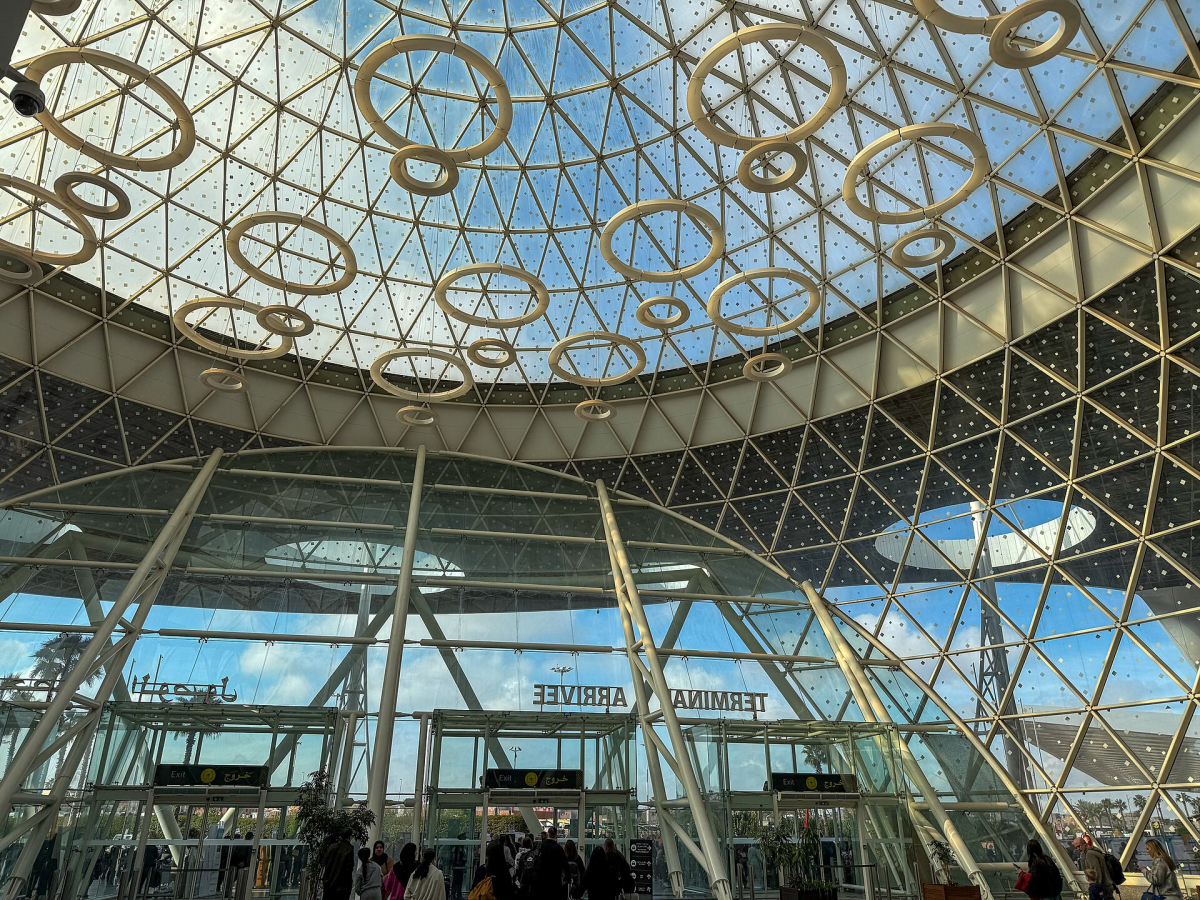
Check entry requirements for your passport and circumstances
Morocco entry requirements depend on your nationality, passport type, country of residence, purpose of travel and, in some cases, another visa or residence document you hold. The correct starting point is the official Accès Maroc portal, followed by the Moroccan consulate responsible for your place of residence when you need clarification. A friend's visa-free trip or a residence card issued by a European country does not establish the rule for your passport.
Check before committing to non-refundable flights or accommodation. Then check again before departure, particularly if you renew a passport, change nationality documents, move country or alter the purpose of your stay. An airline's document check and a border admission decision are separate stages. Having a ticket or an accommodation booking does not resolve an outstanding visa requirement. Keep enough time to correct an application rather than treating a published processing target as a guaranteed deadline.
This guide explains how to organise the check rather than publishing a blanket exemption list that could mislead a traveller with different documents. The Moroccan National Tourist Office formalities page gives general entry context. Identify whether your plans involve tourism, business, study, work, transit or another purpose, then confirm the applicable category directly with the competent Moroccan consulate. If more than one description appears relevant, resolve that question before applying or buying non-refundable arrangements.
Use the official eligibility checker carefully
The official Accès Maroc eVisa user guide explains that the initial check uses nationality, passport type, residence, any additional visa, travel purpose and date of birth. Depending on the answers, the outcome can indicate no visa formality, a consular application, an electronic travel authorisation or an eVisa route. These are different outcomes, so begin with the eligibility check rather than selecting the most convenient-looking application button.
Enter the details exactly as they appear on the documents you will travel with. If you have two nationalities, decide which passport you will use and check that specific case. A visa issued against one passport should not be assumed usable with another. If a supporting residence card or visa is relevant, inspect its expiry, status and type; do not substitute a document that merely looks similar to the requested one.
Save the result and read the current instructions in the application itself. If the form does not describe your document accurately, stop and seek clarification instead of choosing an approximate answer to continue. For a family group, check each traveller separately: nationality, passport, age and supporting documents may differ even when everyone is on the same booking. Keep a simple checklist with a separate row for each person.
Understand the different permission pathways
On smaller screens, scroll the comparison table sideways.
| Checker outcome | Next step | Avoid assuming |
|---|---|---|
| No visa required for your case | Confirm passport, permitted stay and entry evidence | That exemption removes all border conditions |
| eVisa route | Read current eligibility and submit through the official portal | That all nationalities or supporting documents qualify |
| AEVM route | Follow the authorisation procedure identified by the portal | That an authorisation and a visa are interchangeable |
| Consular application | Contact the competent Moroccan mission and follow its checklist | That an online commercial service replaces the consulate |
| Unclear or unusual documents | Obtain case-specific guidance before booking travel | That choosing the nearest form option is safe |
On a small screen, scroll the table horizontally to see every column.
An eVisa is an individual permission with its own validity and permitted stay. The official eVisa general conditions describe a single-entry permission with a maximum validity of 180 days from issue and a stay not exceeding 30 days. Check the current conditions and the dates printed on your issued document. The period in which you may enter is different from the number of days you may remain.
Do not apply a general tourist-stay figure to an eVisa, a different visa category or an individual border stamp. The permission actually issued to you controls your situation. An eVisa application submitted, paid for or awaiting completion is not an approved eVisa. Track the file through the official system and resolve requests for additional material. Avoid making a second application merely because you have not yet received a reply unless official guidance tells you to do so.
Prepare the passport and supporting file
Read passport validity requirements for your specific route through the official portal or consulate. Different guidance may describe different visa categories or applicant circumstances, so do not turn one published minimum into a universal rule. If your document is close to expiry, damaged, contains inconsistent details or has limited blank pages, resolve the issue before departure. Allow for the effect of a new passport on any permission already issued.
Prepare clear copies and organise the documents in the order requested. Depending on the application and border checks, relevant evidence can include an accommodation booking or host information, return or onward travel, financial means, travel insurance and the supporting residence permit or visa used to establish eligibility. Follow your current official checklist rather than treating this list as a complete requirement for every nationality. The official eVisa conditions contain the specific evidence expected for that pathway.
Keep digital copies securely available offline and carry printed documents where the instructions require them. Your first-night address should be understandable without searching through an email inbox. Ensure names, dates and passport numbers match across the booking and permission. If an itinerary changes after approval, review the consequences with the issuing authority rather than assuming every change is immaterial.
Tourism, remote work and longer stays are different questions
A month-long accommodation booking is not itself immigration permission, and a low monthly travel budget does not establish a right to live or work in Morocco. If you plan to undertake paid activity, study, join family or remain beyond the period authorised, ask the competent authority about the correct category before travelling. Do not assume a tourist or business permission covers all activities performed on a laptop or all forms of local work.
The official eVisa conditions identify tourism and business as its purposes and state that an eVisa holder cannot use it to apply for residency. Anyone considering a longer stay should review the relevant consular pathway rather than relying on repeated short entries. An extension should never be treated as automatic or budgeted as a guaranteed part of an itinerary. Plan departure within the permission you actually hold unless an authority has approved a different arrangement.
Use the longer stays and costs guide for accommodation and monthly spending choices only after the entry and activity questions are settled. For an ordinary short visit, the Morocco itineraries can help you design a realistic route within your authorised dates. Keep the departure day visible in the plan, including the time needed to reach the airport.
At the border and before leaving
Have your passport and relevant permission ready for the journey, together with the evidence requested for your case. Answer questions consistently with the purpose declared in the application. An issued visa does not remove the possibility of border checks. If something on a stamp or document is unclear, seek clarification promptly rather than waiting until the final day. Record your permitted departure date somewhere you will notice it during the trip.
For an onward journey, check the destination country's entry requirements as well as Morocco's exit and transit arrangements. A connection through another country can create its own visa or transit requirement, especially when separate tickets, checked bags or an airport change are involved. Ask the airline and relevant authorities about that route rather than assuming a short connection avoids all formalities.
If a passport is lost or stolen, contact your own country's consular service and the appropriate Moroccan authority for the steps required in your circumstances. Replacing a passport and resolving any immigration record issue are separate tasks. The useful contacts guide helps you identify the right organisation; keep its key information available without relying on a working phone connection.
Morocco visa and entry FAQ
Do all US and European residents follow the same entry rules?
No. Residence and nationality are different facts. Check the passport, residence document, purpose and other details requested by the official eligibility system for each traveller.
Are an eVisa and an AEVM the same document?
No. Follow the pathway identified by Accès Maroc for your circumstances. Do not choose a different application simply because it appears faster or easier.
Does an eVisa validity of 180 days allow a 180-day stay?
No. Entry validity and allowed stay are different. The official general conditions describe a maximum 30-day stay for that eVisa pathway; inspect the permission actually issued to you.
Can I book flights while my application is pending?
You can compare travel plans, but a pending application is not approval. Consider the financial consequences of non-refundable bookings and allow time for requests for additional documents.
Where should I check an unusual passport or longer-stay case?
Contact the Moroccan consulate responsible for your residence and use the official foreign ministry and Accès Maroc resources. A general travel article cannot settle an individual immigration decision.

