
Things to Do in Morocco: Experiences, Walks & National Parks
The most rewarding things to do in Morocco depend on how you want to spend your days: learning a craft, walking through mountain villages, cooking with a host, or listening to music after the heat has passed. Pick a few experiences that need advance planning and leave room around them. A long list of sights is less useful than knowing which activity fits your time, energy and route.
Choose experiences that fit your trip
Use the Morocco map and regions guide to choose a geographical area first. This page then helps you decide what to do there. A short break centred on Marrakech can combine architecture, food and an Atlas foothill outing; it cannot comfortably include every imperial city and a distant Sahara camp. For day-by-day combinations, see the Morocco itineraries.
| Experience | Best suited to | Allow for | Check before booking |
|---|---|---|---|
| Guided medina walk | Architecture and craft context | A half day, with breaks | Walking pace, shopping stops and actual entry inclusions |
| Cooking workshop | Food curiosity and a slower day | Several hours including the meal | Dietary needs, kitchen access and class size |
| Mountain walking | Outdoor travellers | A day or multiple nights | Weather, guide, route grade and equipment |
| Desert overnight | Travellers with spare transfer days | A multi-day route | Camp location, transport and animal welfare |
| Surf lesson | Active coastal stays | A half day including fitting and instruction | Ability group, conditions and supervision |
On a small screen, scroll the table horizontally to see every column.
On smaller screens, scroll the comparison sideways if needed. These allowances include time to absorb a place, rather than simply recording arrival and departure. Avoid booking a physically demanding experience immediately after a late flight or a long road transfer.
Walk a medina with a purpose
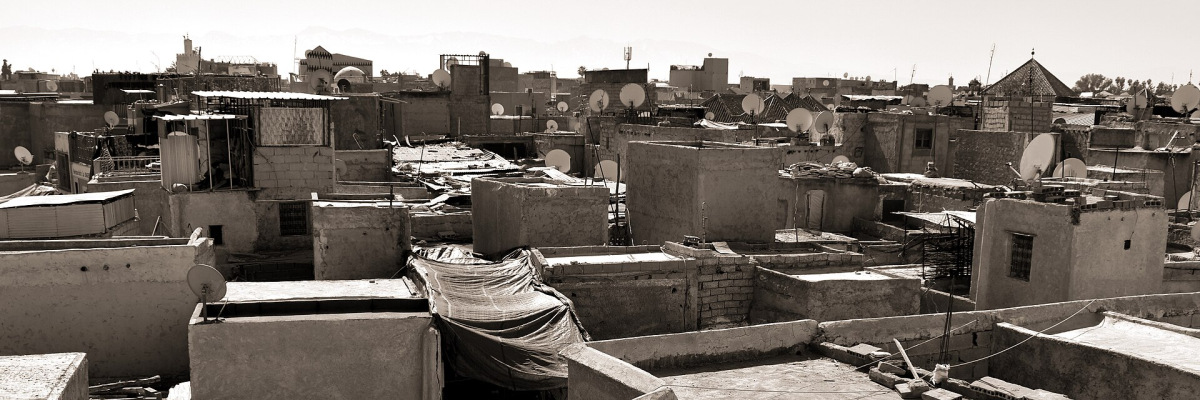
Choose a theme for a guided walk: carved wood and plaster, merchant architecture, textile production or the relationship between markets and neighbourhood life. In Fez, this approach makes the density of the medina more understandable than trying to tick off every lane. UNESCO's Fez record explains the city's architectural importance; a guide can connect that background to the buildings and working streets you actually encounter.
Ask whether a walk includes commission-based shop visits. Shopping is enjoyable when it is a choice, but it should not consume a tour sold as history. Agree the finishing point and walking pace beforehand, particularly with children or anyone who struggles with steps. Never assume that a religious building admits non-Muslim visitors. A guide standing outside an entrance is not a substitute for the institution's own access rules.
A short craft workshop can offer a different kind of engagement. Ask what you will make, whether materials and firing or finishing are included, and how you will transport the result. Photographing a working artisan is a separate permission from entering a shop. Pay for commissioned work fairly and distinguish handmade local production from imported souvenirs without demanding a performance of authenticity from every seller.
Cook, taste and slow down
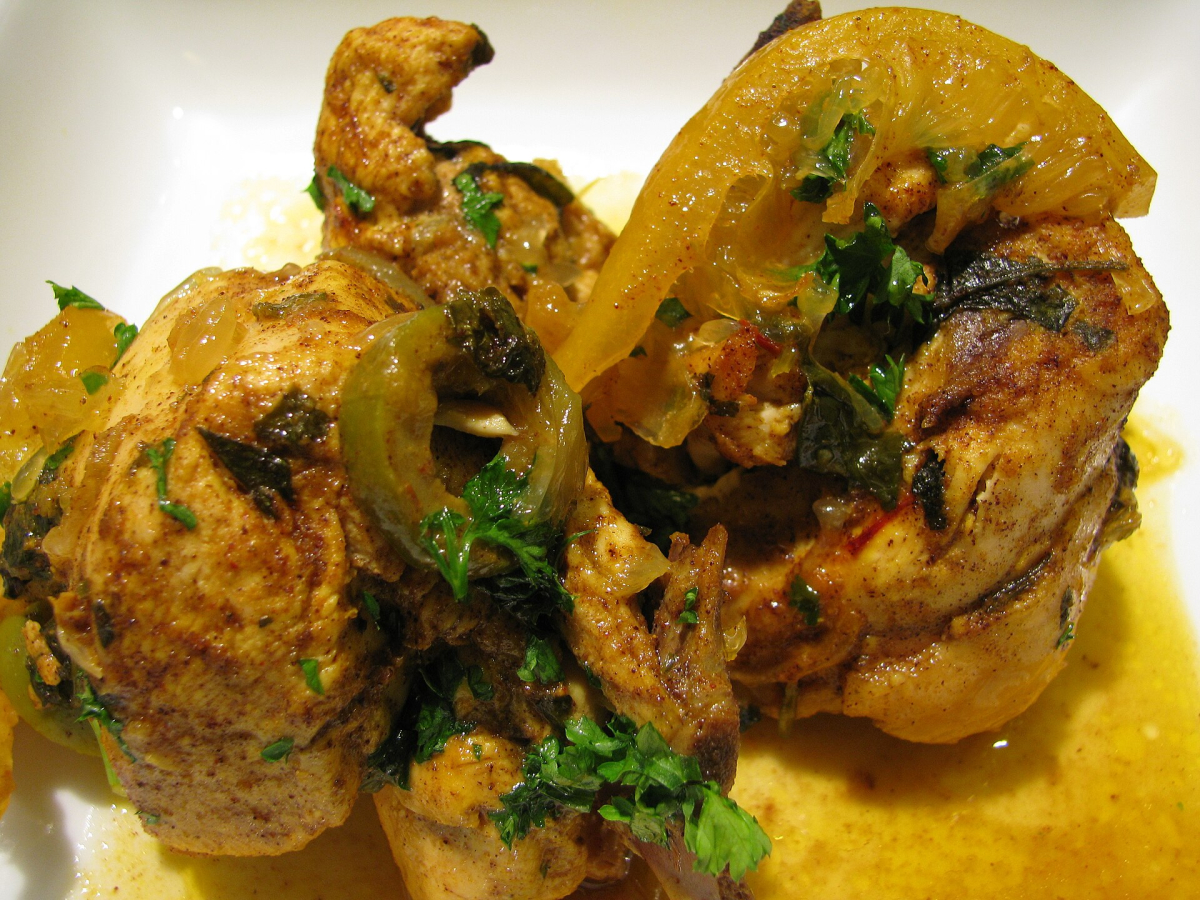
A cooking class is most useful when it teaches a technique you can repeat, such as balancing preserved lemon, preparing a vegetable salad or building flavour in a slow-cooked dish. A market visit may be part of the lesson, but confirm rather than assuming it is included. Tell the organiser about allergies before paying, and ask whether you prepare food yourself or mainly watch a demonstration. The food and restaurant guide explains dishes and practical ordering.
A hammam also deserves advance questions. A neighbourhood bathhouse and a hotel spa can differ in privacy, changing arrangements, products, treatment style and language support. Ask what clothing is expected, whether a scrub is included, and how gender-specific sessions work. If heat or a vigorous treatment is unsuitable for your health, get appropriate medical advice and choose another experience. Neither a high price nor a beautiful photograph tells you whether the format will feel comfortable.
Walking and national parks
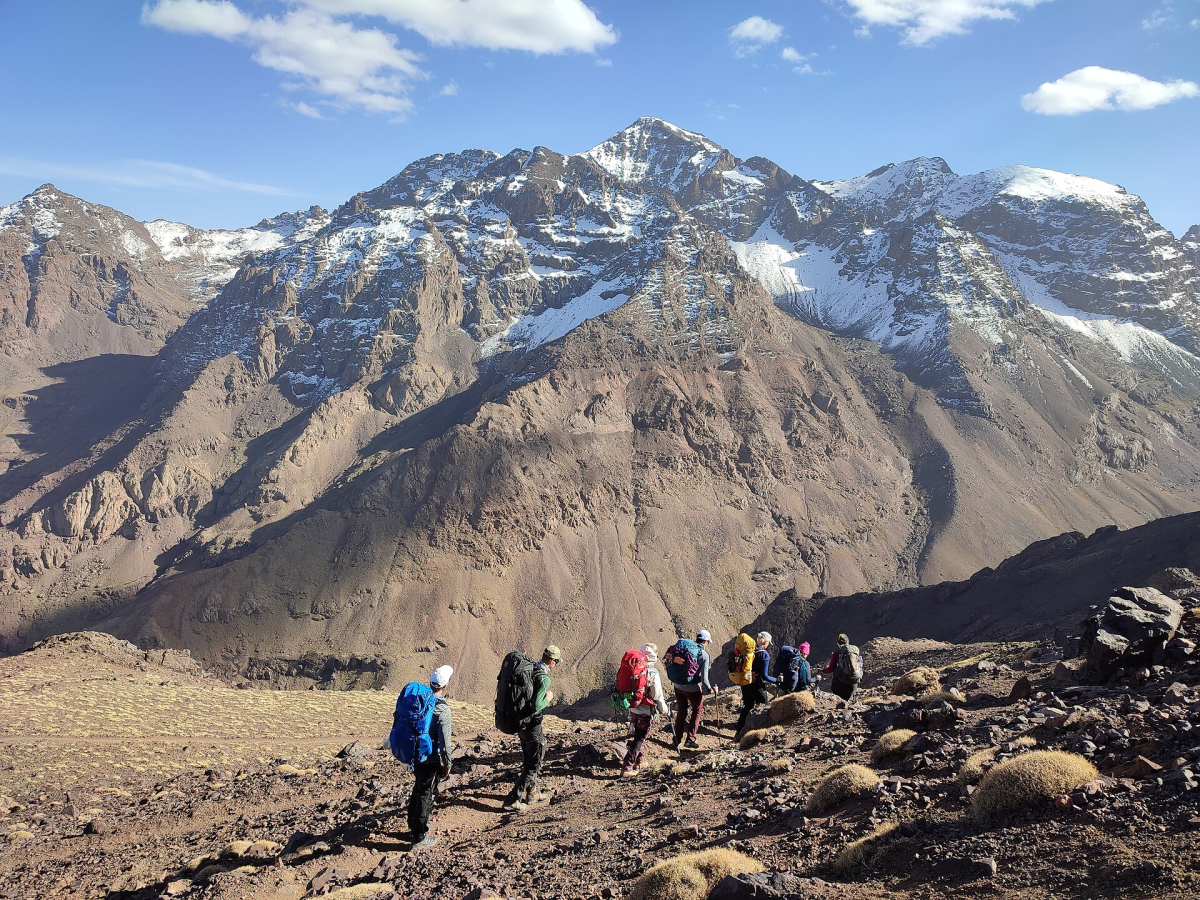
Morocco's mountain walking ranges from a gentle village outing to a serious high-altitude undertaking. The tourist office's official trekking overview introduces Toubkal, Ifrane and Talassemtane among the country's outdoor areas. Treat this as a starting point for choosing a region. Marketing descriptions do not establish today's trail access, snow conditions, guide requirements or rescue arrangements.
Toubkal and the High Atlas
The Imlil area can suit travellers seeking village walks as well as those preparing a summit itinerary. Those are different products. Ask for the actual route, ascent, accommodation altitude, group size and turnaround policy. A summit package should address acclimatisation, weather decisions and equipment; a short holiday schedule is not a reason to continue when conditions are unsuitable. In winter or lingering snow, ordinary walking shoes and enthusiasm do not replace appropriate skills and equipment.
Confirm current local guide and identification requirements with an authorised local operator before travelling. Ask how guides are paid, whether porters are properly equipped and what happens if one participant needs to descend. Check that your insurance covers the planned altitude and activity. Visitors seeking a lighter outing should request a route with a defined distance and descent, rather than accepting the vague promise of an easy walk.
Ifrane and the Middle Atlas
The Middle Atlas is a useful choice when your route already passes through Fez or Meknes and you want forest and upland landscapes without adding a High Atlas detour. Arrange a walk that follows an established route rather than a roadside wildlife stop. Keep food away from macaques, do not feed or approach them, and leave space for animals to move. A driver offering a photo stop is not necessarily qualified to lead a longer hike.
Talassemtane and the Rif
Near Chefchaouen, the Rif offers walking that fits a northern itinerary. Choose a route by terrain and season, not by whether a waterfall looks attractive online. Rain can make paths slippery and alter water crossings; summer heat can make an exposed approach more demanding. Check the return route and latest access advice locally. Carry your own drinking water, keep to paths and bring waste back even where bins are absent.
Desert nights and coastal activities
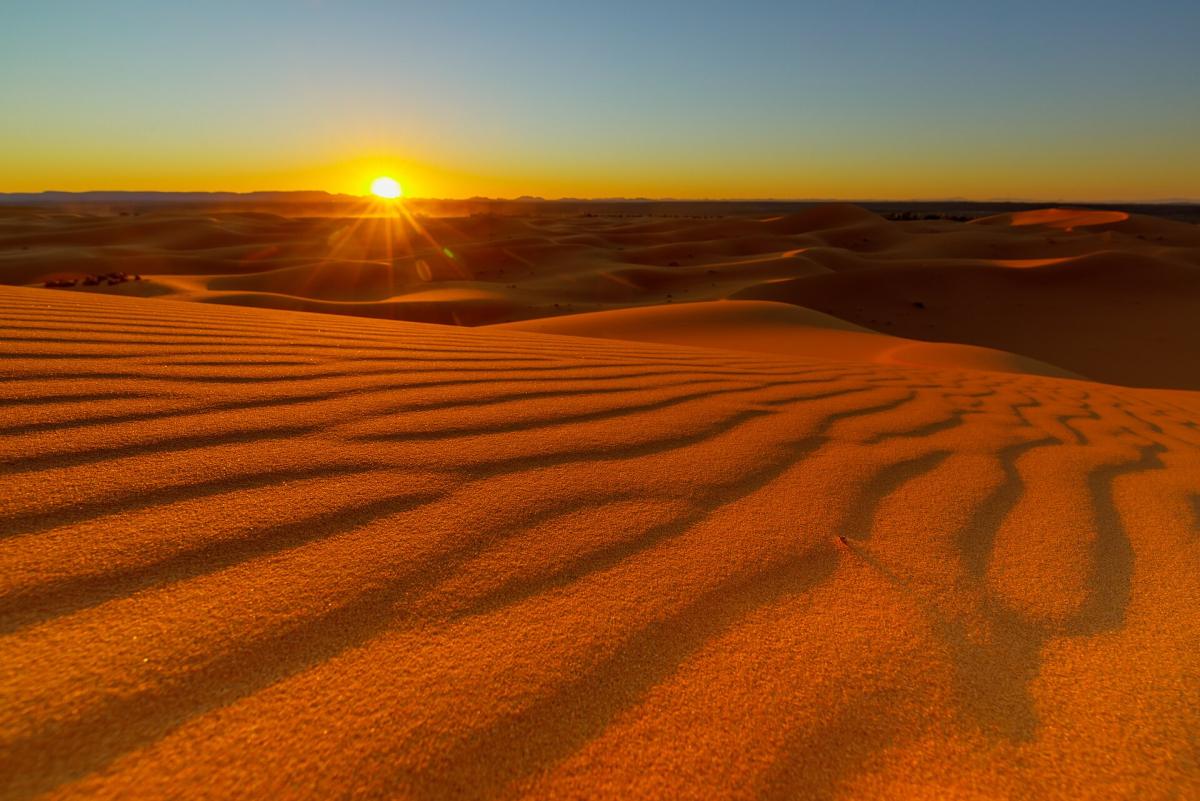
A Sahara overnight works best as part of a route with enough time on both sides. Ask exactly where the camp is, how far the road transfer runs, whether the last stage uses a vehicle or camel, and which meals and facilities are included. Do not confuse a nearby rocky-desert outing with a journey to the distant dunes around Merzouga. Both may be enjoyable, but they deliver different landscapes and travel commitments.
At the coast, choose a surf school by supervision and ability matching. Beginners need an appropriate lesson beach that day, rather than access to a celebrated advanced break. Ask about the instructor-to-student ratio, equipment, insurance and alternatives if conditions are unsuitable. For a quieter day, a coastal walk and a long lunch can be more satisfying than stacking several motorised activities into the same afternoon. See Morocco beaches for base selection.
Book with clear inclusions
Before paying, obtain a written description of transport, group size, meals, entry fees, equipment and cancellation terms. Check who operates the activity rather than relying only on the booking platform's name. Ask how a weather cancellation is handled and whether an advertised pickup reaches your riad door or a nearby vehicle access point. Keep the operator's local contact available offline, along with your accommodation address.
Things to do in Morocco: frequently asked questions
Which experiences should I book before arriving?
Reserve activities with limited capacity or specialist staffing, such as a particular workshop, a guided mountain trip or a timed attraction. Leave flexible time for markets, neighbourhood walks and weather-dependent coastal plans.
Can beginners hike in Morocco?
Yes, if the route matches their fitness and conditions. Request a defined beginner walk with suitable guidance. Do not treat a summit ascent as equivalent to a village stroll simply because both begin in the same area.
Is a desert trip possible on a short Marrakech break?
A nearby desert-style outing may fit; distant Sahara dunes require a larger transfer commitment. Check the precise destination and driving schedule before deciding whether the experience justifies the time away from your base.
Should I choose a private or group experience?
A private format can adjust pace and interests, while a group may reduce the per-person cost. Compare the actual inclusions, guide quality and group size; the label alone does not establish value.



