
MOROCCO GUIDE
Morocco Travel Essentials & Fast Facts
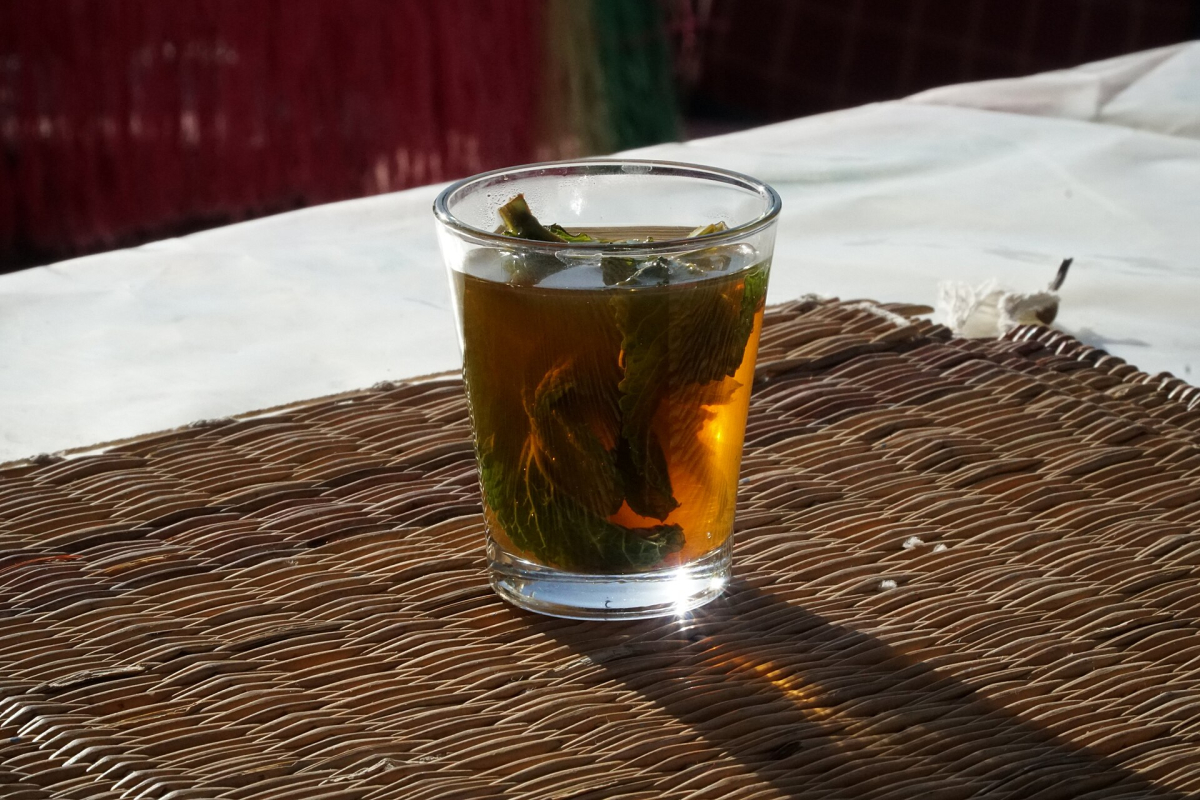
Preparing for Morocco is easier when you separate everyday essentials from decisions that depend on your nationality or activity. This page covers the practical background: language, time, money habits, connectivity, packing and respectful travel. Use the dedicated visa and entry guide for border requirements and health and safety for precautions linked to your route.
Morocco fast facts for travellers
On a small screen, scroll the table horizontally to see every column.
| Topic | What to know |
|---|---|
| Capital | Rabat |
| Currency | Moroccan dirham, abbreviated MAD |
| Official languages | Arabic and Amazigh; French is widely useful |
| International telephone code | +212 |
| Driving | On the right |
| Coasts | Atlantic Ocean and Mediterranean Sea |
| Clock changes | Do not assume a fixed offset throughout the year; check your travel dates |
| Everyday payments | Keep a practical supply of dirhams for smaller purchases alongside cards |
Language and useful communication
Arabic and Amazigh are Morocco's official languages. Darija is the Moroccan Arabic you will hear in everyday conversation, while French is widely useful in travel settings. Spanish can also be useful in parts of the north. English availability varies between a large hotel, a small workshop and a rural transport stop. The tourist office's language introduction is a useful starting point, but a few translated phrases do not replace clear arrangements.
Save accommodation addresses in a form a local driver can use. For allergies, accessibility needs or medication, prepare a short, accurate translation before travelling and ask the person assisting you to confirm that they understand. Keep important information available offline. A calm written message about a meeting point, time and price is often more reliable than a long conversation in a language neither person speaks comfortably.
Time, holidays and Ramadan
Morocco's clock arrangements include a Ramadan-related change, so check the local time for the actual date rather than relying on a printed guide's permanent GMT label. Reconfirm early transfers and onward departures after any change. Let your phone update automatically where possible, but keep the operator's local departure time written down too.
Ramadan changes the rhythm of the day. Opening hours, meal service and traffic around sunset can differ from the rest of the year. Ask your accommodation what will be available near your address, plan food and water needs discreetly and follow local guidance on respectful behaviour. Religious festival dates can depend on official announcements; do not assume an overseas calendar fixes the local schedule. The official useful information page provides calendar and practical background.
Money, documents and small purchases
Carry a manageable mix of cash and payment cards, with a backup kept separately. Small notes are helpful for modest purchases and agreed services. Check the currency shown on a payment terminal and understand your own bank's fees. Keep exchange receipts where relevant to changing leftover dirhams before departure. Current rules and budget examples belong in the travel costs and money guide.
Keep passport details and insurance information accessible without carrying every original document on every outing. Follow local requirements if asked for identification and store originals securely when they are not needed. Send your arrival plan to the people who genuinely need it, such as a host arranging a transfer, rather than posting documents into public messages. Know how to contact your consulate if an original passport is lost.
Phones, internet and power
Before buying a SIM or eSIM, check that your phone is unlocked, supports the product and can make the kind of calls you need. Some eSIM plans provide data only. That can support maps and messages but may not provide a local voice number for a hotel, operator or emergency call. Check the provider's coverage for your actual route, especially beyond the main cities, and keep an alternative means of contacting assistance.
Use a reputable point of sale and ask what identification and activation steps are required. Download tickets, maps and accommodation contacts before a long transfer. Public Wi-Fi should not be your only access to a boarding pass or booking confirmation. For charging, verify your device's voltage label and bring a suitable adapter for the sockets your accommodation uses; an adapter changes the plug shape, not the electrical requirements of an appliance.
Packing for the route you booked
Pack for the destinations and season rather than an image of Morocco as uniformly hot. Comfortable shoes with useful grip matter in uneven medina streets; a layer for cool evenings can matter even when afternoons are warm. Mountain and desert overnights need a specific equipment conversation with the operator. For coast days, prepare for wind as well as sun, and protect cameras or phones from blowing sand.
Modest, practical clothing is useful in towns and rural communities. Swimwear belongs in the appropriate beach or pool setting, and sacred places can have particular access and dress rules. Carry enough essential supplies to manage a delayed transfer without turning your luggage into a burden. Travellers using wheelchairs, pushchairs or walking aids should ask for photographs and measurements of entrances and bathrooms, not just an accessible label.
Everyday etiquette and buying thoughtfully
Greet people before beginning a transaction and ask before photographing them or their work. If someone declines, move on. A shop, courtyard or terrace may be a private space even when it appears in many travel photographs. Agree any charge for a service or posed photograph in advance and avoid treating a brief conversation as consent to publish a person's image.
When bargaining is appropriate, keep it polite and stop if you are no longer interested. Ask what a product is made from, who made it and whether the seller can explain the work. Verify shipping, customs and refund conditions before paying for a large item. Do not buy wildlife products or remove archaeological material. A low price is a poor bargain if the item cannot legally travel home with you.
Responsible travel in Morocco
Stay longer in fewer places where that suits your interests. It reduces the pressure to drive long distances and creates time to use local restaurants, workshops and guides beyond one hurried stop. Choose accommodation and excursions that can explain how they employ people locally, handle waste and use water. Specific answers are more useful than an unverified eco label.
Water is an important consideration in dry landscapes. Reuse towels when practical, report leaks and avoid assuming that a large pool or daily linen change has no local cost. Take litter away from beaches, picnic stops and walking routes. Ask operators where rubbish and wastewater go, especially at remote camps, rather than accepting a scenic location as evidence of good environmental practice.
For animal experiences, assess treatment before participating. Avoid posed wildlife encounters, handling wild animals and activities where an animal appears distressed or injured. For a camel excursion, ask about the animals' condition, rest and workload, and be prepared to choose a different way to experience the landscape. Do not feed or approach stray animals; health precautions are explained in the safety guide.
Respect residential life in historic quarters: keep voices down outside homes, avoid blocking narrow paths and ask before entering workshops or photographing children. Use a licensed local guide when the visit benefits from interpretation. In mountain communities, confirm current access and be sensitive to recovery and rebuilding where relevant. Paying for a useful local service is more constructive than treating a community as a free backdrop.
Morocco travel essentials FAQ
Can I rely on English everywhere?
No. It is useful in many tourism settings, but availability varies. Save addresses and important needs in a clear written form and download translation tools before travelling.
Does a data eSIM provide ordinary phone calls?
Not always. Check the exact plan. Keep a way to make the calls your accommodation, transport provider or an emergency may require.
Is Morocco always warm?
No. Conditions differ substantially between coast, inland cities, mountains and desert nights. Check the weather for each overnight location and your activity.
How can I make a more responsible visit?
Choose fewer bases, ask practical questions about local employment, water and waste, respect consent for photographs and avoid exploitative animal encounters.

