
MOROCCO GUIDE
Best Time to Visit Morocco: Weather by Region and Season
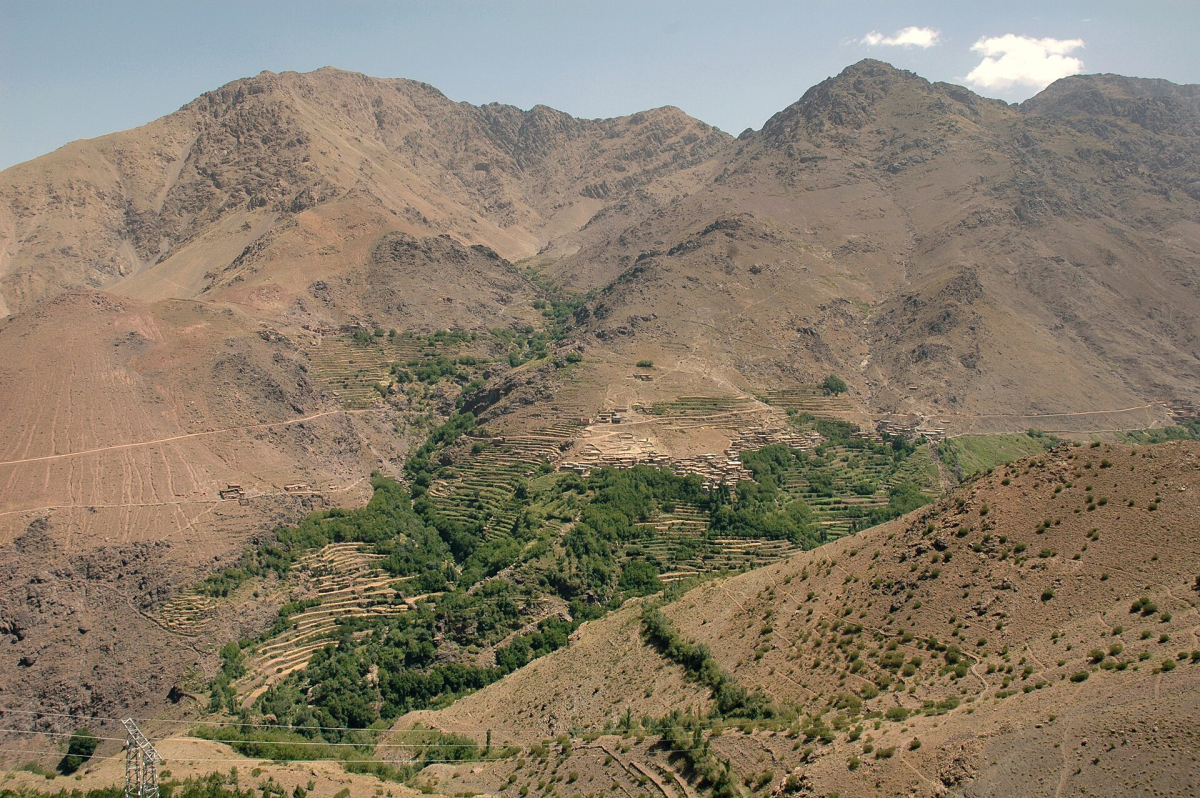
The best time to visit Morocco depends on the journey you want to make. Spring and autumn are sensible starting points for a first trip combining historic cities with the desert, while a summer holiday can work better along the coast. Winter needs a different approach: an enjoyable sunny afternoon does not tell you how cold a courtyard bedroom, mountain road or desert camp will feel after dark. Choose your main experience first, then match the region, accommodation and transport to the season.
This guide combines weather and travel timing because they answer the same practical question: when will your intended route work comfortably? Use the Morocco regions guide to understand the distances, then compare the suggested itineraries. Seasonal guidance describes broad patterns; it is not a forecast, a promise of open roads or a guarantee of swimming conditions.
Choose your season by the trip you want
The Moroccan National Tourist Office’s climate overview distinguishes the Atlantic and Mediterranean coasts, the inland landscape and the mountain ranges, and recommends spring and autumn for the Sahara. Those differences matter more than a single countrywide temperature figure. A route that crosses several regions needs clothing and spare time for each one.
For a balanced introduction, start by comparing April–May with October rather than looking for one universally perfect month. This is an editorial planning suggestion, not a measured ranking. Your own tolerance for heat, rain and cold nights may change the answer. If the beach is the purpose of the holiday, compare specific coastal locations instead of choosing dates around conditions in Marrakech.
On a small screen, scroll the table horizontally to see every column.
| Travel goal | Starting window | What to check |
|---|---|---|
| Cities and desert together | Spring or autumn | Heat, overnight camp comfort and road conditions |
| Atlantic coastal holiday | Summer or early autumn | Wind, sea conditions and your exact beach location |
| Mountain walking | Choose by altitude and route | Snow, thunderstorms, guide advice and access |
| Experienced surfing | Often autumn through spring | Daily swell, wind and appropriate breaks |
| Winter city break | Winter can suit flexible plans | Bedroom heating, rain alternatives and daylight |
Spring: a practical compromise for mixed routes
Spring is worth considering when you want several kinds of Morocco in one trip. Put walking through medinas earlier in the day and keep the itinerary flexible enough to move a museum or indoor craft visit into a wet period. Carry a light waterproof layer even when the departure forecast looks sunny. The north and higher ground should not inherit the packing list for a southern coastal resort.
For desert travel, ask the organiser about the actual overnight location, vehicle access and bedding rather than accepting “luxury camp” as a complete description. A clear explanation of the transfer, bathroom arrangements and cold-weather provision is more useful than a dramatic photograph. Spring also does not automatically mean a high mountain trail is free of winter conditions. Confirm the intended route with a qualified local provider shortly before departure.
Summer: build the route around heat and the coast
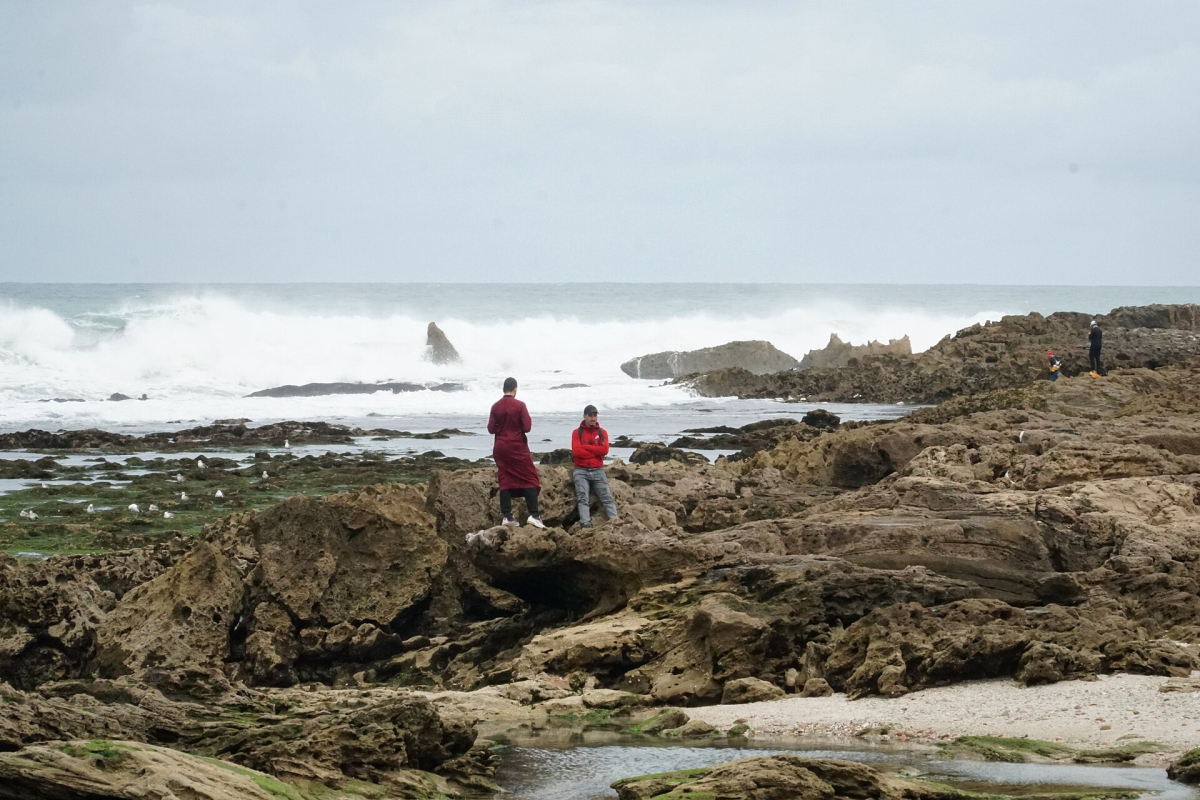
If July or August is your only travel window, reduce the amount of exposed sightseeing you expect to fit into the middle of each day. Choose a room with explicitly confirmed cooling, arrange earlier starts and allow genuine rest periods. A swimming pool or a shaded courtyard is useful only if its access and opening arrangements suit your stay. Families should make these checks before committing to a long sequence of inland stops.
Along the coast, distinguish sunshine from comfortable swimming. Wind and Atlantic water conditions can change the experience even on a bright day. Read the Morocco beaches guide for access and activity choices. A surf beach, a sheltered family swim and a breezy promenade are different holiday products. Ask a local school to choose a lesson site for your ability; a famous break is not automatically suitable for a beginner.
Do not select a strenuous desert excursion simply because it fits an available day. Ask the operator how activities change during high heat and what happens if conditions become unsuitable. A route with fewer transfers and more shaded downtime may be the better use of a summer week.
Autumn: compare early heat with later flexibility
Autumn can work well for a combination of cities, valleys and desert. Avoid assuming that the first day of September marks the end of summer heat everywhere. Keep the same questions about cooling, walking hours and water access until the forecast for your actual places supports a different plan. Later in the season, add warmer layers and a rain alternative rather than extending summer packing unchanged.
For photography, leave room to revisit a location when the light or weather improves instead of tying every stop to a single short viewing window. The photo spots guide helps separate an accessible viewpoint from a long detour. A slower route also makes it easier to respond to a forecast without cancelling the main purpose of the journey.
Winter: sunny breaks need warm accommodation
Winter trips reward careful room selection. Ask whether heating is in the bedroom itself, whether it operates overnight and whether extra bedding is provided. A terrace in sunshine and a shaded interior may feel very different. Confirm hot-water arrangements too, especially when several people expect showers before an early departure. These questions matter more than a property’s general description as traditional or atmospheric.
For an overnight desert visit, ask what the camp supplies and what you must bring. Pack a warm outer layer for time outside after sunset. Build spare time into journeys crossing mountain terrain and avoid placing a difficult road transfer immediately before an inflexible flight. Snow conditions and route access are operational questions to recheck locally; a seasonal description cannot establish whether a particular crossing is usable that day.
Mountain, sea and severe-weather decisions
Review the ADM weather vigilance map before an exposed journey, alongside a route-specific forecast and advice from your guide or operator. Weather alerts serve a different purpose from a holiday climate chart. If your route crosses several provinces, check the whole route rather than only the city where you slept. Ask your driver or guide how an alert affects the actual plan, including the return journey.
For surfing, the national tourism office’s ocean and wave publication identifies October–April as an important period for experienced surfers while noting year-round beginner opportunities with appropriate guidance. That is seasonal context, not permission to enter any break. Match each session to daily conditions, instruction and your ability.
Keep an indoor alternative available: a museum visit, a longer lunch, a workshop or a shorter neighbourhood walk. Check the provider’s cancellation terms before paying for weather-dependent activities. If a flexible plan costs a little more, compare that with the cost of missing a tightly linked transfer.
Holidays, packing and booking priorities
Weather is only one part of timing. Religious holidays and major events can affect service patterns, transport demand and the rooms available for your dates. Use the festivals and events guide for confirmed programmes, and ask accommodation providers about meals and arrival arrangements during Ramadan. Do not treat a projected lunar date as a final local announcement.
Pack around layers: comfortable walking clothes, sun protection, a warm layer and a weather-resistant outer layer appropriate to your route. Add activity equipment only after checking what the operator supplies. For mountain walking, agree the footwear and equipment requirements with the guide; casual city shoes do not become suitable because the trip is marketed as a day excursion.
Best time to visit Morocco: frequently asked questions
Which season suits a first trip with cities and the Sahara?
Spring and autumn are useful starting points. Choose the exact dates around your route, heat tolerance and overnight arrangements, then check forecasts and access closer to departure.
Is summer a poor choice for every part of Morocco?
No. A coastal holiday has different requirements from a busy inland sightseeing circuit. Adjust the route, confirm cooling and choose activities around daily conditions.
Can I rely on warm winter evenings?
No. Plan for colder evenings and confirm bedroom heating and desert-camp bedding. A warm daytime photograph does not describe overnight comfort.
Does good beach weather mean safe swimming?
No. Sea conditions, wind and local supervision require their own checks. Choose the beach for the activity you intend and follow local guidance.
When should I check the forecast?
Check during the final planning period and again before travel days or exposed activities. Use official alerts as well as the forecast for every region you will cross.


