
MOROCCO GUIDE
Morocco Restaurants & Food: Where and What to Eat
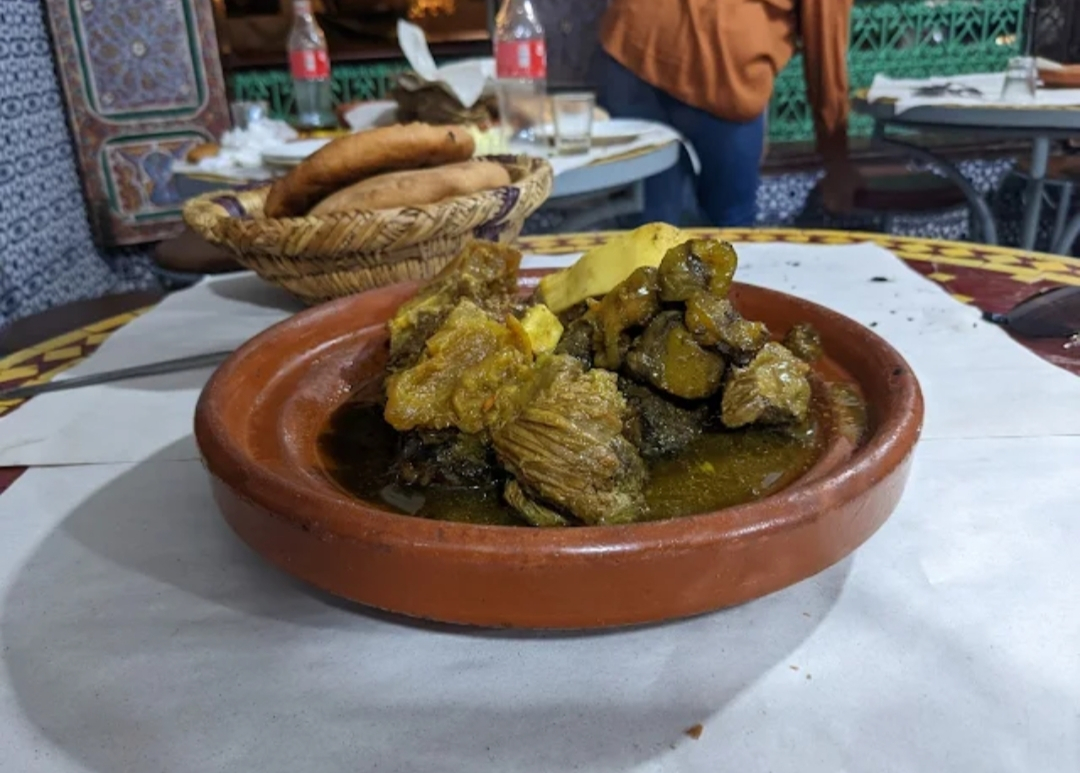
Eating well in Morocco starts with choosing the right kind of meal. A quick lunch near a market, a long riad dinner and a contemporary restaurant offer different experiences and different costs. Learn a few dishes, ask clear questions about ingredients and make room for regional cooking. This guide combines what to eat with how to choose a restaurant, so you can plan a meal rather than follow an undifferentiated list.
Choose a restaurant for the occasion
For an everyday lunch, look for a place serving a manageable menu to a steady flow of diners. For an occasion meal, compare the setting, menu format and reservation conditions. A terrace view may justify paying more, but it does not establish the quality of the cooking. Check whether the advertised price is for a complete menu or a single course, and whether drinks, service or entertainment add to the bill.
On a small screen, scroll the table horizontally to see every column.
| Format | Useful for | Ask before ordering |
|---|---|---|
| Neighbourhood café or casual restaurant | A flexible breakfast or lunch | What is freshly prepared and which items are available today? |
| Riad dinner | A relaxed evening near your room | How far ahead must dinner be ordered, and can dietary needs be accommodated? |
| Fish restaurant | A coastal meal | Is the quoted price per portion, fish or weight, and are sides included? |
| Tasting or set menu | A longer occasion meal | How many courses, what drinks and what cancellation terms? |
| Cooking class | Learning techniques as well as eating | Will you cook, and are ingredients, transport and the meal included? |
This is a way to compare formats, not a promise that every establishment within a category follows the same practices. For daily spending assumptions, see Morocco travel costs and money.
Moroccan dishes to recognise
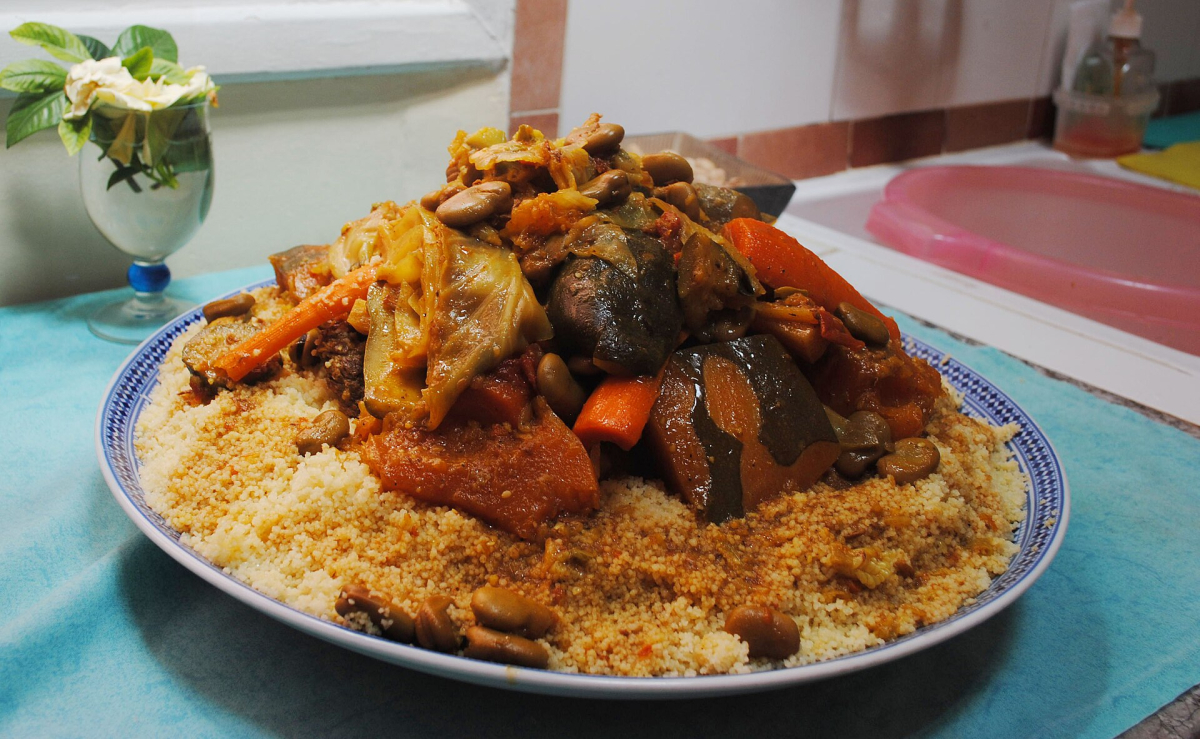
The Moroccan tourist office's gastronomy overview introduces a cuisine shaped by several cultural traditions. Treat that diversity as a reason to vary your orders. If every meal becomes the same familiar chicken tagine, you can miss the difference between a home-style lunch, a regional speciality and a pastry shop.
Tagine and tanjia
A tagine is associated with both a cooking vessel and the dishes prepared in it. The name alone does not identify the protein, vegetables, sweetness or portion size. Ask what is in the day's version and whether it is cooked to order or prepared in advance. In Marrakech, tanjia is a different slow-cooked speciality associated with an earthenware vessel; do not assume it is simply another spelling of tagine.
Couscous, pastilla and harira
Couscous can form a substantial shared meal rather than a small side dish. UNESCO's joint couscous inscription places its preparation and shared consumption within a wider North African heritage. Pastilla often combines pastry with a savoury filling and sweet elements; harira is a substantial soup whose exact ingredients vary. Ask instead of treating any dish name as an allergen guarantee.
Vegetable salads, bread and pastries
Cooked vegetable dishes can make a varied meal, especially when you combine several rather than relying on one main course. Ask about the preparation of zaalouk or taktouka, and whether a selection is served cold, warm or at room temperature. Bread commonly accompanies the table. Pastries may contain nuts, dairy, eggs or honey; a small size does not mean a simple ingredient list.
Where to eat: restaurant examples by city
Use these four restaurants as starting points for different kinds of meal: a Moroccan lunch, a medina café, a coastal table and an occasion dinner. Their own websites identify the locations and meal formats. Confirm the menu, dietary arrangements and reservation terms for your date; this selection does not represent a ranking of every restaurant in Morocco.
Amal Gueliz, Marrakech: a Moroccan lunch
Amal's Gueliz restaurant combines a seasonal Moroccan lunch menu with hands-on hospitality training. Choose it for a daytime meal in Gueliz, and book ahead if Friday couscous is your priority. The Gueliz restaurant and Amal's Targa cooking-class venue are different addresses: select the location that matches your booking. A meal here can fit a visit to the newer part of Marrakech without adding a second medina excursion.
Café Clock, Fez: a medina café stop
Café Clock describes its cooking as modern Moroccan and combines food with cultural activities. Its Fez address is 7 Derb El Magana, Talaa Kbira. Save that exact branch before entering the medina, since the business also has Marrakech and Chefchaouen locations. Choose a straightforward meal or coffee break around your walking route; check any workshop or music booking separately so the food stop does not depend on an unconfirmed event.
Océan Vagabond, Essaouira: a beachside meal
The Essaouira restaurant at Océan Vagabond offers a Mediterranean-influenced menu and a changing seasonal board beside the beach. It suits travellers who want a coastal meal as part of a walk or watersports day. Check the Essaouira restaurant's seating and booking arrangements, and select that branch when contacting the company. Wind, shade and an indoor alternative matter when a particular table setting is the reason for your visit.
Rick's Café, Casablanca: an occasion restaurant
Rick's Café's own menu includes seafood, meat dishes and international bistro-style choices. It is a useful comparison for a reserved occasion meal near the old medina rather than a quick market lunch. Review the actual menu and any dietary request before booking, and ask about the seating you will receive. The nightlife guide discusses its music setting; a dinner reservation and a particular live performance are separate details to confirm.
Vegetarian food, allergies and special diets
Vegetarian travellers should ask about stock, cooking fat and garnishes, not just the absence of visible meat. A vegetable dish may still use meat broth; a salad selection may offer a clearer starting point, but preparation must still be checked. Vegan diners should also ask about butter, dairy and honey. Explain your requirements before a set menu or cooking class is confirmed, since a last-minute substitution can be difficult.
For a serious allergy, communicate the specific ingredient and the need to avoid cross-contact. A translated written explanation can help, but it does not establish that the kitchen can safely accommodate you. Ask who will speak with the cook and whether preparation surfaces and equipment can be separated. If the answers are uncertain, choose another option. Carry any prescribed emergency medication and follow your clinician's advice.
Gluten-free visitors should remember that bread, couscous and pastry are prominent, while soups, sauces and marinades can contain less obvious ingredients. Do not infer suitability from a photograph or from a dish being grilled. Travellers with medical dietary needs should plan reliable options around transfer days rather than leaving every meal to chance.
Drinks and food hygiene
Mint tea is a familiar social offering, often served sweetened. Ask for your preferred sweetness before preparation where possible. For drinking water and ice, choose an option you trust for your health needs, and pay attention to how drinks are handled. No visual inspection can guarantee safety. For individual vaccination, medication and food-related precautions, consult a travel-health professional and the health and safety guide.
Alcohol is not available at every restaurant. If a glass of wine is part of your plan, confirm that the establishment serves it rather than arriving with that expectation. Alcohol laws and cultural context are covered in the nightlife guide. An attractive rooftop may be a tea café, a restaurant or a licensed bar; those are different products even when the view looks similar.
Reservations, etiquette and the bill
Reserve ahead for a specific terrace, a small dining room or an occasion meal, especially during a festival. Ask whether a reservation guarantees the seating area you want. Confirm any deposit, cancellation policy and minimum spend directly. When a restaurant offers live entertainment, establish whether you are booking dinner with background music or a show package, and whether the entertainment charge is compulsory.
During Ramadan and major holidays, confirm opening and meal times close to your visit. Be considerate of local routines and allow extra flexibility around the evening meal. At the table, follow your host's lead when food is shared, and ask before photographing staff or other diners. Request a clear bill and check its currency and inclusions before paying. Tipping is best considered in the context of the service provided and any charge already included.
Morocco food and restaurants: frequently asked questions
Do I need restaurant reservations in Morocco?
Casual meals often allow flexibility, but reserve a particular small restaurant, sought-after terrace or set-menu dinner. Confirm arrangements again if your trip coincides with a festival or holiday.
Is Moroccan food always spicy?
Spice can mean aromatic seasoning rather than chilli heat, and recipes vary. Ask about the particular dish and request chilli sauces separately if you prefer to control the heat.
Can vegetarians eat well?
Yes, with clear questions about broth, cooking fat and hidden ingredients. Combine suitable vegetable dishes and explain requirements in advance for a riad dinner or class.
Is a rooftop restaurant necessarily a bar?
No. Some serve tea and food without alcohol. Check the current menu and service directly so the booking matches the evening you want.


