
User login
Cuba Travel Guide
Welcome to the Cuba Travel Guide — your essential resource for exploring one of the most captivating islands in the Caribbean. Cuba is a land of vintage cars, lively music, white-sand beaches, and soulful hospitality. Whether you’re planning a photo journey through Havana’s colorful streets, a beach escape in Varadero, or an adventure through lush national parks, this guide helps you discover the real essence of Cuba.
Why Visit Cuba?
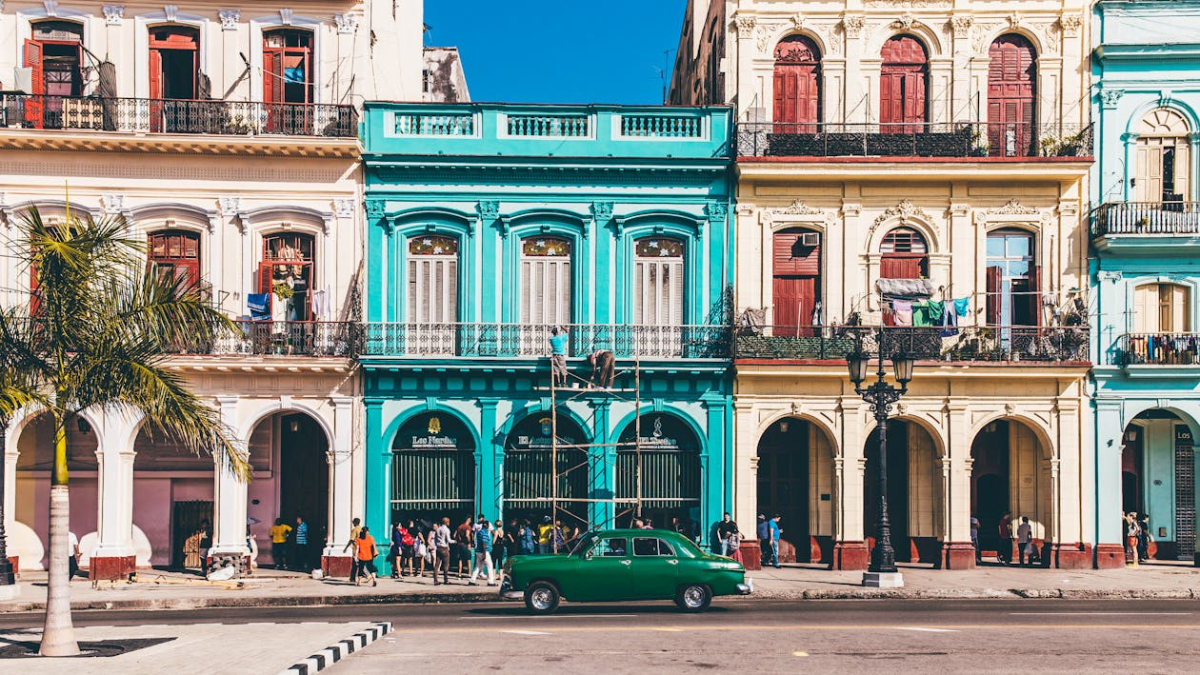
Cuba’s charm lies in its contrasts: colonial cities beside turquoise beaches, vibrant salsa rhythms echoing through crumbling baroque streets, and the warm smiles of locals proud of their heritage. It’s both nostalgic and alive — a destination that engages all senses and tells stories through architecture, art, and everyday life.
- Capital: Havana
- Official language: Spanish
- Currency: Cuban Peso (CUP)
- Population: ≈ 11 million
- Time zone: UTC-5 (Cuba Standard Time)
Top Destinations
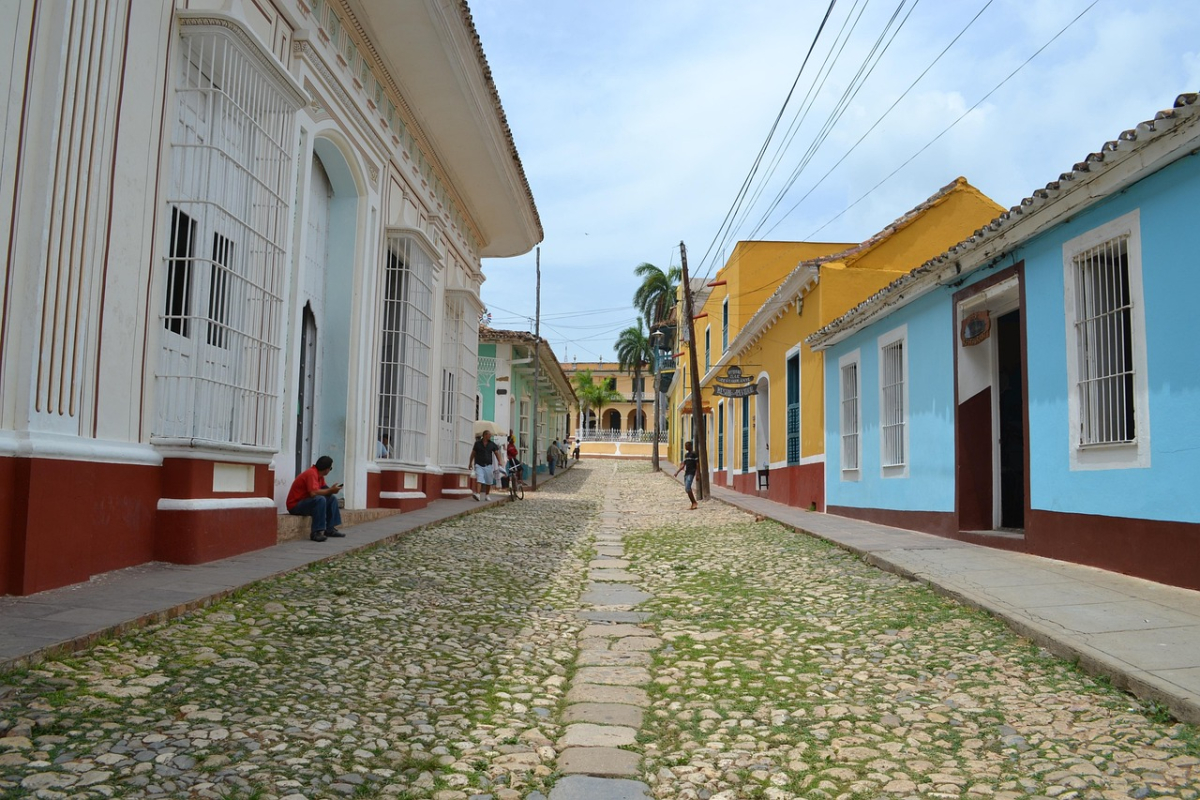
Each region of Cuba reveals a different face of the island. Havana offers music and history; Viñales delivers natural beauty and tobacco traditions; Trinidad and Cienfuegos charm with colonial architecture; while Varadero and Cayo Largo boast stunning beaches. Use our Top Destinations in Cuba guide to plan your route and choose the experiences that match your travel style.
When to Visit Cuba
Cuba enjoys a tropical climate with warm weather year-round. The dry season (November–April) is ideal for sightseeing, photography, and beach activities. The wet season (May–October) brings occasional showers but also lush landscapes and fewer tourists.
- Best months: December to April
- Average temperature: 25–30 °C
- Hurricane season: June to November (rare but possible)
Check Cuba Weather for detailed climate insights by region and month.
Culture & People
Cuban culture is a rich blend of African, Spanish, and Caribbean influences. Music and dance are at the heart of daily life — from spontaneous street performances to lively festivals. Locals are known for their hospitality, resourcefulness, and pride in their island’s history.
Enjoy a live band at a paladar restaurant, learn a few steps of salsa, or simply chat with locals — these are the moments that define the real Cuba.
Food & Drinks
Cuban cuisine is simple yet flavorful, reflecting the island’s agricultural roots. Staples include rice, beans, plantains, and slow-cooked meats. Seafood is fresh and abundant, especially near the coasts.
- Try the national dish ropa vieja (shredded beef stew)
- Sample tostones (fried plantains) and moros y cristianos (rice and beans)
- Enjoy local cocktails: the Mojito, Daiquiri, or Cuba Libre
Find the island’s most authentic dining experiences in our Cuba Food & Drinks and Cuba Restaurants guides.

Getting Around Cuba
Transportation in Cuba ranges from modern taxis to vintage American cars and cross-country buses. Tourists often combine domestic flights, long-distance buses, and private transfers to explore the island efficiently.
- By bus: VIAZUL connects major cities affordably.
- By car: Classic car taxis or rentals for flexible routes.
- By air: Domestic flights to remote islands like Cayo Largo.
See the Transportation Guide for Cuba for detailed routes, costs, and safety advice.
Money & Budget
Cuba is primarily a cash-based economy. The local currency is the Cuban Peso (CUP), and credit card usage is limited. Exchange euros or dollars at official CADECA offices. On average, daily budgets range from $60 USD for backpackers to $200 USD for comfort travelers.
Read our complete Cuba Money guide for current exchange rates and tips on managing expenses.
Health & Safety
Cuba is generally safe, but standard precautions apply. Tap water is not drinkable, and travel insurance is mandatory. Healthcare quality in tourist areas is good, with English-speaking staff in hospitals and clinics.
- Use bottled water and avoid ice from unknown sources.
- Keep valuables secure and use hotel safes.
- Emergency number: 106 (Police) | 104 (Ambulance)
Learn more in our Cuba Health & Safety guide.
Photography & Inspiration
Cuba is a paradise for photographers — vintage cars, crumbling mansions, and glowing sunsets along the Malecón create endless visual stories. Explore our Cuba Pictures gallery to see the island’s beauty through the lens.
Visa & Entry Requirements
Most travelers need a Cuban Tourist Card (Tarjeta del Turista) before arrival. It allows stays of up to 30 days, extendable once. Tourist cards are usually available through airlines or travel agencies. Always confirm visa rules before your trip.
Full details in Visa & Entry Requirements for Cuba.
Quick Travel Tips
- Download offline maps — internet access is limited outside major cities.
- Learn basic Spanish phrases; locals appreciate the effort.
- Carry small bills for tips and street food.
- Pack lightweight clothing and sun protection.
See our Cuba Travel Tips for more practical insights.
Where to Go Next
Cuba connects easily with other Caribbean destinations — but even within the island, there’s plenty more to discover. Don’t miss our guides to:
From Havana’s timeless rhythm to the untouched beauty of Baracoa, every corner of Cuba tells its own story. Let this guide be your compass — and the beginning of your next unforgettable adventure.
