
User login
Cuba Beaches
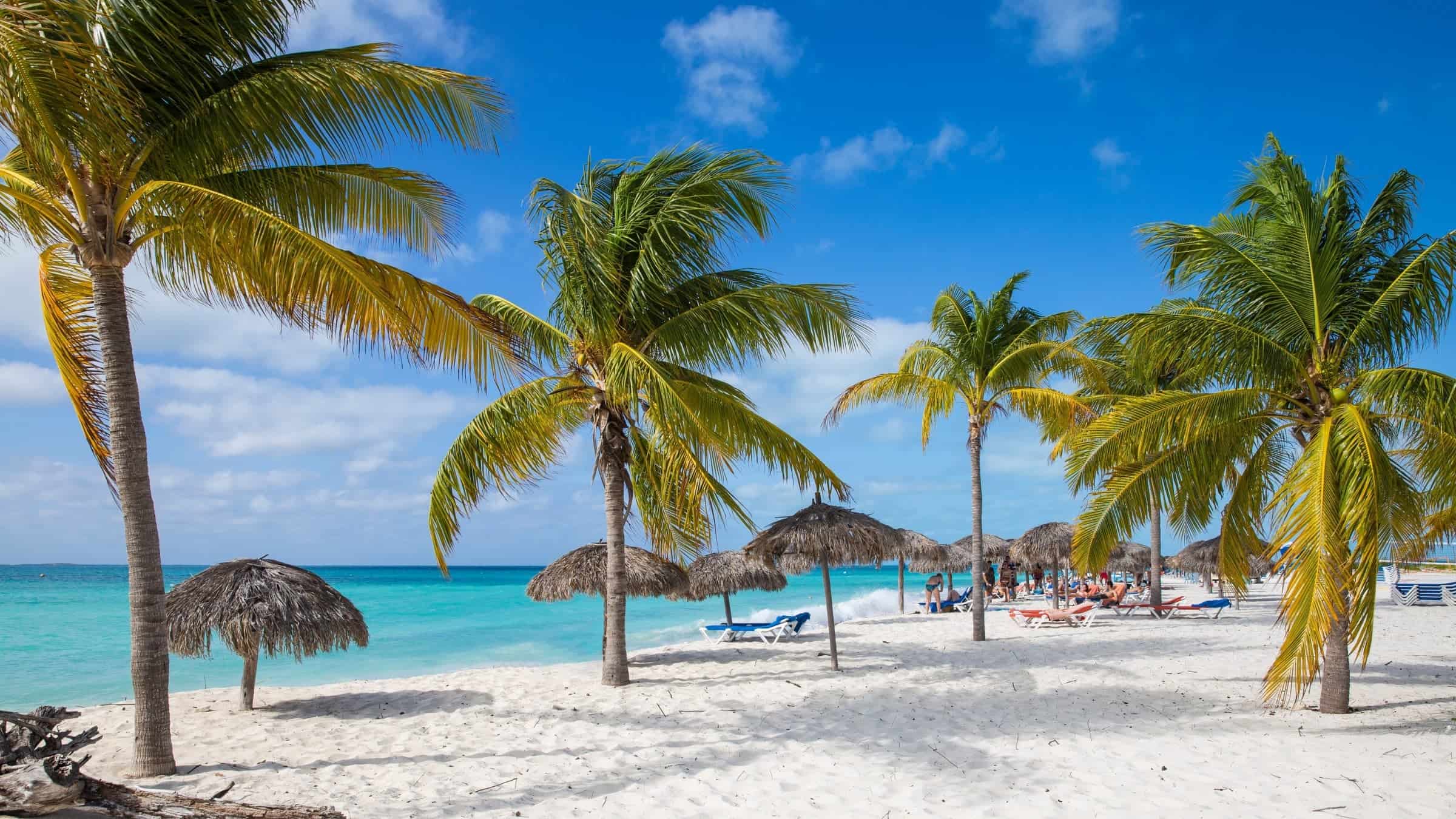
Cuba is home to some of the Caribbean’s most spectacular beaches — a mix of turquoise water, powder-soft sand, naturally protected bays and thriving coral ecosystems. While well-known destinations like Varadero, Cayo Coco and Cayo Santa María attract visitors worldwide, the island also hides dozens of quieter, undeveloped beaches perfect for travelers seeking an authentic experience.
This guide provides a complete overview of Cuba’s best beaches, hidden coastal gems, snorkeling areas, safety tips and recommended spots for different traveler types. For general travel insights, see the Cuba Fast Facts and Map of Cuba pages.
Best Beaches in Cuba
Varadero Beach
Often referred to as one of the world’s best beaches, Varadero features a 20 km stretch of white sand, shallow turquoise water and easy access to hotels, diving centers and restaurants. It’s ideal for families, couples and first-time visitors.
Cayo Santa María
Known for its impossibly soft sand and quiet luxury atmosphere. The beach is part of the Jardines del Rey archipelago and offers calm water perfect for swimming and relaxing.
Cayo Coco
Surrounded by mangroves and coral-rich lagoons, Cayo Coco is one of Cuba’s top snorkeling and wildlife destinations. Expect crystal-clear water and peaceful sections away from resorts.
Cayo Guillermo
Famous for its remote vibe, kitesurfing conditions and untouched coastline. Playa Pilar, with its towering dunes and shallow turquoise water, is a highlight.
Playa Ancón (Trinidad)
A beautiful, calm beach located close to the historic town of Trinidad. It combines excellent swimming conditions with opportunities for snorkeling and sunset photography.
Hidden Beaches in Cuba
Beyond the major resort towns, Cuba offers dozens of quiet, undeveloped beaches where travelers experience the coastline in its most natural form.
Playa La Francesa (Isla de la Juventud)
A pristine beach inside a marine reserve, known for high-visibility snorkeling and peaceful surroundings.
Playa Mayabeque (South Coast)
Long, quiet and undeveloped — perfect for travelers seeking an off-the-grid coastal escape.
Playa Manglito (Near Camagüey)
A shallow, lagoon-like beach surrounded by mangroves, offering calm water and no crowds.
Playa Las Coloradas (Southeast Cuba)
A serene coastline perfect for slow coastal walks and sunset views.
Best Beaches by Traveler Type
For Families
- Varadero (Central zone): Wide sandy entry, lifeguards
- Playa Ancón: Calm water and easy facilities
For Couples
- Cayo Guillermo: Romantic, quiet stretches
- Cayo Jutías: Beautiful sunsets and privacy
For Snorkelers
- Cayo Coco: Coral shelves close to shore
- Bacunayagua Area: Excellent shore snorkeling
For Adventure Travelers
- Cayo Las Brujas: Windsurfing and water sports
- Playa Larga: Diving near the Bay of Pigs
For Luxury Travelers
- Cayo Santa María: High-end resorts and calm beaches
- Varadero (East end): Elegant beachfront hotels
Marine Life & Snorkeling Guide
Cuba is surrounded by some of the healthiest coral ecosystems in the Caribbean. Water visibility is consistently excellent, especially from December to May.
- Common species: sea turtles, parrotfish, rays, trumpetfish
- Best shoreside snorkeling: Cayo Coco, Cayo Guillermo, Playa Ancón
- Visibility: 15–30 meters in calm seasons
For diving enthusiasts, the Isla de la Juventud Marine Reserve is considered world-class.
Beach Safety & Flag Colors
Cuba uses a clear and simple beach flag system to indicate water conditions:
- Green: Safe for swimming
- Yellow: Moderate waves or currents — caution needed
- Red: Strong waves — swimming not advised
- Purple: Jellyfish or marine hazards
Lifeguards are present on popular beaches, but hidden beaches usually have no supervision. Water shoes are recommended in rocky areas.
Travel Tips for Beach Days
- Bring sunscreen — UV levels are high year-round
- Carry cash for local cafés and beach vendors
- Arrive early to enjoy calm wind conditions
- Protect electronics from sea spray and sand
