
User login
Virgin Islands Weather
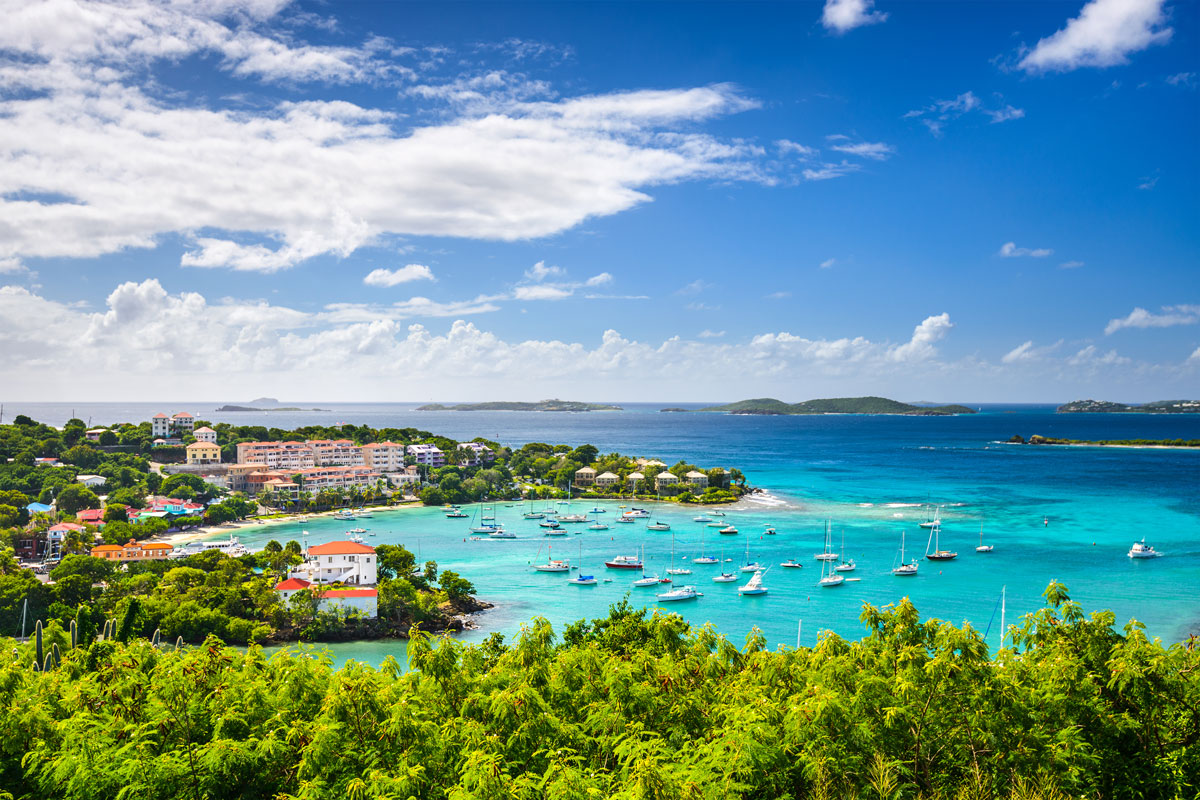
The Virgin Islands enjoy a warm, tropical climate throughout the year, making them a popular destination for beach activities, boating, and outdoor exploration. Weather patterns are generally predictable, with small seasonal variations rather than dramatic changes.
This guide focuses on what travelers can realistically expect from the weather and how climate conditions influence daily plans, activities, and travel comfort.
General Climate Overview
The climate in the Virgin Islands is tropical and moderated by steady trade winds. Days are typically warm, while evenings tend to be comfortable rather than cool. Temperature differences between seasons are minimal, and weather conditions remain suitable for outdoor activities year-round.
Humidity levels can vary, but coastal breezes often help keep conditions pleasant, especially near beaches and waterfront areas.
Sunshine and Cloud Cover
Sunshine is a defining feature of Virgin Islands weather. Many days are bright and clear, with occasional passing clouds that provide brief shade without disrupting plans.
Cloud cover, when present, usually moves quickly due to trade winds. This means that overcast conditions rarely last all day and often alternate with sunny periods.
Rainfall Patterns
Rainfall in the Virgin Islands tends to be seasonal rather than constant. Showers are often brief and localized, especially outside peak rainy periods. It is common for rain to occur in short bursts, followed by clear skies.
Because rain is typically short-lived, most travelers find that it does not significantly interfere with beach time or outdoor activities.
Trade Winds and Breezes
Trade winds play an important role in shaping daily weather. These breezes help regulate temperatures, reduce humidity, and create favorable conditions for sailing and water sports.
Travelers spending time on the water or along exposed coastlines often notice cooling breezes, particularly in the afternoons.
Seasonal Differences
While the Virgin Islands do not experience traditional seasons, there are noticeable differences between drier and wetter periods. Drier conditions generally bring lower humidity and clearer skies, while wetter periods may include more frequent showers.
These variations mainly affect landscape appearance and sea conditions rather than overall travel comfort.
Weather and Ocean Conditions
Sea conditions are closely linked to weather patterns. Calm days are ideal for swimming, snorkeling, and boating, while breezier periods may bring stronger waves in exposed areas.
Beach selection can help adapt to conditions. Sheltered beaches often remain calm even when winds increase. For location-based guidance, see Beaches in the Virgin Islands.
How Weather Affects Activities
Weather rarely prevents activities in the Virgin Islands, but it can influence timing. Many travelers plan outdoor excursions earlier in the day and reserve afternoons for relaxed beach time or dining.
For activity planning ideas that work well across different conditions, visit Things to Do in the Virgin Islands.
Packing and Preparation Tips
Packing for the Virgin Islands typically means lightweight clothing, sun protection, and comfortable footwear. Occasional rain showers make quick-drying fabrics useful, but heavy rain gear is rarely necessary.
For practical travel habits and preparation advice, see Travel Tips for the Virgin Islands.
Weather Awareness and Responsible Travel
Being aware of weather conditions supports both safety and sustainability. Respecting local guidance during changing conditions helps protect natural environments and ensures enjoyable experiences.
Responsible travel practices are discussed further in Sustainable Tourism in the Virgin Islands.
Next Steps
With a clear understanding of weather patterns, you can plan your itinerary with confidence. Combine climate expectations with destination choices from Top Destinations in the Virgin Islands and accommodation planning from Hotels in the Virgin Islands.