
User login
Food & Drink in the Virgin Islands
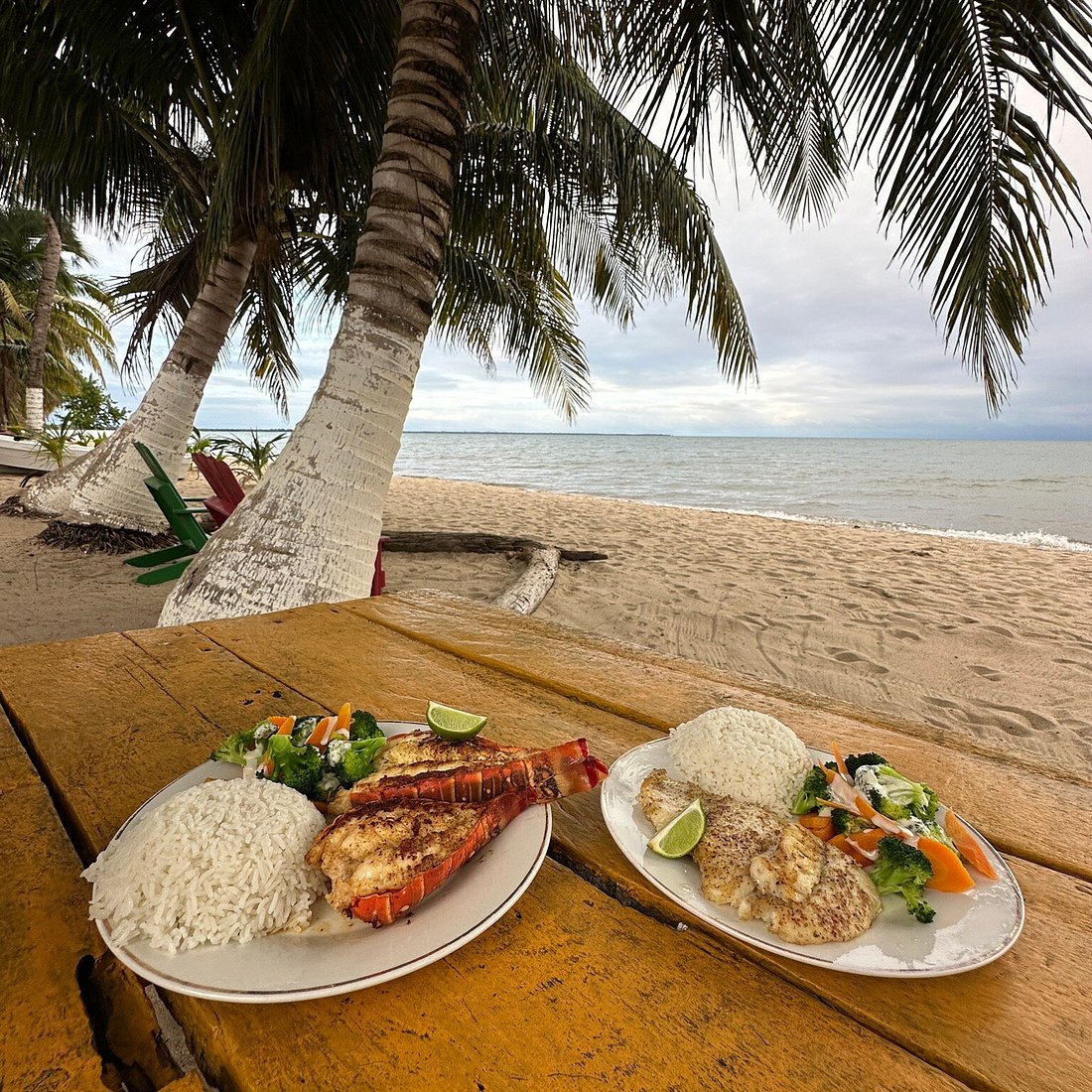
Food in the Virgin Islands is closely tied to island life, local ingredients, and Caribbean culinary traditions. Meals tend to be relaxed rather than formal, and dining is often part of daily routines rather than a separate experience. For travelers, this means food is best enjoyed as part of exploration—between beaches, boat trips, and community events.
This guide focuses on what and how people eat in the Virgin Islands rather than where to eat. Understanding local food culture helps set expectations and makes everyday dining more enjoyable.
What Defines Virgin Islands Cuisine
The cuisine of the Virgin Islands blends African, European, and Caribbean influences, shaped by fishing traditions and seasonal produce. Seafood plays a central role, supported by root vegetables, rice-based dishes, and slow-cooked meats.
Meals are typically flavorful but not overly complex, emphasizing freshness and balance rather than heavy seasoning. Portions are often generous, and food is commonly shared in informal settings.
Seafood and Coastal Flavors
Given the islands’ geography, seafood is a natural highlight. Fish, shellfish, and other ocean-based ingredients appear frequently in everyday meals. Preparation styles range from grilled and stewed dishes to lighter options served with rice or vegetables.
Seafood-focused meals are especially common in coastal towns and near marinas, where fishing and boating influence daily life. Travelers spending time on the water often encounter simple, fresh meals built around the day’s catch.
Local Dishes and Everyday Meals
Many traditional dishes in the Virgin Islands are built around slow cooking and comfort. Stews, rice-based plates, and vegetable sides are common, reflecting a practical approach to cooking that suits island rhythms.
These meals are typically eaten in casual settings rather than formal restaurants. Visitors looking for authentic flavors often encounter local food during community events, small eateries, or informal gatherings.
Food Culture in the USVI vs BVI
While the USVI and BVI share many culinary traditions, the dining experience can feel different between the two. In the US Virgin Islands, visitors often find a wider range of dining options due to larger towns and more developed tourism infrastructure.
In the British Virgin Islands, food experiences are often smaller in scale and closely tied to marinas, beaches, and sailing routes. Meals may feel simpler and more spontaneous, especially when traveling between islands.
Street Food and Casual Eating
Casual eating plays an important role in everyday life. Street food, takeaway counters, and small local spots offer quick meals that fit naturally into a day of exploring. These options are practical for travelers who want to keep moving rather than planning sit-down meals.
Street food is also closely linked to festivals and public events. During celebrations, food stalls and vendors become central gathering points. For cultural context, see Festivals & Events in the Virgin Islands.
Island Drinks and Local Beverages
Drinks in the Virgin Islands reflect the islands’ relaxed atmosphere. Rum-based beverages, fresh juices, and simple mixed drinks are common, especially in social settings near beaches or waterfronts.
Drinking culture is generally casual rather than nightlife-driven, although evenings can become lively during festivals or in areas with concentrated social activity. For evening-focused planning, see Nightlife in the Virgin Islands.
Dining Pace and Expectations
Dining in the Virgin Islands follows a slower, more relaxed pace. Service may feel unhurried compared to large cities, and meals are often treated as social moments rather than quick transactions.
Adapting to this rhythm helps avoid frustration and allows travelers to enjoy food as part of island life rather than as a checklist item.
Food Planning Tips for Travelers
- Expect casual dining environments rather than formal restaurant settings.
- Plan meals around your daily activities rather than fixed dining times.
- Be open to trying local dishes even if menus feel unfamiliar.
- Use festivals and community events as opportunities to explore local food.
- Balance sit-down meals with simple, quick options during busy days.
Next Steps
Food and drink are most enjoyable when combined with other island experiences. Use Things to Do in the Virgin Islands to plan activities that naturally lead to local dining moments, and Beaches in the Virgin Islands to pair relaxed meals with time by the sea.