
Virgin Islands Maps
This page collects the most useful Virgin Islands maps for trip planning, including separate maps for the US Virgin Islands (USVI) and the British Virgin Islands (BVI). Because the Virgin Islands are split between two jurisdictions, maps are especially helpful for understanding island groups, ferry routes, and which destinations make sense to combine.
Quick Orientation: USVI vs BVI
- US Virgin Islands (USVI): Includes St. Thomas, St. John, and St. Croix. Often planned as a single-base trip with optional day trips.
- British Virgin Islands (BVI): Includes Tortola, Virgin Gorda, Jost Van Dyke and more. Frequently planned around island-hopping and boating.
If you’re planning to move between both groups, review Visa & Entry Requirements for the Virgin Islands and the Transportation Guide for the Virgin Islands before locking in transfers.
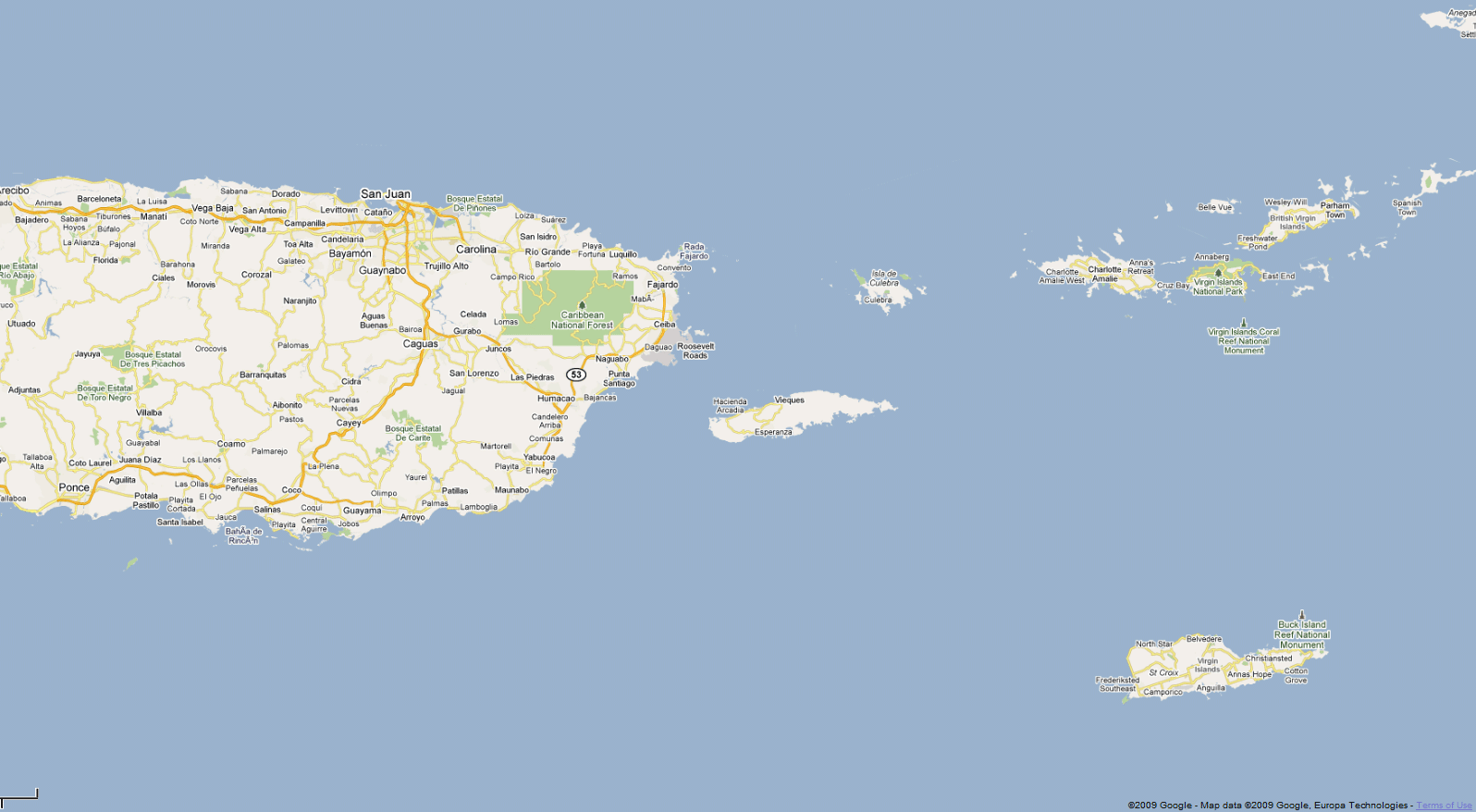
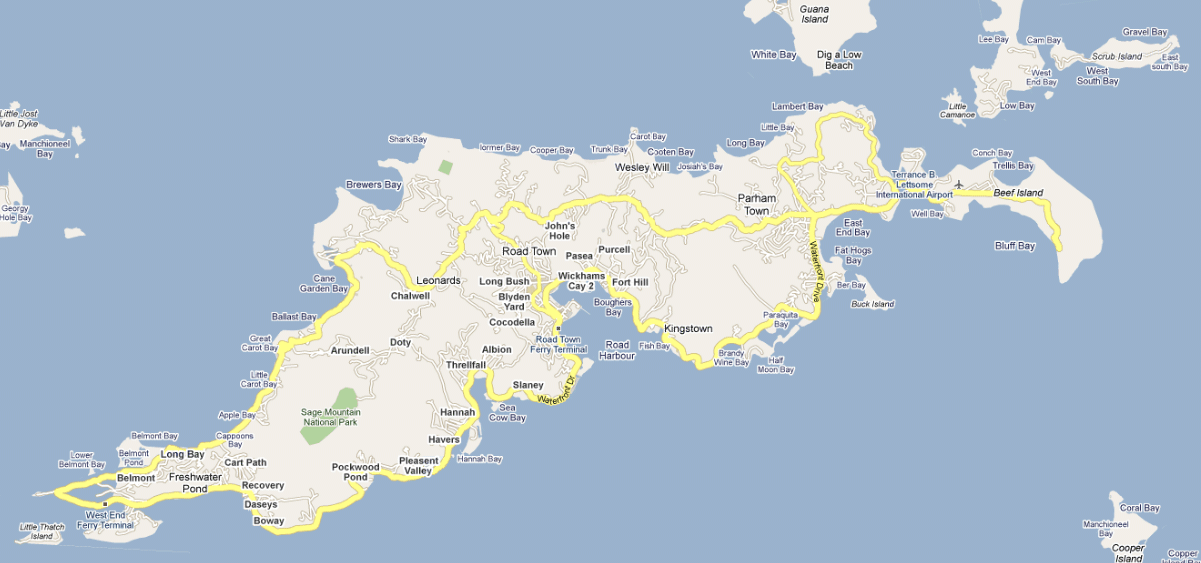
Where Are the Virgin Islands?
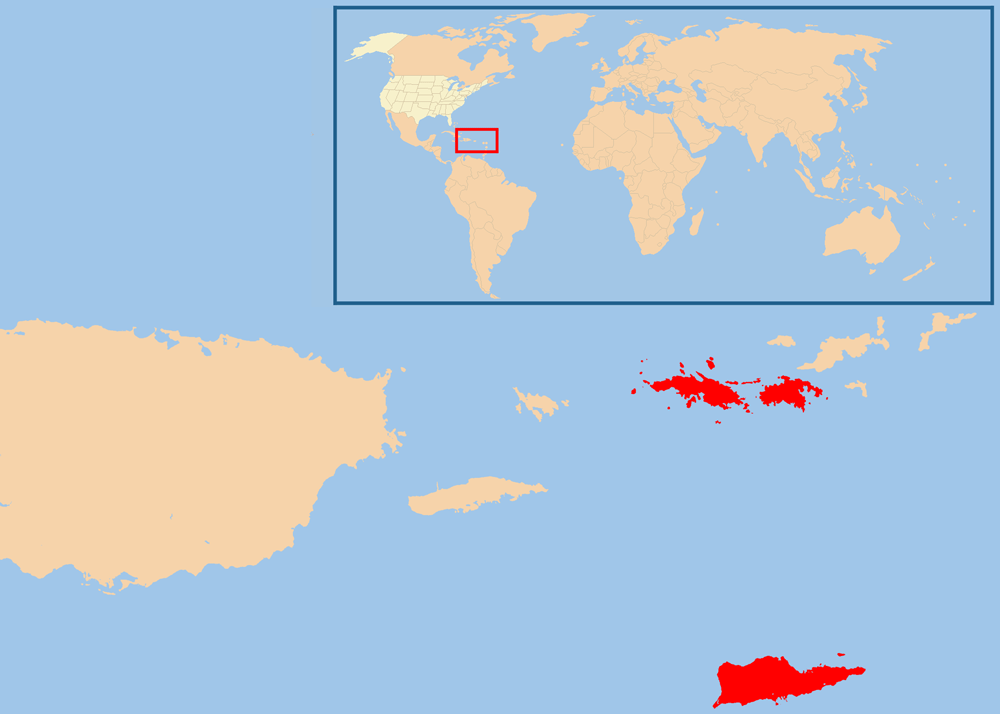
The Virgin Islands sit in the northeastern Caribbean, east of Puerto Rico. This location makes them easy to combine with other nearby Caribbean destinations, but most visitors focus on one island group (USVI or BVI) to keep logistics simple.
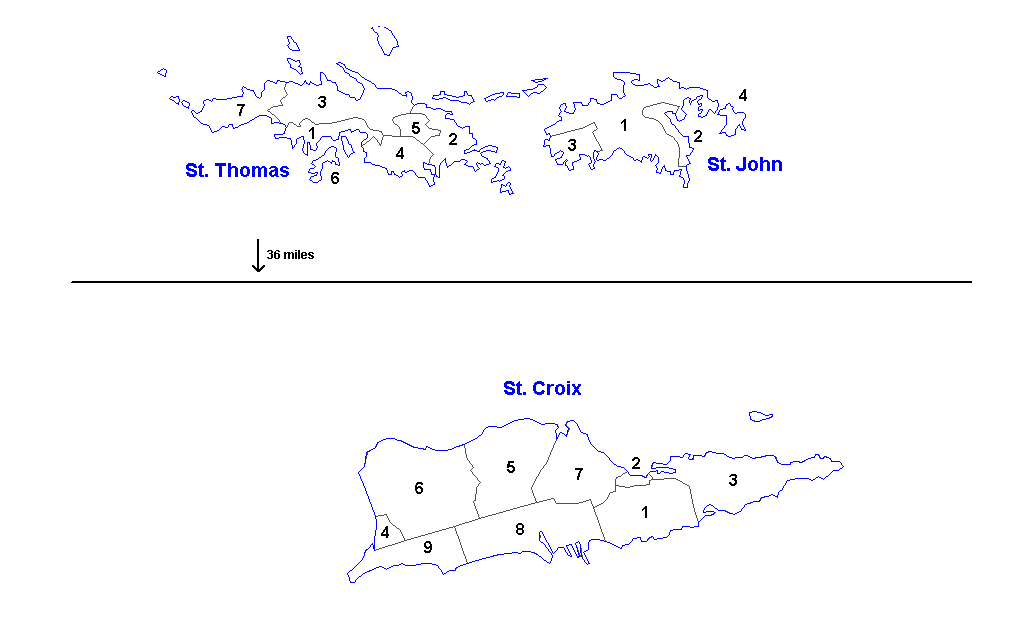
United States Virgin Islands District Map
If you want a more detailed view of how the USVI is organized locally, this district map can help you identify key areas—especially when choosing where to stay or understanding which side of an island is closer to beaches, towns, or ferry points.
Main Islands at a Glance
- St. Thomas: Often chosen for easier access, a busier town feel, and evening options.
- St. John: Known for a quieter pace and nature-focused days.
- St. Croix: A distinct island experience with its own atmosphere and day-by-day rhythm.
For a deeper breakdown of where to base yourself, see Top Destinations in the Virgin Islands and Hotels in the Virgin Islands.
How to Use These Maps for Trip Planning
- Choosing a base: Use the USVI/BVI maps to understand which islands are realistic to combine.
- Beach planning: Pair map orientation with Beaches in the Virgin Islands to group beaches by area.
- Ferries and transfers: Use the maps alongside the Transportation Guide to plan buffer time.
- Daily itineraries: Keep days geographically focused, then use Things to Do for activity ideas nearby.
Next Steps
Now that you’ve oriented yourself geographically, continue with Top Destinations in the Virgin Islands to pick your base, then use Transportation Guide to finalize ferry and transfer logic.
Frequently Asked Questions About the Virgin Islands Map
Do I need a passport to travel between the US Virgin Islands and the British Virgin Islands?
Yes. Even though the islands are close geographically, traveling between the US Virgin Islands (USVI) and the British Virgin Islands (BVI) involves crossing an international border. A valid passport is required for ferry or boat travel between the two island groups.
Entry procedures and documentation details are explained in Visa & Entry Requirements for the Virgin Islands.
Which Virgin Island is best as a base for first-time visitors?
For first-time visitors, islands with easier access and more transportation options are often the most practical choice. In the USVI, some travelers prefer islands that allow simple day trips and flexible planning, while others choose quieter bases focused on beaches and nature.
The best base depends on your travel style, transportation plans, and the type of experiences you want. A detailed comparison can be found in Top Destinations in the Virgin Islands.