
Sign in
For Photos4Travel editors and team members.
Virgin Islands · Best Beaches in the
Best Beaches in the Virgin Islands: Choose by Island and Kind of Day
The best Virgin Islands beach is often the one that leaves you enough time to enjoy it. A cruise visitor on St. Thomas, a family staying near Cruz Bay and a couple sailing from Tortola face very different journeys, even when the water in the photographs looks equally blue. Start with your island and your transport, then choose the beach.
On this page · 9 sections ShowHide
This guide covers both the U.S. Virgin Islands and the British Virgin Islands. Those names matter: a boat trip between the groups crosses an international border. For a relaxed first visit, spend most beach days within the group where you are staying and treat an international excursion as a planned travel day.
Choose the day before choosing the beach
For a beach day with straightforward facilities, start with Magens Bay on St. Thomas or Trunk Bay on St. John. For room to spread out and combine sand with another activity, consider Cinnamon Bay. Maho and Francis appeal to visitors interested in snorkeling and sea turtles, although an animal sighting is never promised. In the BVI, Cane Garden Bay suits a stay on Tortola, White Bay fits a Jost Van Dyke visit, and the Baths is a boulder-and-trail outing with a beach component.
Give a first swimming stop the best part of your day, while you have time to assess conditions and change plans. Check the actual entry into the water, not just the color of the bay from a viewpoint. A sheltered-looking photograph cannot tell you today's swell, current, visibility or floating seaweed. Ask locally and read posted warnings before putting on a mask.
If you are using taxis, arrange the return before settling onto the sand. A beach close to your accommodation is often a better final-afternoon choice than the famous beach that adds a ferry connection. See the transportation guide for the island-to-island decisions.
Magens Bay, St. Thomas: a beach day with fewer moving parts
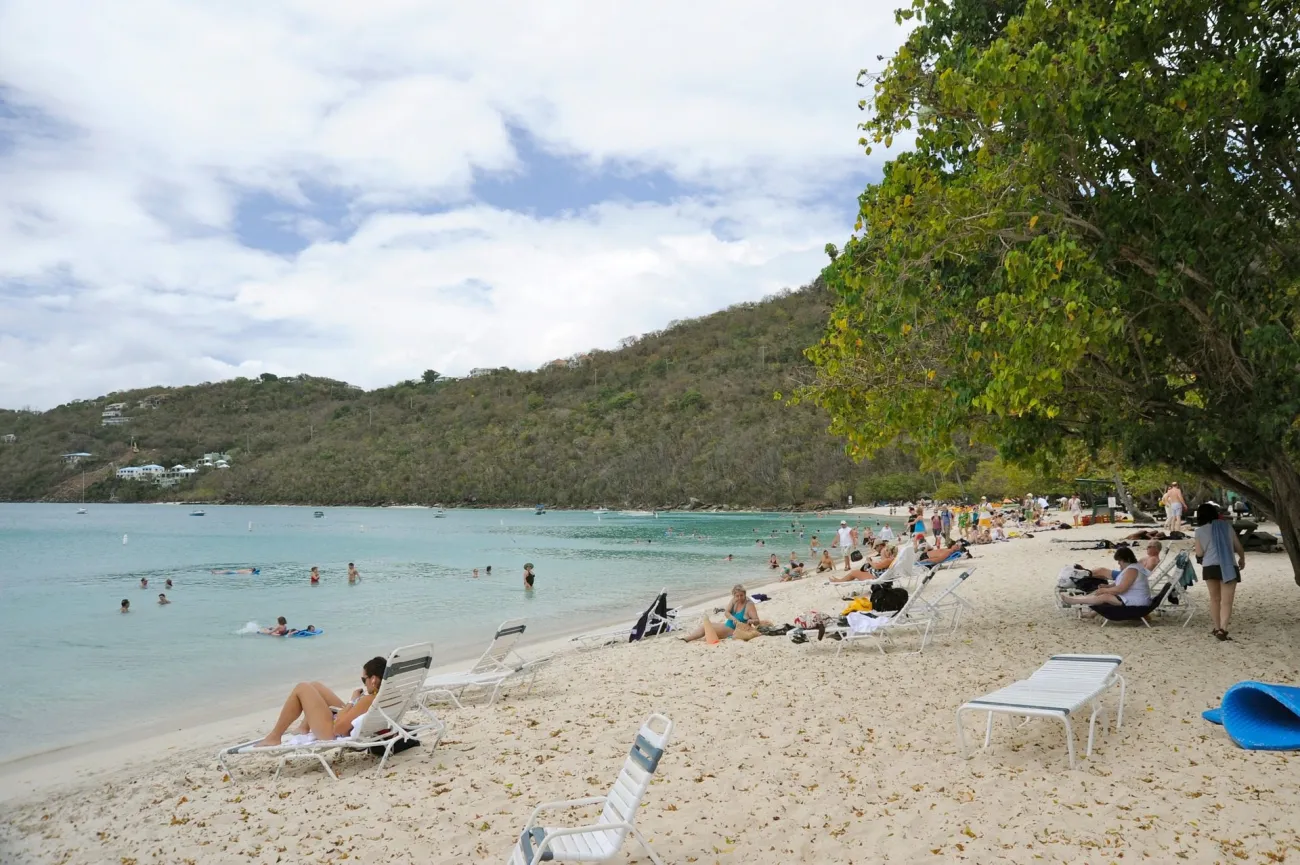
Photo: Fred Hsu · CC BY-SA 3.0. Resized.
Magens Bay is a useful first choice when you want most of the day to happen on one stretch of sand. Its established visitor entrance and broad bay make it a straightforward place to settle for the day. That makes it particularly practical for a mixed group: one person can swim while another rests in the shade or takes a walk.
The Magens Bay Authority's published visitor admission, checked on 19 November 2026, is US$7 per person; children under 12 enter free. Vehicle parking is listed separately at US$2. These are entrance costs, not a package including taxi travel, food or beach equipment. Confirm the current charges and operating hours before leaving your base.
For a cruise call, decide whether Magens is your main outing or one part of a shorter town-and-beach day. Trying to fit it between a long shopping session, several viewpoints and a meal elsewhere can reduce a beautiful beach to a rushed photograph. Tell the driver your ship's all-aboard time and allow a return margin that reflects local traffic, not the map's shortest estimate.
Trunk Bay, St. John: scenery and a well-known snorkel setting
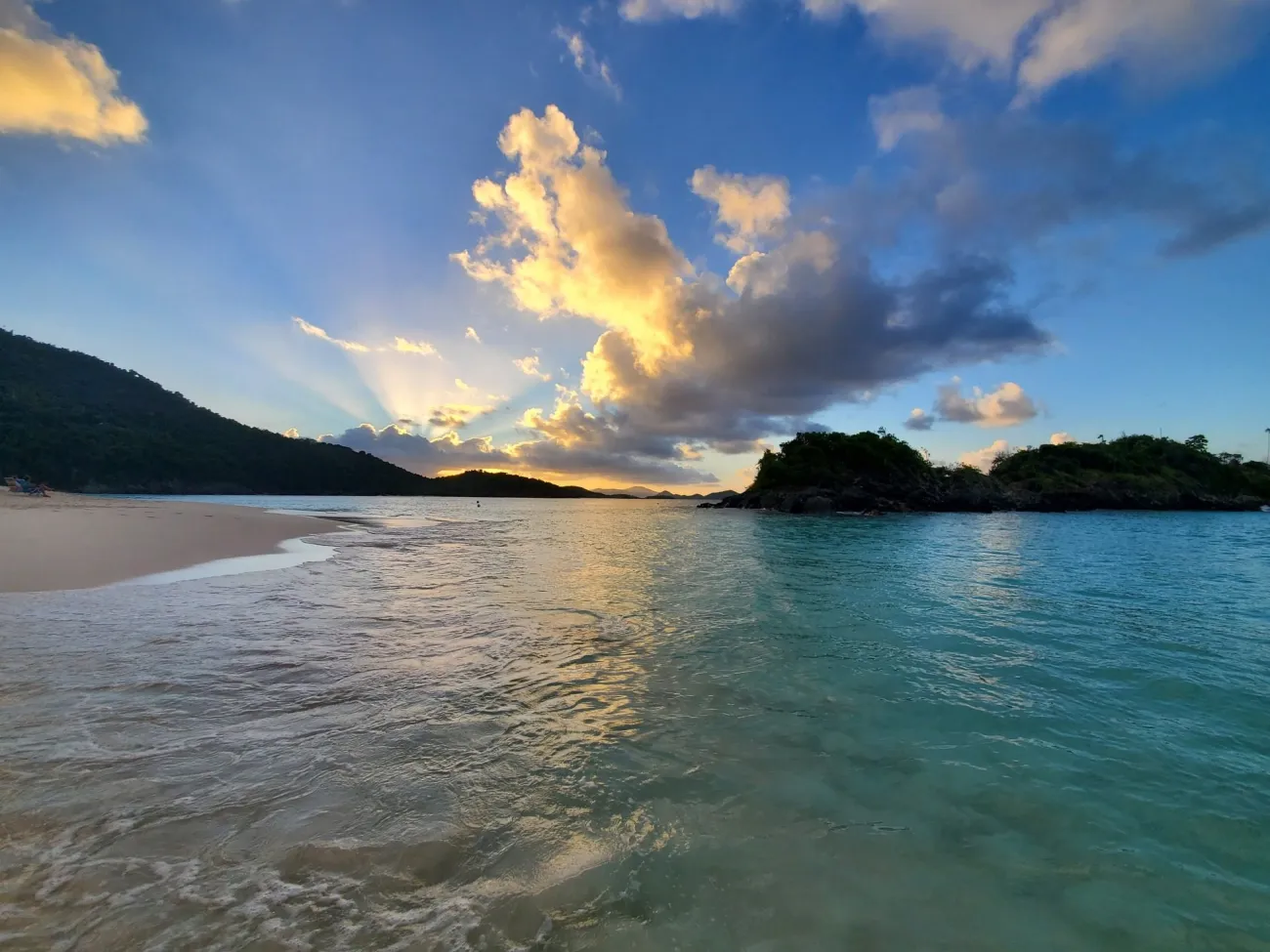
Photo: NPS/Parnicza · Public domain (U.S. Government work). Resized. No claim to original U.S. Government works.
Trunk Bay earns its reputation on land as well as in the water. The nearshore cay, pale sand and wooded slopes make a satisfying scene even if you never put on fins. Come with enough time for a swim, a pause on shore and a second look at the changing light; an underwater trail should not turn the whole visit into a task to finish.
The National Park Service lists a US$5 amenity fee for visitors aged 16 and over. Its current fee guidance says payment became cashless on 1 October 2026. Facilities and concession hours have their own limits, so an open beach does not imply that rentals, food or showers will be available at any hour. Consult the park's fee page and operating information.
Snorkel only when conditions and your ability are suitable. Stay out of boat channels, leave space around other swimmers and keep fins clear of the bottom. If the sea is rough, the worthwhile alternative is the beach itself or another land-based plan. A first snorkel experience should not depend on reaching the far side of a cay.
Cinnamon Bay, St. John: leave space for a slower afternoon
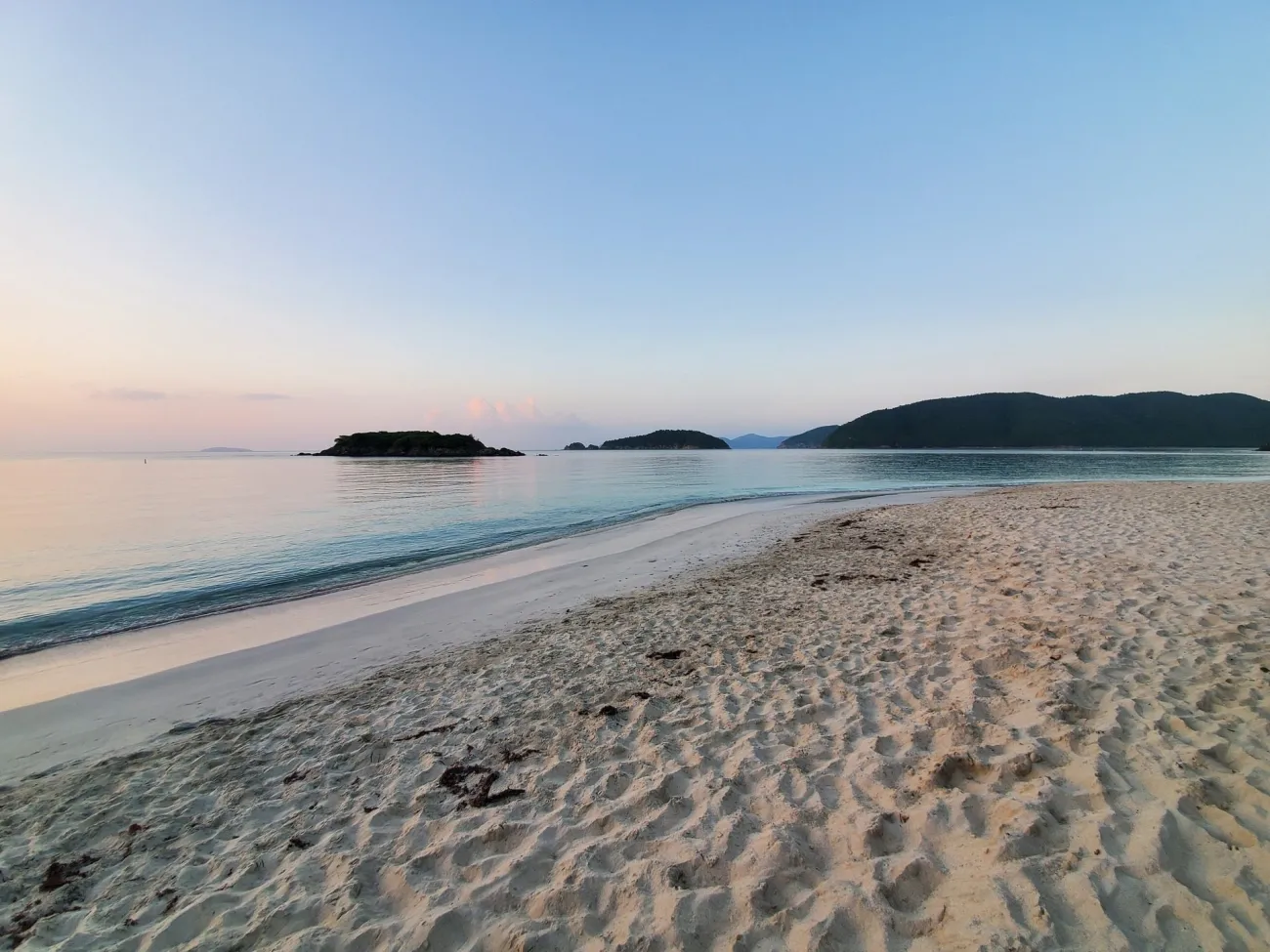
Photo: NPS/Parnicza · Public domain (U.S. Government work). Resized. No claim to original U.S. Government works.
Cinnamon Bay suits a leisurely day with time for both the beach and its surrounding historic landscape. The beach-and-campground setting rewards leaving a few hours free to settle in.
Keep any walk through the historic area separate from an assumption that every path is equally accessible. The NPS identifies a boardwalk at the Cinnamon Bay historic ruins, but sand, the route to the water and other trails present different surfaces. If mobility access is essential, ask about the specific journey you need, from parking or taxi drop-off through to the place where you plan to sit.
Bring what makes a longer stay comfortable: drinking water, sun protection and a bag that keeps your essentials together. Before relying on a meal, equipment hire or a campground service, check with the operator. The sunset images in this guide record particular moments; cloud, season and conditions can produce a very different evening on your visit. Let the beach day stand on its own without making sunset color a requirement.
Maho and Francis, St. John: watch wildlife without chasing it
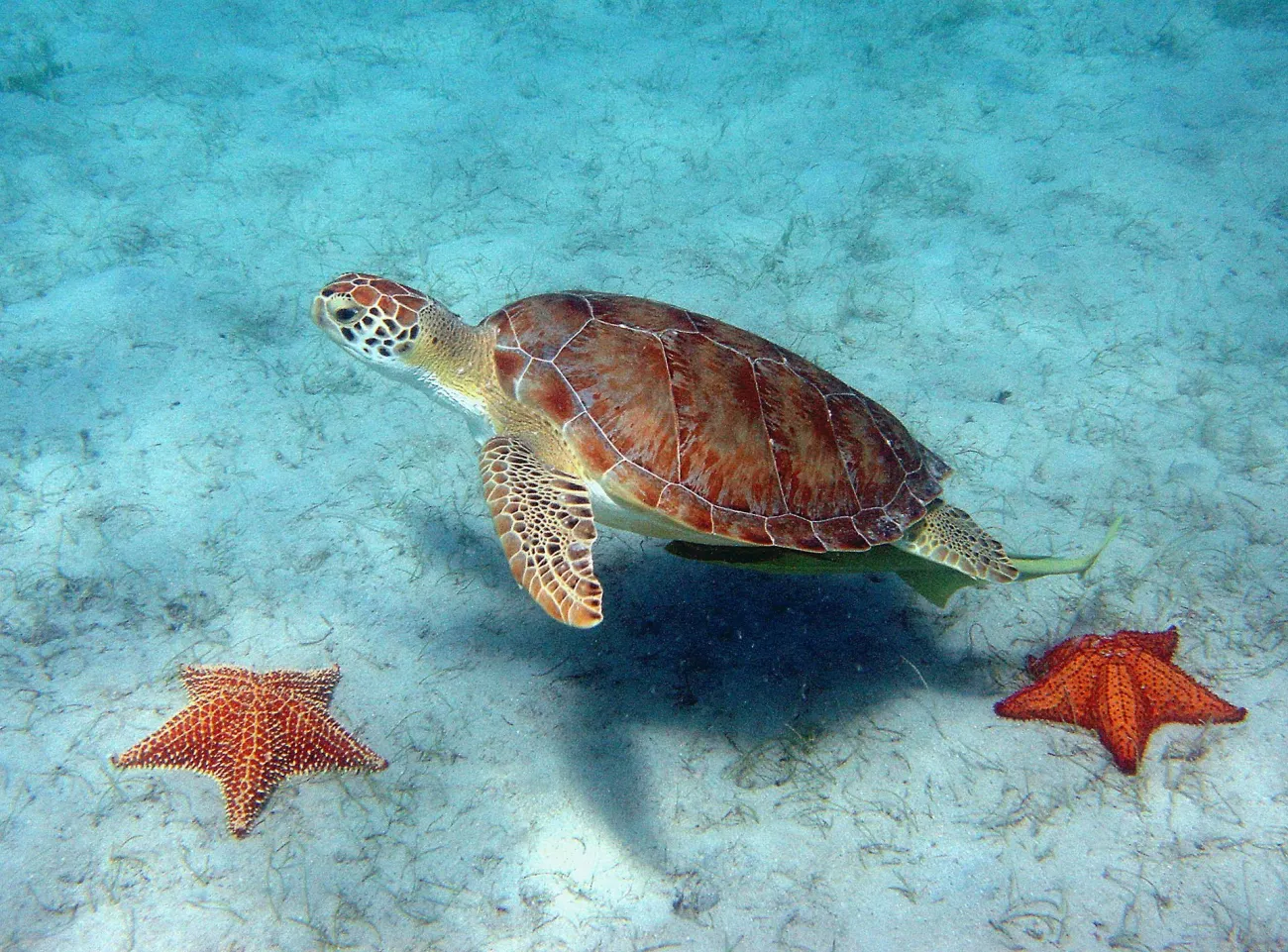
Photo: NPS/Caroline Rogers · Public domain (U.S. Government work). Resized. No claim to original U.S. Government works.
Maho and Francis are often chosen by visitors who hope to see green sea turtles over seagrass. The important word is hope. Turtles are wild animals, and neither a recent sighting nor a published photograph guarantees that you will find one during your swim.
Choose an entry and turnaround point that fit your swimming ability. Spend time looking quietly, keep your distance and leave a clear route for a turtle to surface. Do not surround, follow closely, feed or touch an animal. A short, unhurried encounter is more rewarding than a long swim spent trying to keep up. If visibility or swell is poor, save the snorkeling for another day.
Francis also gives you a reason to enjoy the area from land. The park describes a boardwalk near the pond, useful for a different pace and a chance to look for birds. That can make a good change from swimming, especially if members of your group want different activities. Check the NPS accessibility information before treating any path or beach access ramp as assured; storms and high water can change access.
BVI beach choices: match the shore to your island base
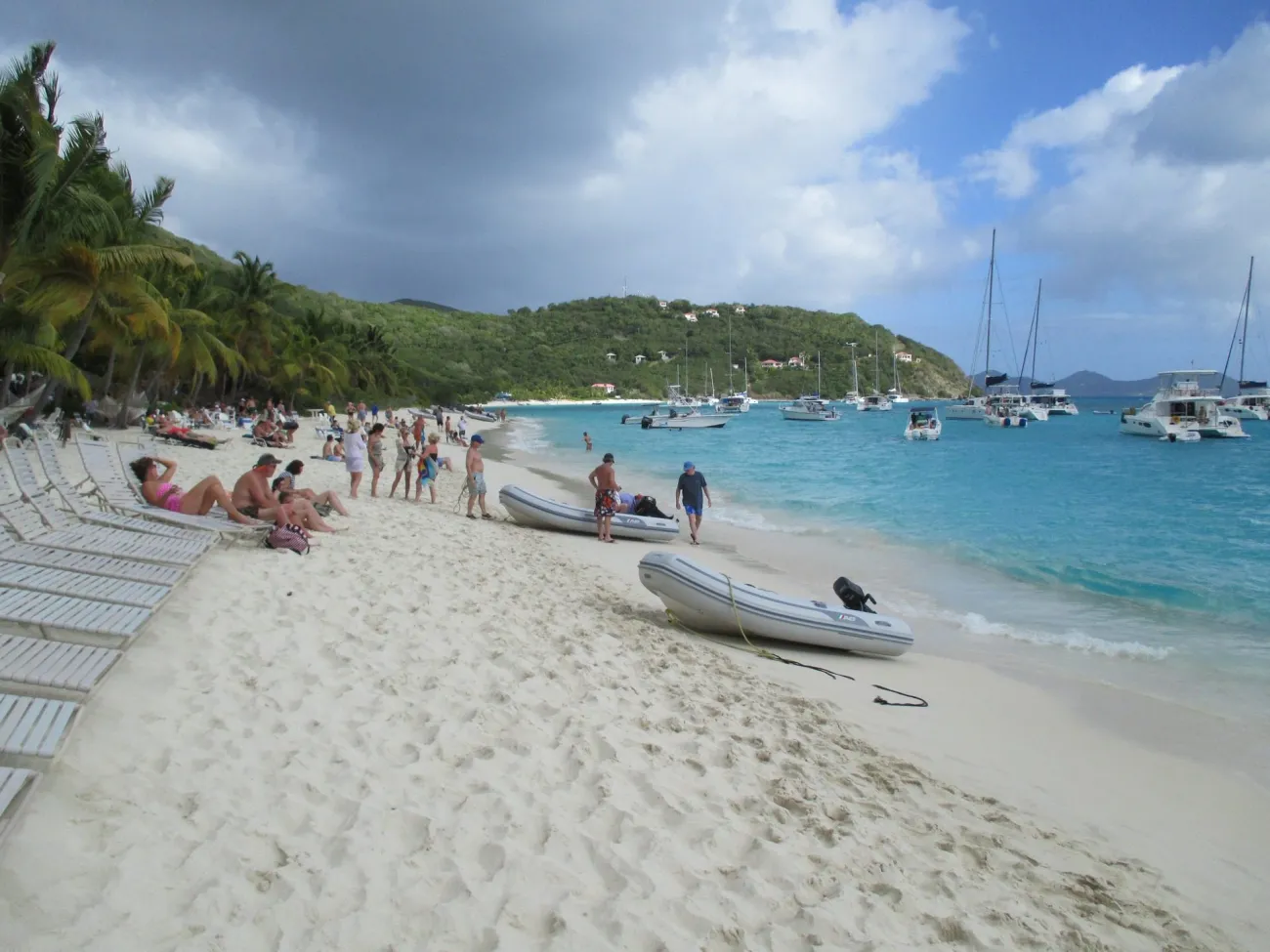
Photo: Mattes · CC BY 2.0 de. Resized.
Cane Garden Bay gives travellers staying on Tortola a beach-day option without a ferry crossing. Compare the journey from your accommodation with the amount of time you actually want on the sand. A west-coast beach stop can work especially well as the main outing after a quiet morning, provided you have arranged a reliable return.
On Jost Van Dyke, distinguish White Bay from Great Harbour. Great Harbour is the setting associated with Foxy's and a ferry arrival does not put you automatically on White Bay's sand. Allow for the road transfer, an agreed pickup and the last sailing you intend to use. White Bay's beach-bar atmosphere may suit a sociable afternoon, but it is a different choice from seeking an empty shore.
Anegada asks for a larger commitment. Its low-lying setting and beaches such as Loblolly Bay and Cow Wreck are a reason to spend meaningful time on the island, not an extra item to squeeze between Tortola and Virgin Gorda. Check an actual transport plan first and compare an overnight stay with a compressed day trip. The BVI Tourist Board's ferry directory is a starting point; confirm the exact date, terminal and return with the operating company.
The Baths, Virgin Gorda: plan for the route between the boulders
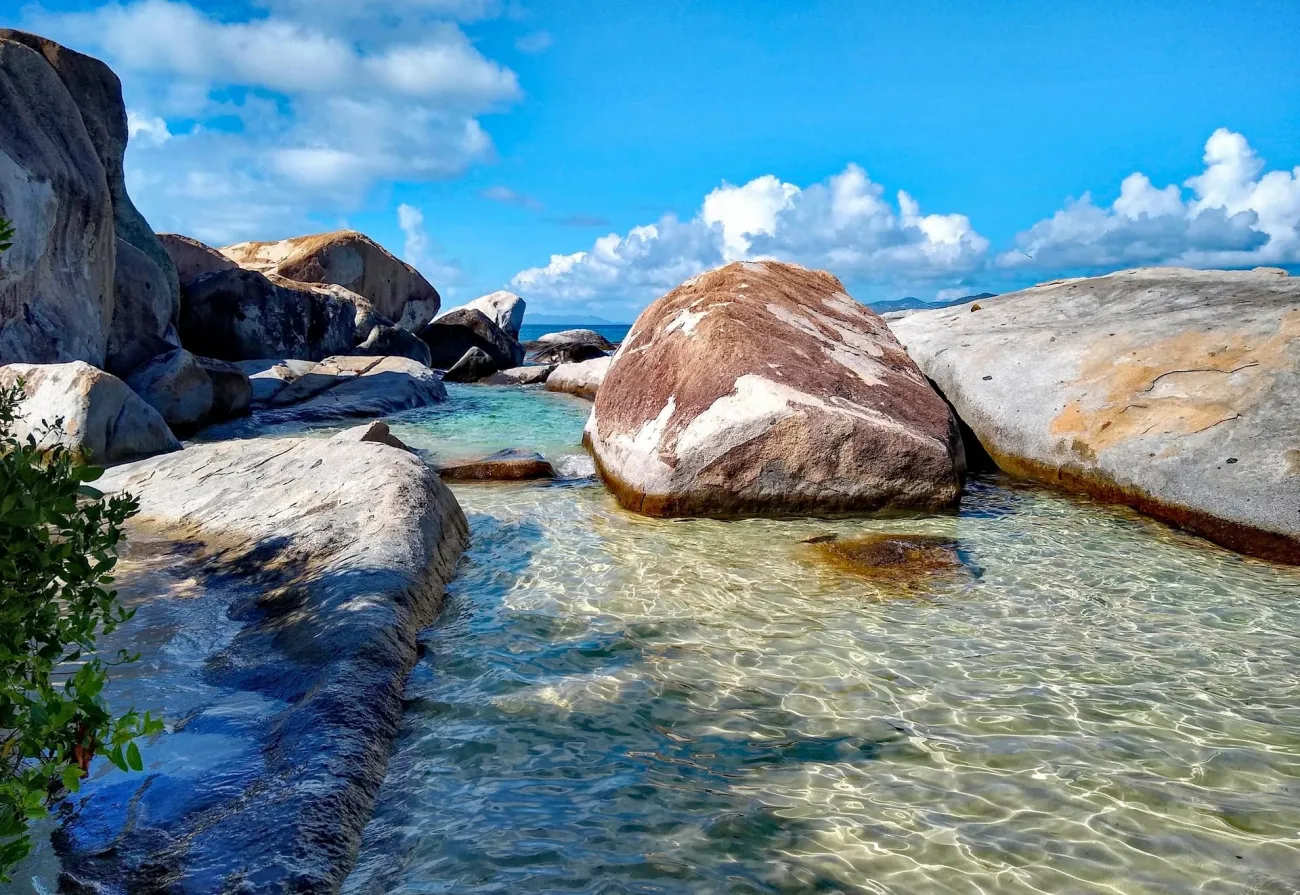
Photo: P. Hughes · CC BY-SA 4.0. Resized.
The Baths is not simply a place to arrive, put down a towel and assume the rest will be easy. Granite boulders create the memorable landscape, but the route can involve steps, narrow gaps, uneven footing and water. Think about the people in your group, the bag you are carrying and the shoes you will wear before choosing it as an outing.
The BVI National Parks Trust's current ticket page lists admission at US$10 for adults and US$5 for visitors under 18, with an additional online booking fee shown during purchase. This replaces older prices that remain on some travel pages. Consult the official ticket information and the park's access and conditions guidance.
Follow the flags and staff advice on the day. North swells can make sea access unsuitable, particularly in the winter season; an attractive bay seen from above does not overrule a warning at the shore. Bring a compact bag, keep your hands available for the route and decide in advance what your group will do if part of the trail or water access is unsuitable.
St. Croix and the final checks that make a beach day work
St. Croix deserves its own beach plan. For a day without a boat transfer, compare Rainbow Beach on the Frederiksted side with Cane Bay. The official St. Croix beach guide identifies food and equipment services at Rainbow Beach, while Cane Bay offers shore-based snorkeling and diving options. Choose around your accommodation and the road journey: a beach-and-lunch afternoon and a planned dive are different days. Check local surf and current before entering the water, and confirm the services you intend to use.
If Buck Island is your priority, arrange an excursion through an authorized operator and ask how the day's sea conditions affect the boat and snorkeling plan. It is a marine outing with transport and operating requirements, not a beach reached by a casual drive. Give it its own time on St. Croix.
Sandy Point is a protected wildlife refuge. Seasonal closures protect nesting turtles, so check the U.S. Fish and Wildlife Service's visitor information before traveling there. Do not build a day's route around an assumed opening time or an old photograph of an empty beach.
Wherever you go, make five checks: entry and parking costs, current sea warnings, the available facilities, your return transport and the things you must carry out. Keep valuables out of sight, take your litter with you and use designated paths. For fees beyond the beach entrance, see Virgin Islands travel costs. For a land-based alternative on a rough-sea day, use things to do.
Frequently asked questions
Which Virgin Islands beach is easiest for a first visit?
Start on the island where you are staying. Magens Bay is a practical St. Thomas option, while Trunk Bay suits visitors based on St. John. An international ferry trip adds entry procedures and return connections to what could otherwise be a simple beach day.
Do all Virgin Islands beaches charge admission?
No. Charges depend on the beach and managing authority. Magens Bay, Trunk Bay and the Baths have published admission charges, and parking, transport or equipment can cost extra. Check the exact beach before leaving.
Can I count on seeing turtles at Maho Bay?
No. Maho's seagrass provides turtle habitat, but sightings and visibility vary. Keep your distance, never touch or feed turtles and choose a swim that matches your ability and the day's conditions.
Is the Baths suitable for every visitor?
The route includes uneven surfaces, steps and narrow passages, with conditions that can involve water. Check the official access guidance and current flags before deciding whether it fits your group.
Can I visit a BVI beach from the USVI without a passport?
A trip between the USVI and BVI crosses an international border. Check the entry rules that apply to your nationality, carry the required travel documents and confirm the operator's check-in and return arrangements.