
User login
Car Rental in the Virgin Islands
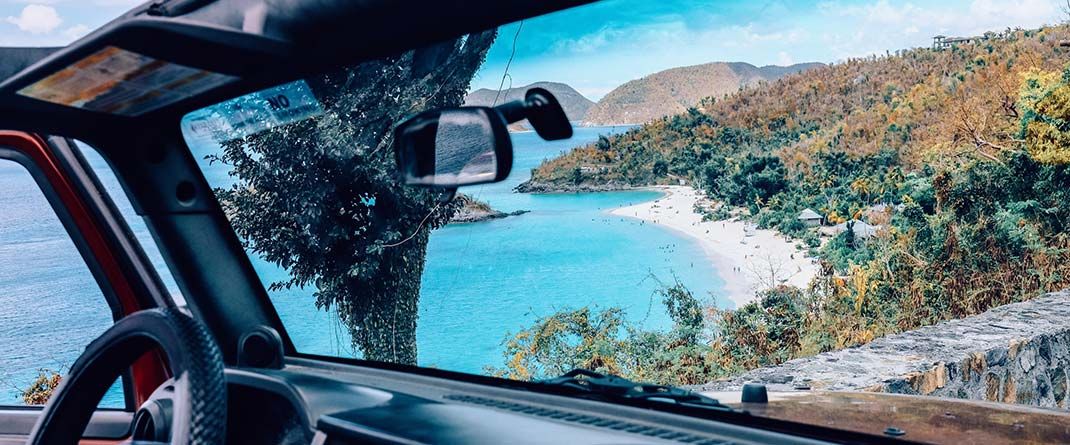
Renting a car in the Virgin Islands can be a major convenience—or completely unnecessary—depending on which islands you choose and how you plan to move around each day. On the larger, road-based islands, a car can reduce daily friction and make beaches, viewpoints, and local food stops easier. On smaller islands, taxis, water taxis, and short transfers can be the smarter option.
This guide focuses on practical differences rather than ranking rental companies. If you’re still deciding which islands match your trip style, start with Top Destinations in the Virgin Islands and then review Transportation Guide for the Virgin Islands for island-to-island planning.
Do You Need a Car? Quick Decision Guide
- Most useful: St. Croix (USVI) and parts of St. Thomas (USVI) if you want flexible beach-hopping and scenic drives.
- Sometimes useful: St. John (USVI) if you want full control of beach timing—but parking and narrow roads matter.
- Often optional: Tortola (BVI) if your plans are marina-focused or you’re moving by boat frequently.
- Often unnecessary: Smaller BVI islands if your trip revolves around island-hopping and water transfers.
If your itinerary is primarily beaches and outdoor time, you may find a car helpful for planning “one-day loops.” Pair this page with Beaches in the Virgin Islands and Things to Do in the Virgin Islands.
USVI vs BVI: Why Car Rental Planning Is Different
Car rental planning changes significantly depending on whether you’re in the US Virgin Islands (USVI) or the British Virgin Islands (BVI).
- USVI: Many travelers choose a base island and explore mostly by road, using short drives to beaches and towns.
- BVI: Trips often revolve around marinas, ferries, and water taxis, and some routes are simply easier by sea than by road.
If you expect to cross between USVI and BVI, confirm your route early and review Visa & Entry Requirements for the Virgin Islands and the Transportation Guide for the Virgin Islands.
Driving Basics You Should Know
Left-Side Driving
The Virgin Islands are known for left-side driving. This is one of the biggest adjustment points for many visitors. Take extra care at intersections, roundabouts, and when pulling out from parking areas—especially on narrow hillside roads.
Road Conditions and Island Terrain
Road quality varies by island and even by neighborhood. Expect narrow lanes, steep grades, tight turns, and occasional uneven surfaces. If you plan to explore viewpoints, remote beaches, or hilly interiors, choose a vehicle that matches your comfort level with steep roads.
Parking and Day Planning
Parking availability can influence your daily pace more than the driving itself. Some popular beach areas and town centers have limited parking at peak times. For fewer surprises, combine your car planning with Travel Tips for the Virgin Islands.
Island-by-Island: When a Car Helps Most
St. Thomas (USVI): Flexible Days with Easy Town Access
A car can be helpful if you want to mix beach time with dining, viewpoints, and short day trips across the island. If you plan to keep evenings active, pair your planning with Nightlife in the Virgin Islands so your base location and driving plans align.
St. John (USVI): Great Beaches, Narrow Roads, Limited Parking
St. John is often chosen for its natural setting. A car can help you reach beaches and trailheads on your schedule, but narrow roads and parking constraints can make some days feel slower. If your focus is primarily beach time, use Beaches in the Virgin Islands to plan realistic beach sequences rather than trying to do too much in one day.
St. Croix (USVI): The Strongest Case for Renting a Car
St. Croix is larger and often suits travelers who want variety without constant transfers. A car can make it easier to explore different coastal areas and inland stops while keeping your trip pace relaxed. If you enjoy local dining and day-to-day island life, connect this planning with Food & Drink in the Virgin Islands.
Tortola (BVI): Useful for a Land-Based Base, Optional for Boat-First Trips
Tortola is the main BVI hub and can support a car-friendly itinerary if you’re staying land-based. If your plans revolve around marinas, sailing routes, or frequent water transfers, you may not need a car for the entire stay. For route planning, review Transportation Guide for the Virgin Islands.
Virgin Gorda, Jost Van Dyke, Anegada (BVI): Often Best Without a Car
On smaller islands, travel often centers on a few key areas, and the most practical movement may be via short rides, water taxis, or pre-arranged transfers. Many travelers find it easier to plan these islands as part of a broader island-hopping route rather than trying to replicate a road-trip style itinerary.
Can You Take a Rental Car Between Islands?
In most cases, you should assume that moving a rental car between islands is not simple. Island-to-island travel is typically done by ferry or boat, and rental policies may limit where vehicles can go. Treat your car plan as an island-specific decision: rent where it adds real value, then return it before switching islands.
For inter-island movement, rely on the Transportation Guide for the Virgin Islands and plan your base islands first using Top Destinations in the Virgin Islands.
Safety, Insurance, and Practical Readiness
Driving is usually straightforward once you adapt to left-side traffic and island roads, but a few practical checks reduce stress:
- Plan your “first drive” in daylight: Get comfortable with left-side driving before you add night conditions.
- Expect slow travel times: Short distances can take longer due to terrain and turns.
- Use conservative driving on hills: Steep roads and tight corners are common in some areas.
- Keep your day plan realistic: Fewer stops often feels better than trying to “cover everything.”
For destination-specific safety guidance and practical do’s and don’ts, review Is the Virgin Islands Safe for Tourists? and Travel Tips for the Virgin Islands.
Next Steps
Once you decide whether a car fits your trip, build your itinerary around your base island and daily pace. Use Things to Do in the Virgin Islands to structure activities, and Beaches in the Virgin Islands to plan beach days that match your driving comfort and travel time expectations. If you’re combining USVI and BVI, confirm crossings early in Visa & Entry Requirements for the Virgin Islands and the Transportation Guide for the Virgin Islands.