
User login
Transportation Guide for the Virgin Islands
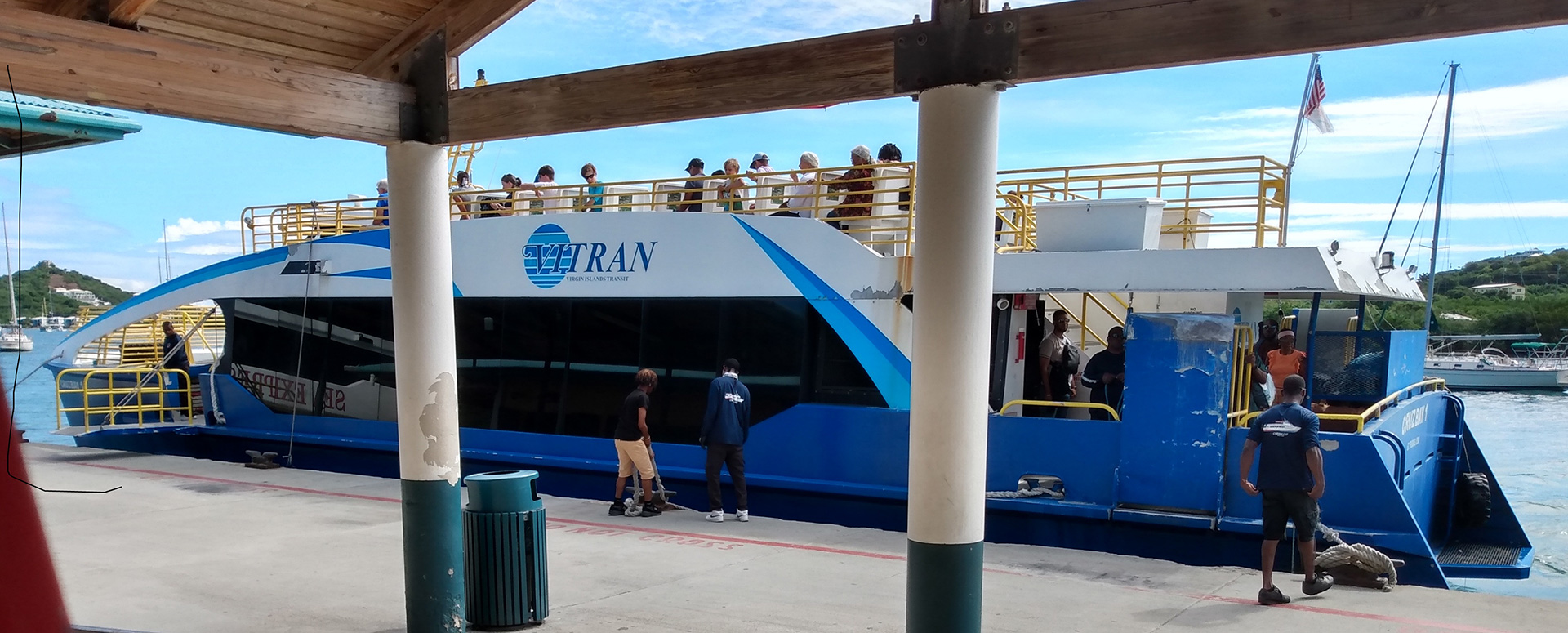
Getting around the Virgin Islands is shaped by geography. Because the islands are spread across the Caribbean Sea, transportation often involves a combination of ferries, short flights, boats, and local road travel. Understanding how transportation works before you arrive can significantly reduce travel time and help you build a smoother itinerary.
This guide focuses on practical differences between the United States Virgin Islands (USVI) and the British Virgin Islands (BVI), and the most common ways travelers move within and between islands depending on their travel style.
Which Transportation Option Is Right for You?
Transportation becomes much easier once you know how you want your trip to feel. Use the guide below to match your travel style to the most practical approach.
- Best for first-time visitors: Choose one base island and use short transfers (car/taxi + occasional ferry day trips).
- Best for beach-first trips: Stay close to key shorelines to reduce daily driving and rely on short, simple transfers.
- Best for island-hopping: Plan around ferry routes and water taxis, with accommodation near transfer points.
- Best for sailing-focused itineraries: Use marinas as your anchors, and treat boats as the main mode of transport (especially in the BVI).
- Best if you want minimal planning: Pick one island, avoid frequent crossings, and keep transport needs simple.
USVI vs BVI: Key Transportation Differences
Transportation planning varies between the USVI and BVI. In the USVI, travelers often choose one base island and explore nearby areas by car or short boat trips. In the BVI, movement is more commonly built around ferries, water taxis, and sailing routes.
These differences affect accommodation choice, daily planning, and how much time you spend in transit. For base selection, see Hotels in the Virgin Islands.
Arriving in the Virgin Islands
Flights and Main Arrival Points
Most travelers arrive in the Virgin Islands via international or regional flights into the main airports serving the USVI and BVI. From there, onward travel may involve short flights, ferries, or boat transfers depending on your destination island.
If your itinerary includes both the USVI and BVI, factor in extra steps for crossing jurisdictions. Entry documentation and border-related planning are covered in Visa & Entry Requirements for the Virgin Islands.
First Transfers: Ferry Connections and Boat Transfers
After arrival, many travelers connect to their destination island by ferry or boat transfer. Ferries typically link the main hubs, while water taxis provide more flexible point-to-point options.
This “first transfer” step is one of the most common places where trips feel rushed, so it helps to plan arrival timing and accommodation location with transportation in mind.
Moving Between Islands
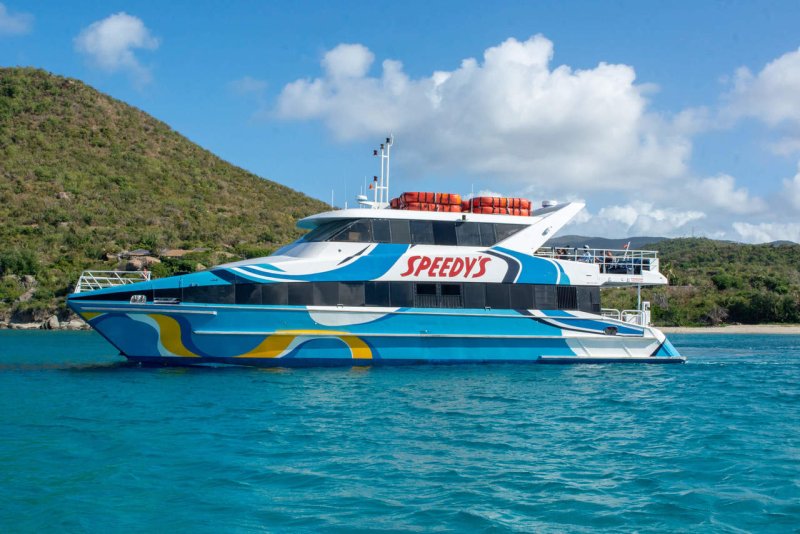
Ferries
Ferries are a key part of transportation in the Virgin Islands, especially for travelers who want to explore more than one island. Ferry travel is particularly central in the BVI, where island-hopping is a core travel style. In the USVI, ferries are often used for short day trips or specific connections rather than daily commuting.
Water Taxis
Water taxis provide flexible transfers between islands and coastal points. They are useful when you want to avoid fixed ferry departure times or when your route involves smaller islands and bays.
Short Regional Flights
Some itineraries use short regional flights to connect islands or simplify travel time. This can be useful when you want to reduce the number of sea crossings or align travel with limited vacation days.
Getting Around Within Islands
Car Rentals
Renting a car is one of the most practical ways to explore the USVI, particularly on islands where beaches, viewpoints, and towns are spread out. Roads connect most major areas, so it’s easy to combine beach time with dining and activities in a single day.
Taxis and Shared Vans
Taxis and shared vans are common for airport transfers, short trips, and beach access. These work well if you prefer not to drive or if your itinerary is built around one main town area.
Road Conditions and Daily Driving
Roads in the Virgin Islands vary by island. Main routes are generally paved, while smaller roads can be narrow and winding. Distances may be short, but terrain can make travel feel slower than expected, so plan conservatively when combining multiple stops.
Public Transportation
Public transportation is limited and not typically the most efficient option for structured sightseeing. Most travelers rely on rentals, taxis, or private transport instead.
How Transportation Shapes Your Itinerary
Transportation works best when planned alongside accommodation and activity choices. If your trip is beach-focused, staying close to key shorelines can reduce daily travel. If your plans involve multiple islands, choosing accommodation near ferry terminals or marinas can simplify logistics.
For activity-based planning, refer to Things to Do in the Virgin Islands and Beaches in the Virgin Islands.
For practical planning habits and on-the-ground considerations, see Travel Tips for the Virgin Islands.
Next Steps
Transportation planning and entry requirements go hand in hand—especially if your itinerary crosses between the USVI and BVI. Continue to Visa & Entry Requirements for the Virgin Islands to confirm documentation, entry rules, and what to prepare before crossing jurisdictions.
If you plan to visit both the USVI and BVI, read the visa and entry page before booking inter-island transfers, so your itinerary stays smooth and you avoid avoidable border-related delays.