
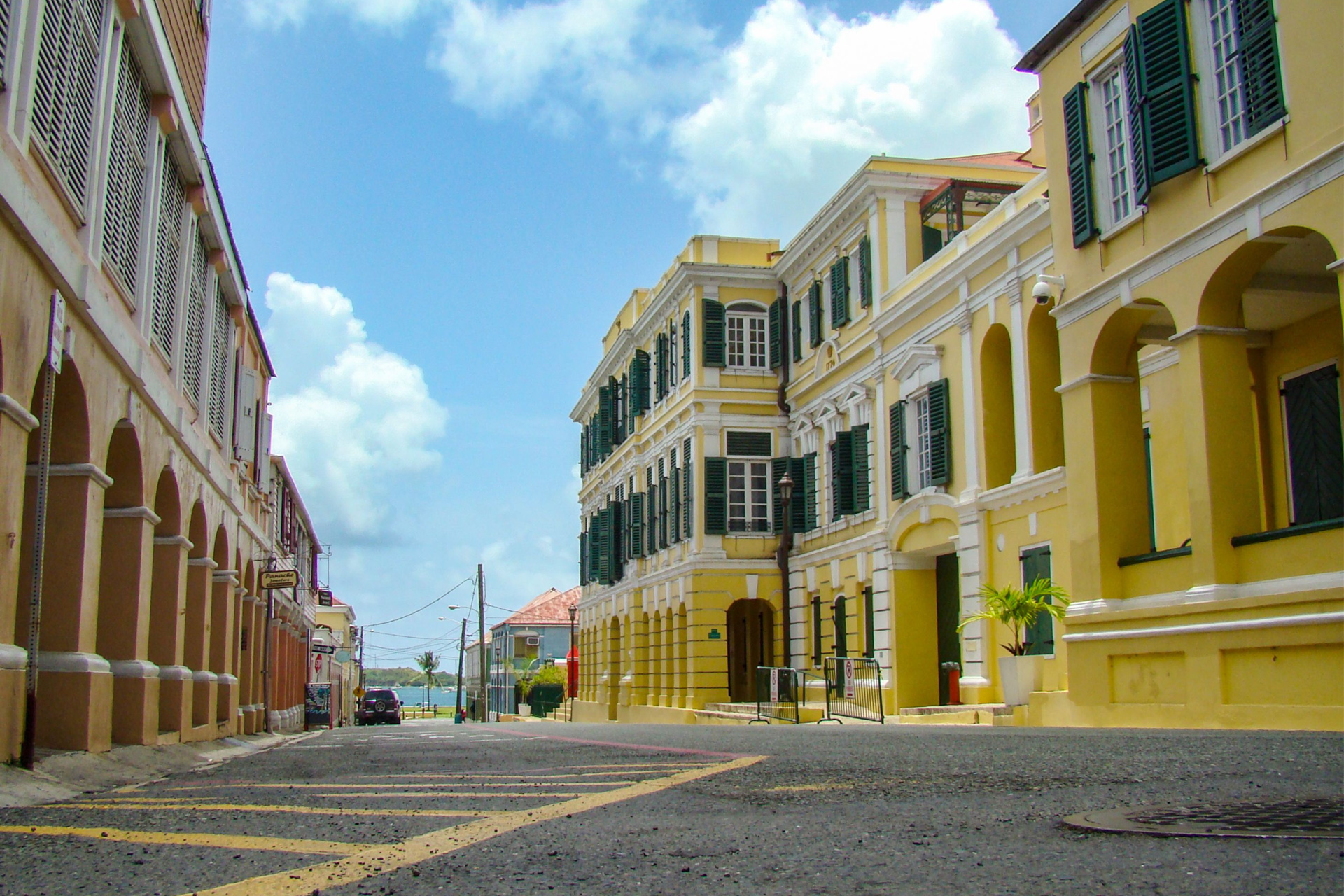
Traveling in the Virgin Islands is generally straightforward, but the experience becomes much smoother when you understand how island life, transportation, and local expectations work together. Small planning decisions—such as where you stay, how you move between islands, and how much you plan per day—can make a noticeable difference in how relaxed your trip feels.
This guide focuses on practical travel habits rather than rules or checklists. The aim is to help you adapt to the islands’ pace and avoid common planning mistakes, whether you are visiting one island or combining multiple destinations.
Plan Around Island Distances, Not Just Maps
Distances in the Virgin Islands may look short on a map, but travel time can be affected by terrain, ferry schedules, and local traffic patterns. Roads are often narrow and winding, and sea crossings require coordination with schedules and weather conditions.
When planning daily activities, it helps to group experiences by area rather than trying to cover multiple regions in one day. This approach keeps your schedule flexible and reduces unnecessary transit time.
Choose a Base That Matches Your Trip Style
Selecting the right base island and accommodation can simplify nearly every part of your trip. Travelers who prefer convenience often choose a central base with good transport links, while those seeking a quieter experience may opt for smaller islands or less developed areas.
If you are still deciding where to stay, review Hotels in the Virgin Islands alongside Top Destinations in the Virgin Islands to see how location affects daily planning.
Understand Transportation Before You Arrive
Transportation is one of the most important planning factors in the Virgin Islands. Depending on your itinerary, you may rely on a mix of car rentals, taxis, ferries, water taxis, or boats. Understanding which options apply to your trip helps prevent last-minute stress.
Travelers planning to move between islands should pay particular attention to ferry connections and transfer timing. For a detailed overview, see the Transportation Guide for the Virgin Islands.
Allow Extra Time for Inter-Island Travel
Moving between islands often takes longer than expected due to border checks, ferry schedules, and limited daily departures. Planning transfers earlier in the day provides more flexibility if delays occur.
This is especially important if your itinerary includes both the USVI and BVI. Entry considerations are explained in Visa & Entry Requirements for the Virgin Islands.
Pack for a Relaxed but Active Environment
Most activities in the Virgin Islands are casual and outdoor-oriented. Lightweight clothing, comfortable footwear, and sun protection are essential. Evenings tend to be relaxed, so formal attire is rarely needed outside of special occasions.
Because activities often involve beaches, boats, or short walks, packing with flexibility in mind allows you to move easily between different environments throughout the day.
Money and Payments in the Virgin Islands
Day-to-day payments in the Virgin Islands are generally straightforward, but expectations can vary by island and setting. Cards are widely accepted in hotels, restaurants, and larger businesses, while smaller vendors, taxis, and local services may prefer cash.
Travelers moving between the USVI and BVI should be aware that payment habits can differ slightly, especially in smaller locations. Carrying a mix of card and cash helps avoid unnecessary inconvenience during your trip.
Payment habits and daily costs often vary by location and activity, making flexible budgeting more effective than fixed daily estimates.
Understanding Daily Costs
The overall cost of travel in the Virgin Islands reflects island logistics, imported goods, and seasonal demand. Rather than focusing on exact prices, it helps to plan your days around experiences and locations that match your comfort level.
Grouping activities by area, choosing accommodation close to your main interests, and balancing dining options throughout your stay can help keep daily spending predictable without limiting your experience.
Practical Contacts and Local Assistance
In most situations, hotels, guesthouses, and local hosts are the first point of contact for assistance or advice. They can help with transportation coordination, local services, and general guidance.
For emergencies or official matters, follow local instructions and use established services. General safety considerations and situational awareness tips are covered in Safety in the Virgin Islands.
Assistance procedures may differ slightly between the USVI and BVI, especially when crossing borders or coordinating inter-island transport.
Respect Local Pace and Customs
Island life in the Virgin Islands moves at a slower rhythm than many visitors are used to. Service may feel less rushed, and schedules can be more flexible. Adapting to this pace helps create a more enjoyable experience and smoother interactions with locals.
A friendly, patient approach goes a long way, especially when dealing with transportation, dining, or small local businesses.
Safety and Situational Awareness
The Virgin Islands are generally safe for travelers, but basic precautions apply as they do in most destinations. Being aware of your surroundings, securing personal belongings, and following local advice contributes to a worry-free trip.
For a more detailed overview, see Is the Virgin Islands Safe for Tourists?.
Balance Planning with Flexibility
While planning is important, leaving room for spontaneous decisions often leads to the most memorable experiences. Weather conditions, local recommendations, and ferry availability can all influence how your days unfold.
Travelers who plan one main activity per day and leave the rest of the schedule open often find it easier to adapt and enjoy the islands’ natural rhythm.
Next Steps
With practical travel habits in mind, you can now focus on shaping your daily experiences. Use Things to Do in the Virgin Islands to plan activities and Beaches in the Virgin Islands to choose shorelines that match your pace and interests.