
HUNGARY · BUDAPEST GUIDE
Best Time to Visit Budapest
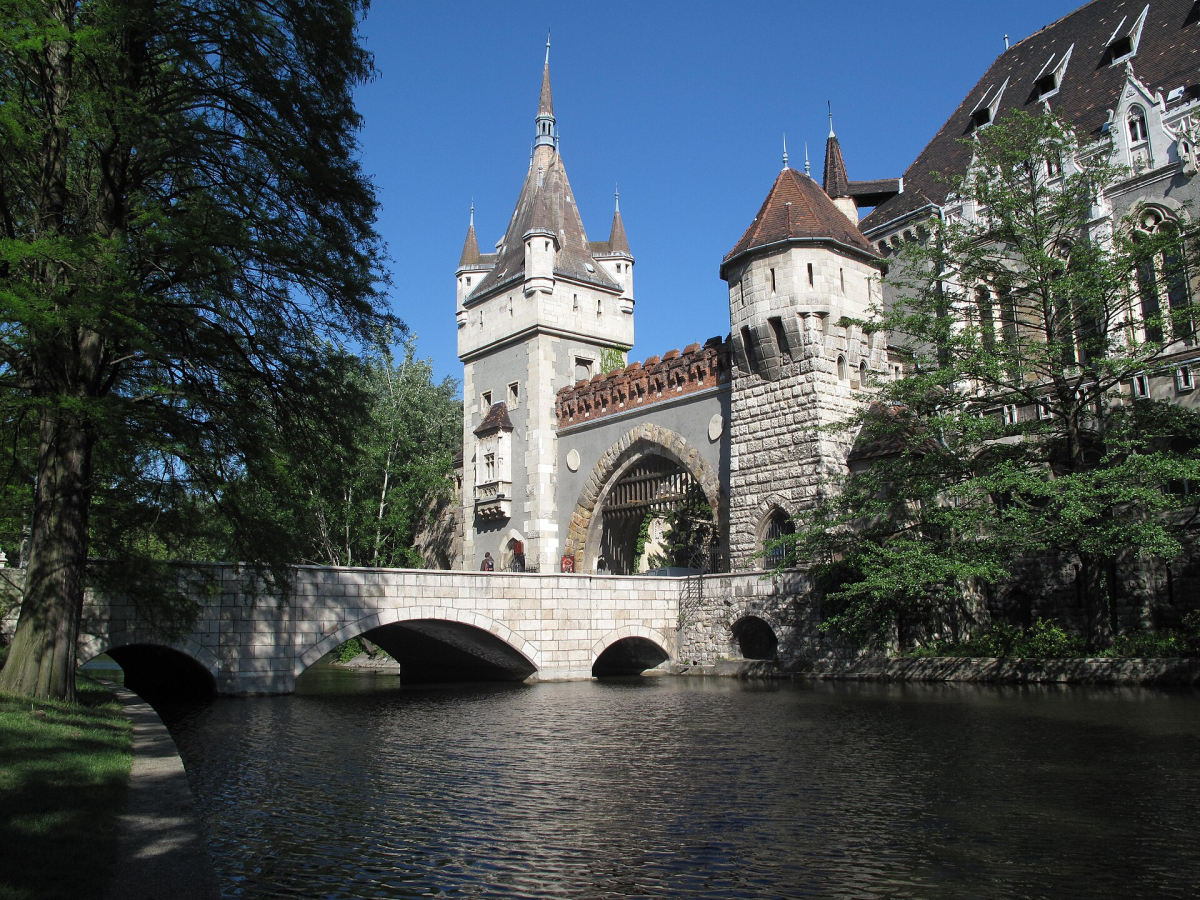
Choose the season for the trip you want to take. If long walks are the main attraction, spring or early autumn gives you more flexibility than a plan built around the hottest summer afternoons. If your priorities are museums, opera and cafés, winter can work well provided you accept shorter daylight and keep the outdoor route compact.
Budapest by season
| Season | Why choose it | What to plan around |
|---|---|---|
| Spring: March–May | Growing daylight and comfortable walking opportunities | Changeable weather, rain and holiday crowds |
| Summer: June–August | Long evenings, outdoor venues and seasonal swimming | Heat, storms, busy sights and higher demand on event dates |
| Autumn: September–November | Walking, culture and changing park colours | Shortening days and colder, wetter spells later in the season |
| Winter: December–February | Museums, performances and atmospheric city evenings | Cold, wind, possible icy surfaces and shorter outdoor days |
Spring and autumn for walking
Build the day around a morning walk and an indoor alternative nearby. A wet Castle Hill route is less forgiving than the flat map suggests, while exposed river viewpoints can feel colder than streets farther from the water. Layers and shoes that grip are more useful than packing for a single average temperature.
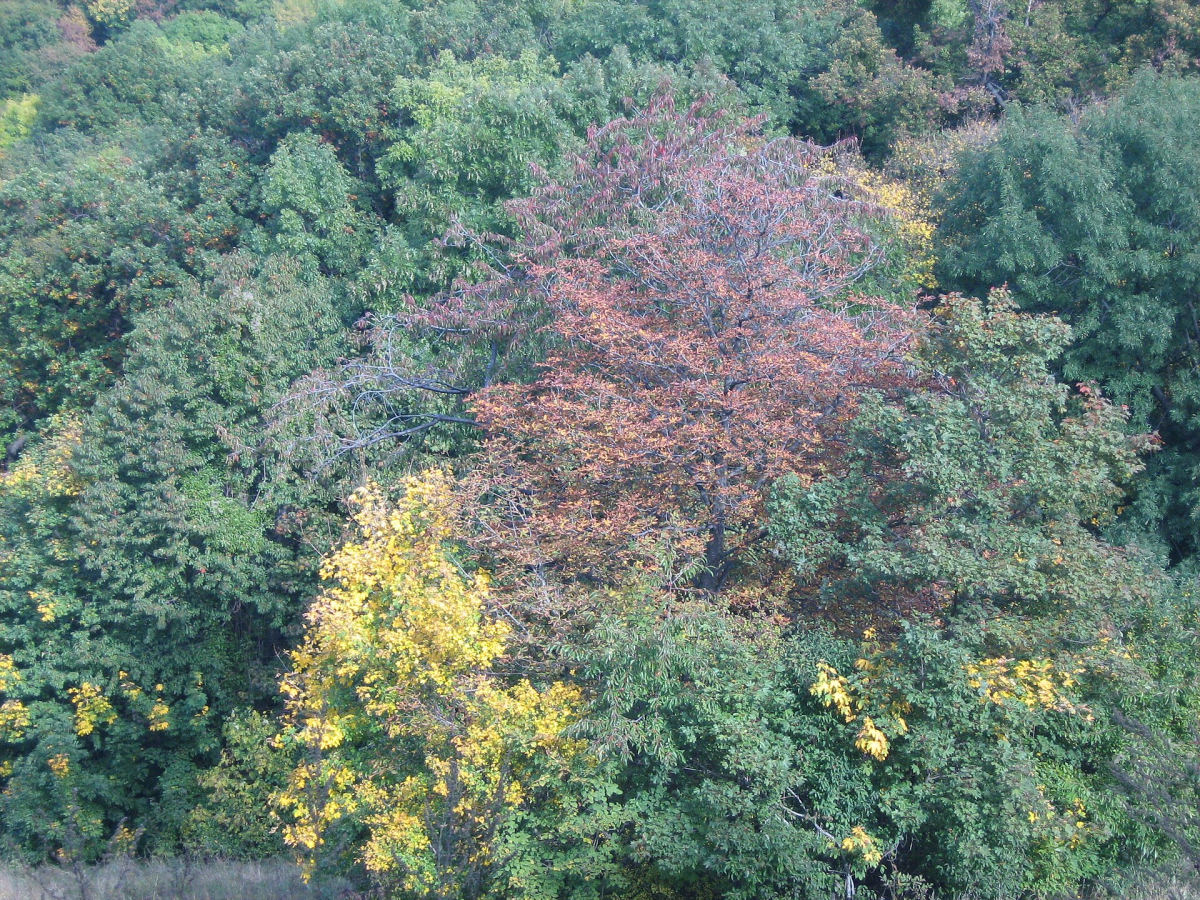
Park colour and blossom timing depend on the year; do not book a trip around a photograph of one particular week. Use Photos & Photo Spots for compositional choices that still work if the leaves or sky do not match your expectation.
Summer: heat, water and late evenings
Put the exposed waterfront and climbs early or late in the day, and leave a museum or rest block for the hottest hours. Carry drinking water and check the day’s forecast before a longer walk in the hills. A thermal bath, a lido and a designated river beach are different experiences with different rules.
Római-part swimming is seasonal and limited to the officially opened area. The tourism article describes a past season, so its dates are not a current opening guarantee. Check the operator or municipality before travelling there to swim. See beaches and outdoor activities for the planning distinction.
Winter: make daylight count
Reserve the brightest part of the day for river views or Castle Hill, and put longer indoor visits later. A photograph of steam above a bath does not mean the changing facilities, every pool or every age group is available. Széchenyi’s normal admission is for ages 14 and above; Gellért Bath remains closed.
Outdoor Christmas events are date-specific. Check the actual organiser’s programme before booking a trip around a market. Keep warm-up stops in the plan and allow more time when steps or cobbles are wet, icy or covered in snow.
Match dates to demand
A concert, school holiday, major sports event or national holiday can affect rooms and transport even if it is not the reason for your visit. Read Festivals & Events and compare your exact hotel dates. For example, the verified 2026 Liszt Fest runs 8–22 October; that is a specific programme, not a standing date for future years.
For weather-dependent bookings, read the operator’s cancellation and rescheduling terms. A rain forecast does not automatically cancel a river cruise, and a scenic view is not guaranteed by a ticket. Use Itineraries to keep one outdoor block movable.
Sources & planning updates
Practical information checked on 16 October 2026. Recheck opening times, temporary closures and the conditions for your travel date with the relevant operator.


