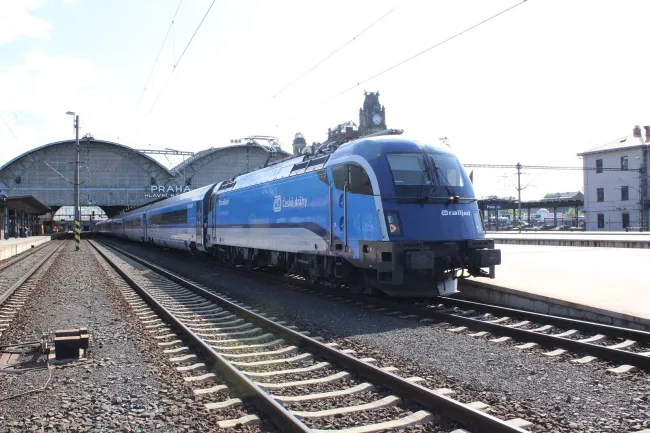
Start with the bases and actual addresses, then compare the complete route. This page covers arrival gateways, public transport and the decision between modes. Use BKK for the current Budapest airport service and Car Rentals for rental and driving checks. Each part of the journey has a clear place in the plan.
Match the mode to the journey
| Journey | A useful starting option | Main advantage | Check the weak point |
|---|---|---|---|
| Budapest to a regional centre | Compare rail and intercity bus | Arrive without city parking or a rental desk | The actual station and last connection to the hotel |
| Several towns on one corridor | Public transport with deliberate bases | Settled travel without paying for a parked car | Frequency and the cost of repeated last-mile transfers |
| Dispersed villages, vineyards or trailheads | A car, a booked transfer or a guided outing | Access to places beyond convenient scheduled services | Driver, return journey and the complete cost |
| Moving between Balaton shores | Compare the road route and a suitable ferry | A crossing can fit a particular itinerary | Terminal access, weather and onward transport |
| A Budapest sightseeing stay | Walking and BKK services | Useful city connections without a car | The ticket's actual coverage and the final walking route |
Choose an arrival gateway for the whole route
Compare Budapest Ferenc Liszt International Airport, BUD, with Debrecen International Airport, DEB, when a suitable flight serves the part of Hungary you want. Check the actual operating date and the first overnight base before choosing the cheaper ticket. A seasonal route or charter offer should not be assumed to have a frequent year-round onward service.
Budapest can work for a first city stay and onward regional travel. Its 100E Airport Express and regular-network connections solve different arrival needs; use BKK's airport connection information for the current ticket and transfer comparison, and the Budapest guide for the city stay. For a regional train after landing, identify the actual departure station and include the cross-city journey where needed.
Debrecen deserves comparison for an eastern itinerary when the flight fits. The airport's public-transport information directs visitors to its bus timetable. Check the connection for your arrival, then the final route to the accommodation. A convenient flight into Debrecen does not complete the separate journey to a Hortobágy visitor site.
International rail can also fit a Hungary holiday beginning in another connected European city. Read the arrival station and the onward connection conditions on the actual ticket. Keep a first-night city stay as an option when a late arrival would otherwise lead to an uncertain rural transfer. Allow for border formalities where applicable, luggage and the walk to the departure point; scheduled arrival is not the moment you will be ready to leave the terminal or platform.
For an early departure home, build the final journey backwards from the carrier's check-in requirements. Compare a final night near a useful connection with a long same-day rural transfer. Save the address and provider contact offline, confirm late check-in and leave the first evening's meal simple when arrival is late.
Trains: search the exact date and station
Use MÁV's journey and ticket service to compare a route for your date and departure time. Read the station names, changes and any engineering information before choosing. A train marketed as fast between major stops may still leave an inconvenient last stage for your particular hotel.
Budapest has several important stations. Do not assume an arrival at one automatically makes the next train from another an easy connection. Include cross-city transport, the walk to the platform and enough reserve when buying separate tickets. Save the station name in Hungarian as well as the itinerary summary.
For regional travel, consider how the arrival time affects the day. A midday move leaves part of the afternoon for settling in; a late arrival may depend on reception, a taxi and a restaurant still serving. Price those consequences alongside the rail fare instead of comparing the train in isolation.
Tickets, seat reservations and passes are different
Read the conditions attached to the actual train and fare. Some services require a seat reservation or supplement in addition to the underlying travel entitlement. MÁV's online ticket information explains how ticket and reservation details appear in the purchase process.
Hungary and county products have different areas and conditions. A 24-hour product is not automatically equivalent to a longer-duration pass, and a product's national name does not establish coverage on every urban service. Use MÁV's current application guidance and the local operator's rules for the products you intend to combine.
A practical comparison starts with the journeys you will actually make. Add individual tickets and required reservations, then compare a pass that genuinely covers the same travel. Do not buy a pass simply because its name sounds comprehensive. Concessions may depend on age, status and documents; enter the real passenger details and retain the evidence required for inspection.
Intercity buses: compare the town stop, not just the town
Buses can be useful where the road connection is more direct or the destination is away from rail. Search the precise stop and read the dated service notes. A stop beside an attraction and the town's main bus station may be quite different walking journeys.
Check how tickets are bought and presented for the selected service, whether a reservation is required or possible, and the luggage arrangement. Follow the operator's current instructions rather than assuming a process you used in another country applies. Keep the correct ticket available offline where the issued format permits it.
For a rural outing, identify the return before taking the outward bus. Compare the last comfortable departure with a later emergency fallback rather than planning every excursion around the very last service. If there is no useful return, choose another activity, a transfer or a closer base before committing.
Lake Balaton: work from the shore you chose
Begin with the particular town and the accommodation address. Rail access to a shore does not make every beach, peninsula viewpoint and hill village equally convenient. Group local activities so that the day does not repeatedly cross the same long section of the region.
The Szántód–Tihany ferry is a separate transport choice from scheduled passenger boats or sightseeing cruises. BAHART's official service information provides the current search and notices. Check the vehicle or passenger product, terminal locations and operating conditions rather than treating every boat symbol on a map as the same service.

A crossing can simplify a route when both onward approaches make sense. It can also add waiting or leave you farther from the actual destination than expected. Weather, water conditions and the dated timetable matter. Keep an alternative when a boat journey connects to a time-critical reservation or return train.
Regional connections that deserve extra attention
For Eger, locate the hotel and any countryside appointment separately. The historic centre, a cellar area and an upland trail can require different local approaches. Things to Do helps decide which activity justifies that extra journey, while the itinerary page gives the overnight structure.
For Pécs, a cultural city stay can work without a car, but Villány, Harkány and a Mecsek trail are separate transport decisions. Compare the complete outward and return connection. Avoid booking a late wine appointment before establishing a non-driving way back.
For Debrecen and Hortobágy, choose the actual visitor site and meeting point. A national-park label covers a landscape, not a single station exit. Ask the park or activity provider about the arrival arrangements before choosing a public-transport service that reaches only the nearest settlement.
Budapest city travel belongs to the city guide
Use the existing Getting Around Budapest page for the city's practical network decisions. Check BKK's visitor information for tickets, validation, concessions and service changes. An airport-special fare is a separate issue from ordinary city travel.
When a country journey begins or ends in Budapest, give the city stage enough attention. Save the arrival platform, onward station and accommodation entrance. Check the exact late-night connection instead of assuming daytime services continue unchanged. A short taxi for one difficult stage may be worth comparing with a hotel chosen solely to avoid it.

Luggage, bicycles and step-free travel
Choose luggage you can manage during transfers and keep aisles and doors clear. Check the selected train or bus's rules for large items, bicycles and mobility equipment. A bicycle may need a specific reservation or carriage arrangement; the fact that a town has cycle routes does not establish space on every departure.
For step-free travel, confirm the entire chain: station entrance, platform access, vehicle boarding, interchange and the route to the accommodation. Ask the operator about assistance and notice periods where required. A low-floor vehicle on one stage does not guarantee that every other stage is usable.
Book the practical arrangement for your needs and keep a contact number if a disruption changes it. For a family, consider whether carrying a folded pushchair and luggage through several changes is worthwhile. Sometimes one fewer base or a different departure provides more value than a small fare saving.
Build a connection that survives an ordinary delay
Record the date, departure point, journey duration, changes, ticket conditions and final approach. Check for works or disruption again shortly before departure. Save the itinerary and the provider's contact details without relying entirely on mobile reception at a rural stop.
Keep the last long regional move away from an early international flight when the consequences of a delay would be significant. A protected through journey and separate reservations may have different conditions; read them before paying. Travel Costs & Money helps compare the full bill, and itineraries helps reduce unnecessary moves.
Hungary transport questions
Is rail always better than the bus?
No. Compare the dated route, stop locations, changes, luggage and final approach. The most useful mode is the one that fits the whole journey.
Does a Hungary pass include every reservation and city ride?
Do not assume that. Check the precise product's coverage, supplements, reservation rules and urban validity with the issuing and local operators.
Can I use a Balaton ferry as a guaranteed connection?
Check the dated operation and leave a reserve. Weather and service conditions can affect crossings. Choose an alternative when an onward booking is time-critical.
When is a car worth adding?
Consider it for dispersed places that are difficult to connect by scheduled transport. Compare its full cost and the driving responsibilities with a transfer or guided outing; do not add it automatically to a city stay.
Planning information checked: . Recheck the linked operator notices for changes before booking.