
UNITED ARAB EMIRATES · DUBAI GUIDE
Responsible Travel in Dubai: Culture, Wildlife and Everyday Choices
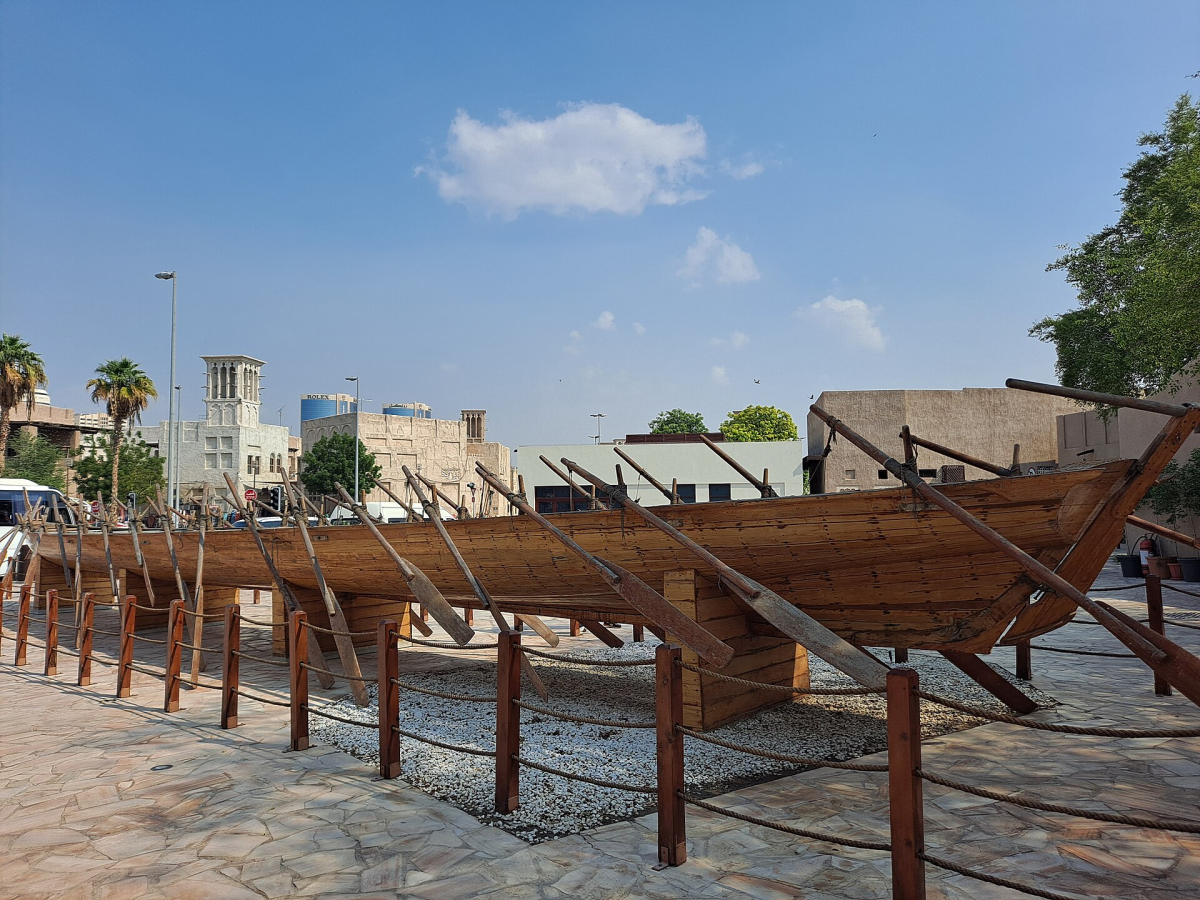
Responsible travel in Dubai is a series of practical choices: use a manageable route, respect the people who live and work in the city, protect fragile outdoor places and ask what an activity really involves before buying it. A label such as “eco” or “authentic” is useful only when the provider can explain the actual practice behind it.
Choose the parts of this guide that affect your itinerary. The aim is to make a better-informed visit, whether the day involves heritage streets, a beach, a hotel or a guided desert outing.
Respect people and the setting you are visiting
Ask before photographing identifiable people, especially in working streets, markets and personal or family settings. Give staff and other visitors space to decline. A scene can be visually striking without being an invitation to make a person the subject of a photograph or online post.
Follow the venue’s rules in religious, cultural and public settings. Check dress and photography requirements before arrival, and leave entrances and access routes clear. Heritage areas remain places where people work and move around, not sets arranged only for visitors. Learn enough of the context to distinguish an old building, a restored district and a modern interpretation rather than presenting all three as the same historic evidence.
Keep wildlife and protected places undisturbed
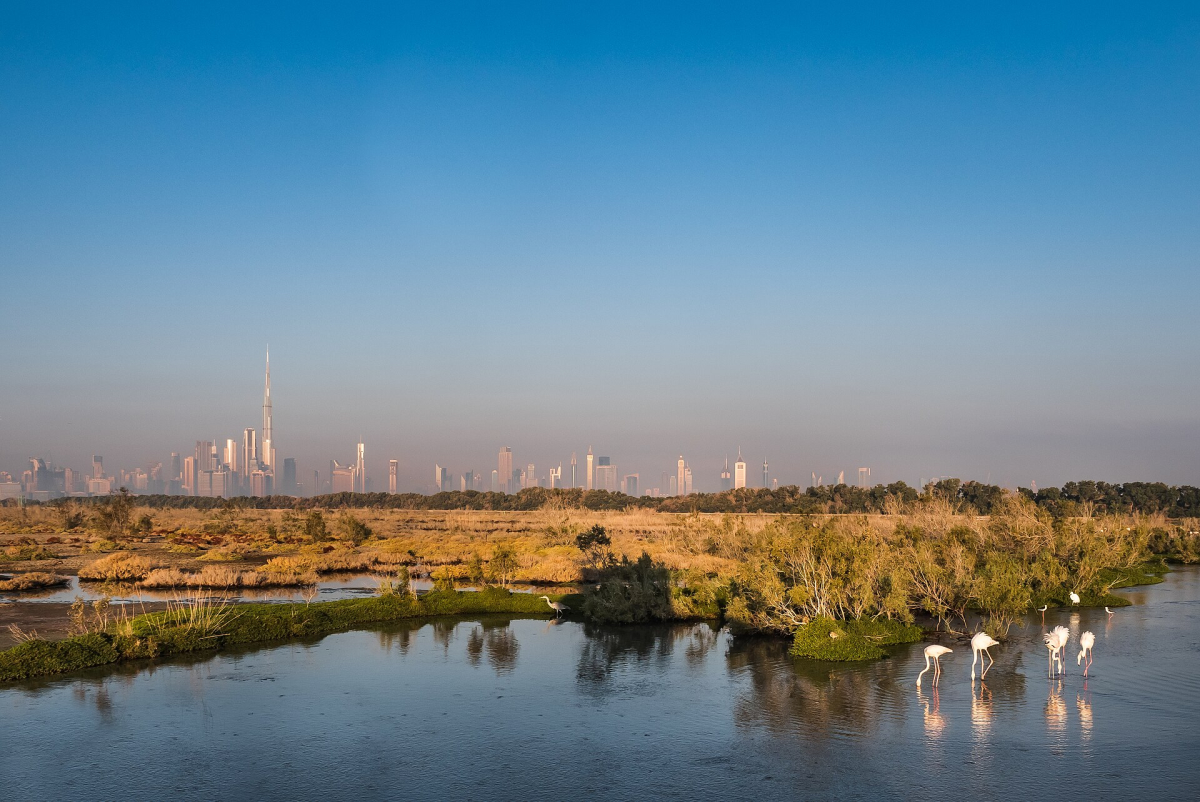
At Ras Al Khor and other protected areas, stay on the authorised route and follow hide instructions. Dubai Municipality prohibits approaching or harming wildlife, damaging vegetation, collecting natural material and creating disturbance. Keep noise down and respect closed areas; a better photograph is not a reason to pass a fence or disrupt a bird.
Check individual access conditions rather than assuming every part of a reserve is available. At the 2 November 2026 research check, the Municipality booking page marked Ras Al Khor’s Mangrove Hide temporarily closed while listing other hides separately. Choose a legal, operating viewpoint and accept that wildlife sightings are never guaranteed. The Parks & Outdoor Activities guide covers practical visit choices.
Question the actual desert and animal programme
Compare a wildlife-oriented drive, dune-bashing package, camp dinner and animal activity as different products. Ask where the excursion goes, who operates it, what permissions apply and how visitors are briefed. The Dubai Desert Conservation Reserve’s own website points to approved excursions; a seller’s use of “conservation” does not establish access to that reserve.
For any animal encounter, ask about handling, rest, supervision and whether you can decline a photo or ride. Avoid activities that depend on provoking, chasing or restraining wildlife for entertainment. Choose an alternative if the provider cannot explain the welfare arrangements. Do not take a standard hire car into dunes or assume a scenic location permits unrestricted off-road driving. Use Desert Safaris to compare the actual visit style.
Reduce waste without compromising heat preparation
Carry a reusable bottle and use an identified drinking-water refill point when available. Dubai Can is a city initiative to reduce single-use plastic bottles through refill facilities. Check the current location and condition of a station and carry enough water for the route; an old map is not a reason to set out without a reliable supply.
Use the hotel’s towel and linen choices thoughtfully, switch off unnecessary lights and avoid leaving cooled air escaping through open doors. Report a leak or faulty fixture to staff. Take rubbish back to an appropriate bin, and keep waste out of beaches, water and desert areas. A refillable bottle or a hotel sustainability claim is one useful action, not proof that the whole trip has no impact.
Choose a workable route and purposeful spending
Group places by area and use rail where the complete journey is suitable. Reducing repeated cross-city transfers can improve the visit as well as reduce unnecessary travel. Do not replace a sensible transfer with an unsafe exposed walk in the heat; good planning includes health and access needs.
Make space for locally rooted food, culture and businesses when they match your interests. Ask about the product, ingredients or maker rather than treating every souvenir as locally produced. Confirm the price and what is included before agreeing. In a market, keep bargaining courteous and accept that fixed-price venues operate differently. Food, crafts and guided interpretation can add context to a trip without requiring a purchase at every stop.
Read sustainability claims with specific questions
On small screens, swipe or scroll this table horizontally. Keyboard users can focus the table area and use the arrow keys.
| Claim or choice | What to ask |
|---|---|
| Hotel sustainability label | Which scheme, what period and which actual practices does it cover? |
| Conservation excursion | Which location and permission, and who is the operating provider? |
| Animal experience | How are welfare, handling and rest managed, and can participation be declined? |
| Local product | Where was it made, who made it and what material is used? |
Dubai’s tourism authority describes a sustainability stamp linked to specified hotel requirements. Check the current property-level evidence rather than inferring certification from a leaf icon. For photography, keep the real place, date and access context clear; see Photo Spots for a responsible shooting plan.
Travel Tip
Before paying for an experience, ask one concrete question about its place, people, wildlife or operating practice. A clear answer is more informative than a broad promise of sustainability.
Sources and Current Checks
Editorial sources checked on 2 November 2026. Recheck live booking, operating and travel conditions for your dates.
Frequently Asked Questions
Does every desert safari enter a conservation reserve?
No. Confirm the actual itinerary, operator and permissions. A marketing description alone does not establish access to the Dubai Desert Conservation Reserve.
Can I go beyond a bird hide for a clearer photograph?
Follow the authorised route and restrictions. Do not cross fences, enter closed areas or disturb wildlife for a photograph.
Should I rely entirely on public refill stations?
Use identified drinking-water points when available, but carry enough water for the actual route and conditions. Check current locations rather than relying only on an old map.
Does a hotel sustainability label tell me everything?
Ask which scheme and current practices it covers. A specific certification can help a comparison, but it does not replace checking the actual property and your needs.


