
UNITED ARAB EMIRATES · DUBAI GUIDE
Dubai Food & Drink: Emirati Dishes and What to Order
Eating in Dubai means both discovering Emirati cooking and recognising a much wider international food culture. The two should not be confused: a dish can be a Dubai favourite without being uniquely Emirati. Use this page to understand dishes, ordering and hospitality. For a place to sit down, the separate Dubai Restaurants guide compares actual venues and the kind of meal each suits.
Start with an Emirati Menu
Emirati food reflects coastal life, the desert and trading connections. Rice, fish, meat, dates and fragrant spices recur, but recipes and availability differ by family and restaurant. Rather than looking for one definitive national tasting plate, order a small set that gives you different textures and parts of the meal.
On small screens, swipe or scroll this table horizontally. Keyboard users can focus the table area and use the arrow keys.
| Dish or drink | What to expect | Useful question |
|---|---|---|
| Machboos | Spiced rice with meat or fish | Which protein and portion size are served? |
| Harees | A slow-cooked wheat-and-meat dish | Is it available today, and does the recipe suit my diet? |
| Regag | Thin bread with different possible toppings | What is added to this version? |
| Balaleet | Sweet vermicelli often paired with egg | Is the egg included and how large is the serving? |
| Luqaimat | Fried sweet dumplings with a syrup topping | How many are in the portion? |
| Qahwa | Arabic coffee associated with hospitality | How is this preparation flavoured? |
The names can be romanised differently on menus. Ask staff to explain a dish rather than assuming a spelling difference means a different recipe. None of these descriptions is an allergen statement; the actual kitchen must confirm ingredients.
Explore an Emirati Breakfast: Breads and Balaleet
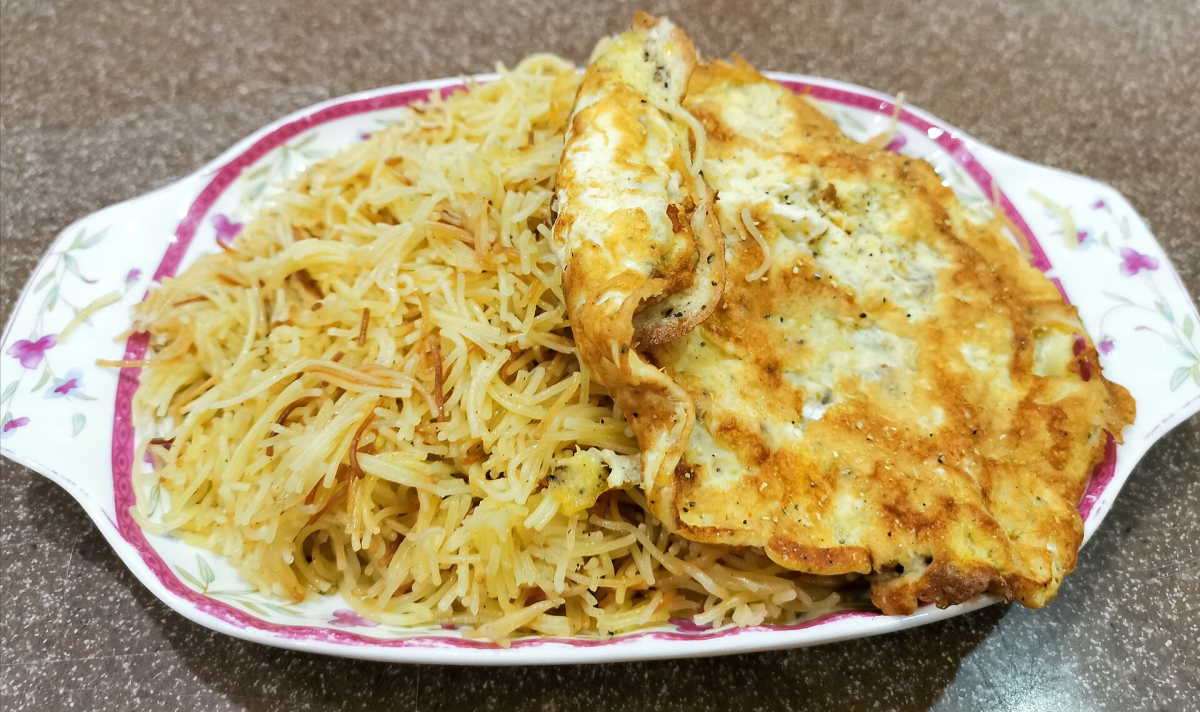
An Emirati-style breakfast is a good introduction if you want several small flavours rather than a large rice dish. Khameer, chabab and regag offer different bread textures; balaleet brings a sweet-and-savoury combination. A breakfast set can be convenient, but inspect what is included before ordering additional bread, eggs and drinks on top.
Choose according to appetite and the rest of the day. Two people can ask whether a sharing set is intended for them rather than guessing from the photograph. If a long outdoor heritage walk follows, build in a comfortable start and drinking water rather than treating a large meal as a substitute for heat planning. Some breakfast items may only be offered during a particular service, so confirm the actual menu.
Choose One Main Dish Before Adding Sides
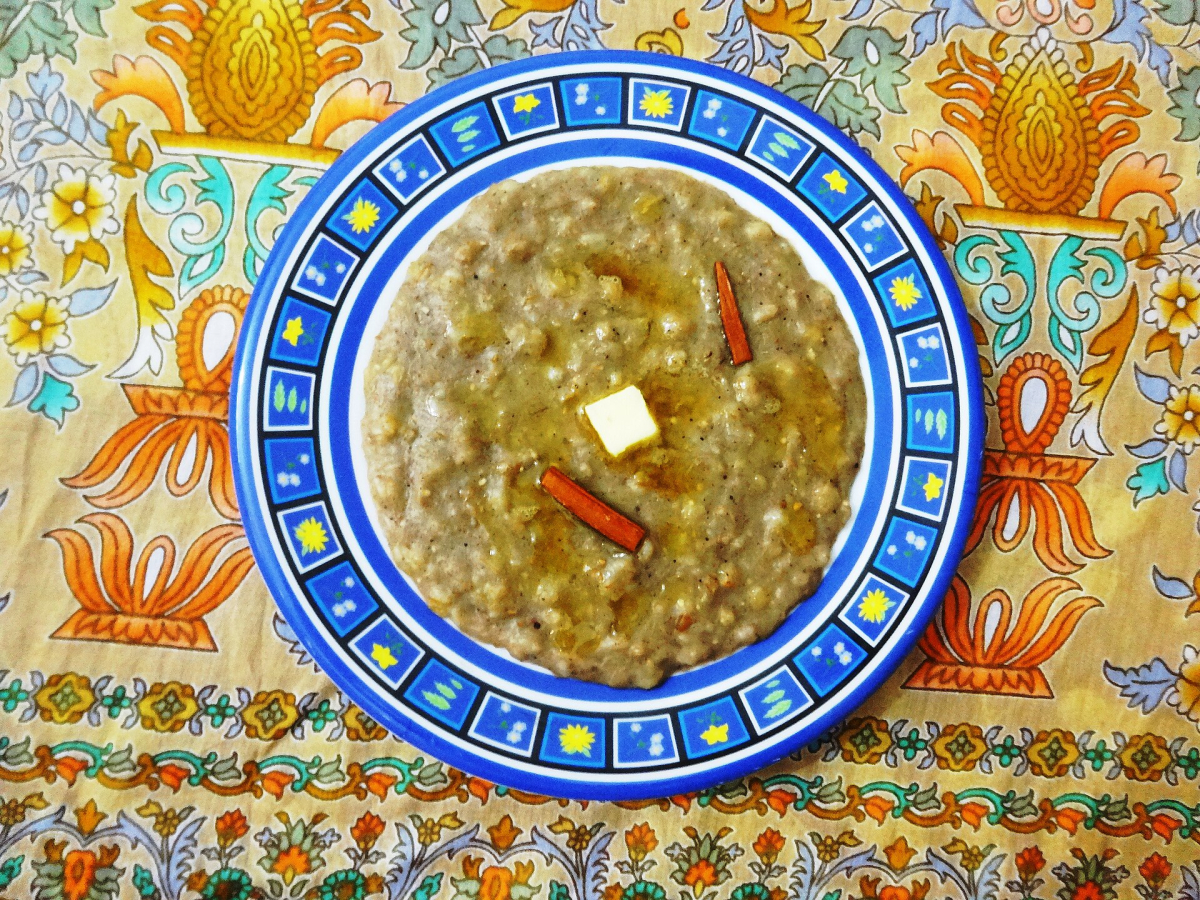
Machboos provides a straightforward starting point for rice and spice. Ask which meat or fish is used and whether the portion is designed for sharing. Harees offers a very different soft texture, while stews such as thareed can broaden the meal beyond another plate of rice. Not every restaurant offers every traditional dish every day.
If the menu is broad, choose one main dish and one contrasting accompaniment rather than several similar mains. Ask whether rice, bread, salad or condiments already come with the order. A seafood-market style restaurant may price by the selected fish or weight and preparation; clarify the total before it is cooked instead of comparing that order with a fixed-price dish elsewhere.
Coffee, Dates and a Small Sweet Finish
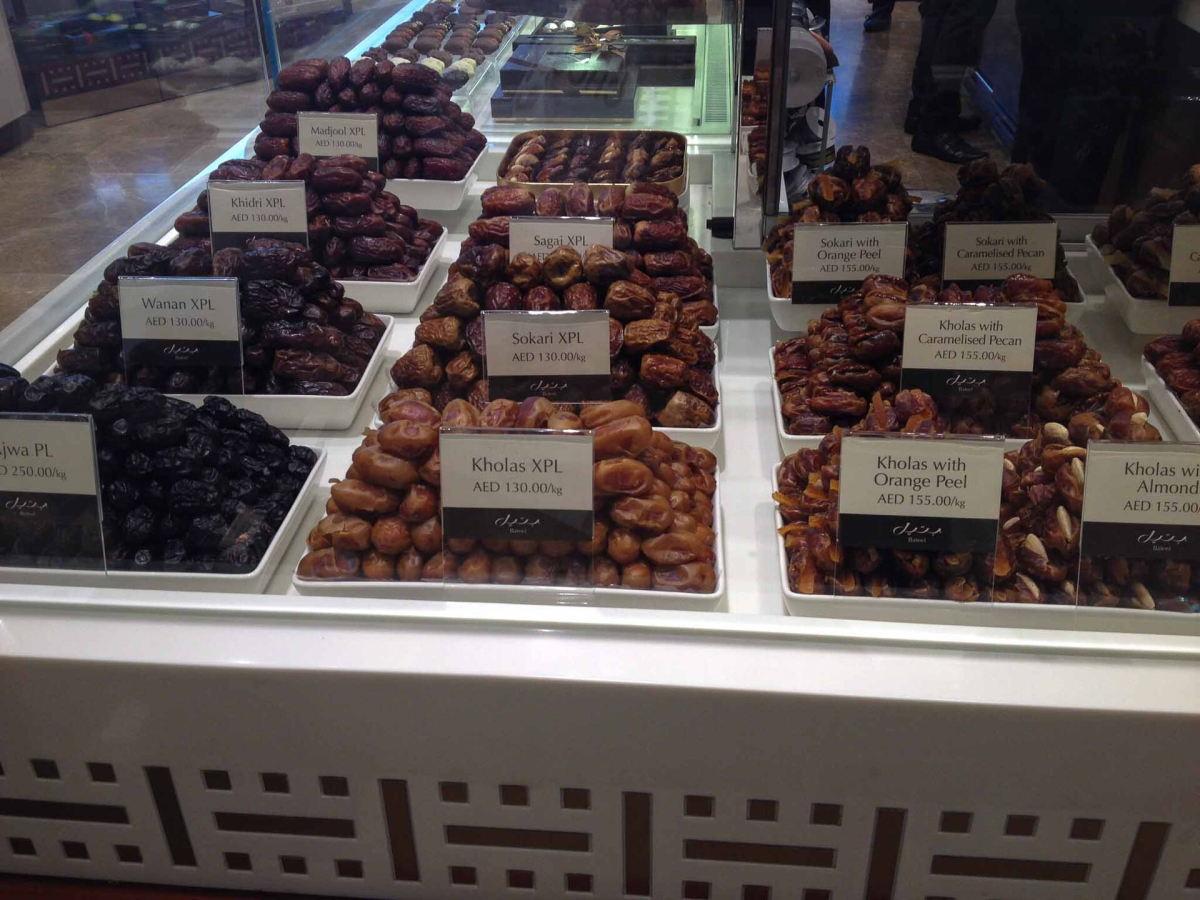
Qahwa and dates are associated with Emirati hospitality. Coffee can be served in small handle-less cups, with aromatic flavourings that differ from an espresso or a large milk coffee. Ask what is being offered if you are unsure; taking a little time to understand the service is more useful than memorising a rigid etiquette performance.
Luqaimat offers a sweet finish, usually with a syrup topping. Share a portion if the meal is already substantial, and ask about wheat, dairy or other ingredients when required. Other sweets found around Dubai come from a wider regional tradition: kunafa, for example, should not automatically be labelled uniquely Emirati simply because you eat it in the city.
Karak tea is another drink many visitors encounter. Check sweetness and milk if those matter to you, and distinguish it from qahwa rather than treating every small cup as the same local drink. Café menus can be a useful way to compare contemporary Dubai habits alongside a traditional meal.
Recognise the Wider Dubai Food Culture
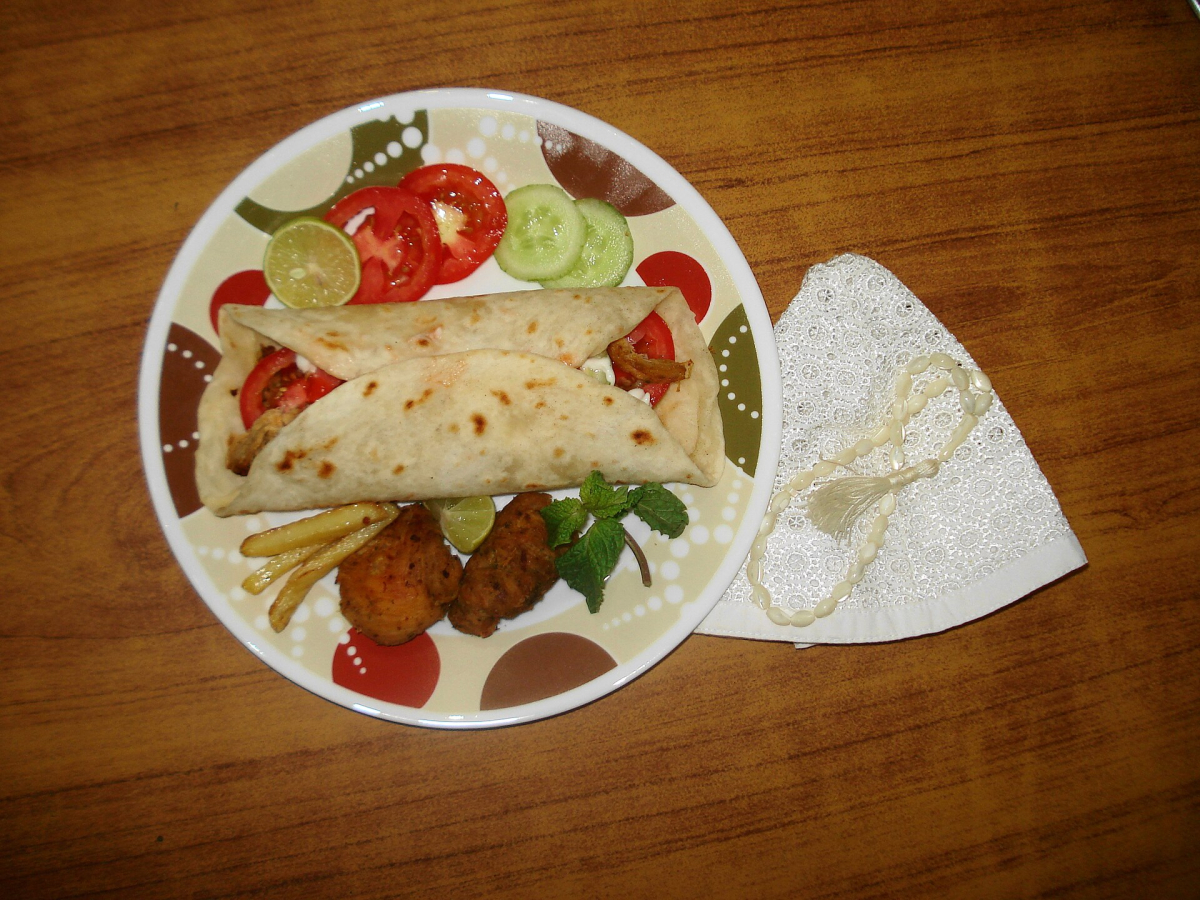
The city's restaurants reflect its international communities as well as Emirati food. South Asian, Iranian, Levantine and many other traditions contribute to daily eating. Use a cuisine's own name when it is known rather than flattening everything into an Arabic-food label. A grill, vegetarian meal or bakery can be a worthwhile part of a Dubai trip without claiming a local origin it does not have.
Choose one food area or venue around the rest of the day instead of crossing the city repeatedly for individual snacks. A Creek heritage outing, a contemporary restaurant booking and a casual meal near the hotel can each play a different role. Use the venue-selection guide for those decisions; this page focuses on what arrives at the table.
Ask Specific Dietary and Price Questions
For allergies, explain the ingredient and the severity to the actual restaurant and ask about shared equipment and cross-contact. A dish that looks vegetarian can contain stock, fish ingredients or ghee; a gluten-free-looking rice plate can be served with other ingredients. Do not treat a menu icon or a generic cuisine label as an individual safety guarantee.
Check whether a quoted price includes the complete dish, sides and mandatory charges, especially for a set menu, buffet, brunch or fish sold by weight. Drinks can change the meal total substantially. Decide whether the purpose is a quick meal, a cultural programme or a long restaurant experience before comparing prices; they are different purchases.
Plan Meals Around the Day
A booked cultural meal can combine food with an explanation of local traditions, while an ordinary restaurant lets you choose a more flexible pace. Check the actual date, language, seating and menu format for a hosted programme. During Ramadan and other special periods, individual venues can change their hours and service; use current listings rather than assuming the usual meal pattern.
For a relaxed first food day, try a regional breakfast, an ordinary lunch where your sightseeing takes you and one chosen dinner. Leave room for coffee or sweets without making every food stop compulsory. The best result is a set of meals you enjoy and understand, rather than a checklist of dishes eaten without appetite.
Travel Tip
Ask what is already included before adding sides. A single main dish, one contrasting taste and a shared sweet can introduce more variety than several overlapping full meals.
Sources and Current Checks
Editorial sources checked on 2 November 2026. Recheck live booking, operating and travel conditions for your dates.
Frequently Asked Questions
What should I try for a first Emirati meal?
A breakfast set or machboos main is an approachable start. Add a contrasting dish or bread and, if you have room, share luqaimat or coffee and dates. Check the actual restaurant’s menu and portions.
Is all Arabic food in Dubai Emirati?
No. Dubai serves many regional and international cuisines. Identify a dish’s tradition where known rather than calling every shawarma, kebab or sweet uniquely Emirati.
Is Emirati food always spicy?
Recipes differ. Ask about heat, aromatic spices and the actual preparation rather than assuming that a spiced rice description means strong chilli heat.
Can vegetarians and travellers with allergies eat traditional dishes?
There may be suitable choices, but ingredients and preparation must be confirmed with the kitchen. Ask specifically about stocks, dairy, egg and cross-contact rather than relying on the dish name.



