
UNITED ARAB EMIRATES · DUBAI GUIDE
Dubai History & Culture: Creek, Trade and the Modern City
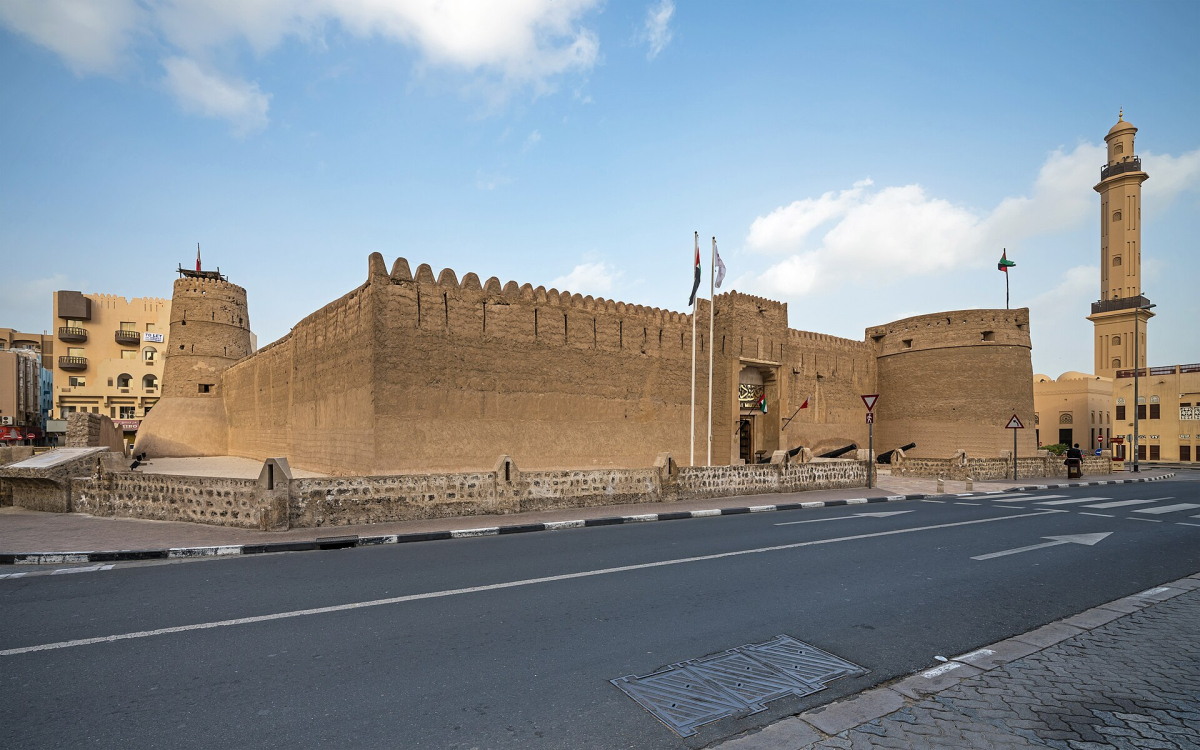
Dubai is easier to understand when its waterfront, trading communities and modern skyline are read together. The city is part of the United Arab Emirates, rather than a separate country, and its history did not begin with its skyscrapers. Use this guide for the connections between places; the Dubai museums guide helps you choose collections, and Dubai itineraries turns those choices into a wider trip.
Start with the Creek, Not the Skyline

Dubai Creek explains why the older city developed where it did. Waterborne trade connected the two banks and brought goods, skills and ideas through a regional port. The useful contrast is between a working waterway, its markets and the later expansion along the coast. Avoid reading the skyline as evidence that everything before oil was empty desert.
Make your first heritage visit a walk that includes both banks. On the Bur Dubai side, look at courtyard buildings and the relationship between lanes and waterfront; on the Deira side, consider the souks as commercial places rather than a stage set. An abra crossing is a connection between these districts, not a full historical explanation. Keep room for people carrying on their daily work, and ask before making close portraits.
A Short Timeline: Trade, Oil and Federation
Selected dates help separate Dubai's local development from the formation of the wider country. They are historical milestones, not claims that people or trade first appeared here in the nineteenth century. The Al Maktoum family's rule began in 1833; the later oil and federation dates describe different kinds of change.
On small screens, swipe or scroll this table horizontally. Keyboard users can focus the table area and use the arrow keys.
| Date | Milestone | How to read it |
|---|---|---|
| 1833 | The Al Maktoum family's rule in Dubai begins. | A political milestone in an existing coastal and trading setting. |
| 1966 / 1969 | Fateh oil field is discovered in 1966; production begins in 1969. | Discovery and production are separate events, not one instant transformation. |
| 2 December 1971 | Abu Dhabi, Dubai, Sharjah, Ajman, Umm Al Quwain and Fujairah form the UAE. | The initial federation has six emirates. |
| 10 February 1972 | Ras Al Khaimah joins the federation. | The seven-emirate UAE is completed after the 1971 founding. |
| 1979 | Dubai World Trade Centre opens. | An identifiable built landmark in the city's expanding international commercial role. |
Read the modern city as more than an oil story. The Creek's commercial role predates the offshore discovery, and later growth involved trade, transport, finance and tourism as well as energy. The 1979 Trade Centre landmark gives that widening role a visible reference. A heritage walk and a modern corridor visit therefore show connected phases of development, rather than an old city replaced without continuity.
Read Al Fahidi Through Its Buildings
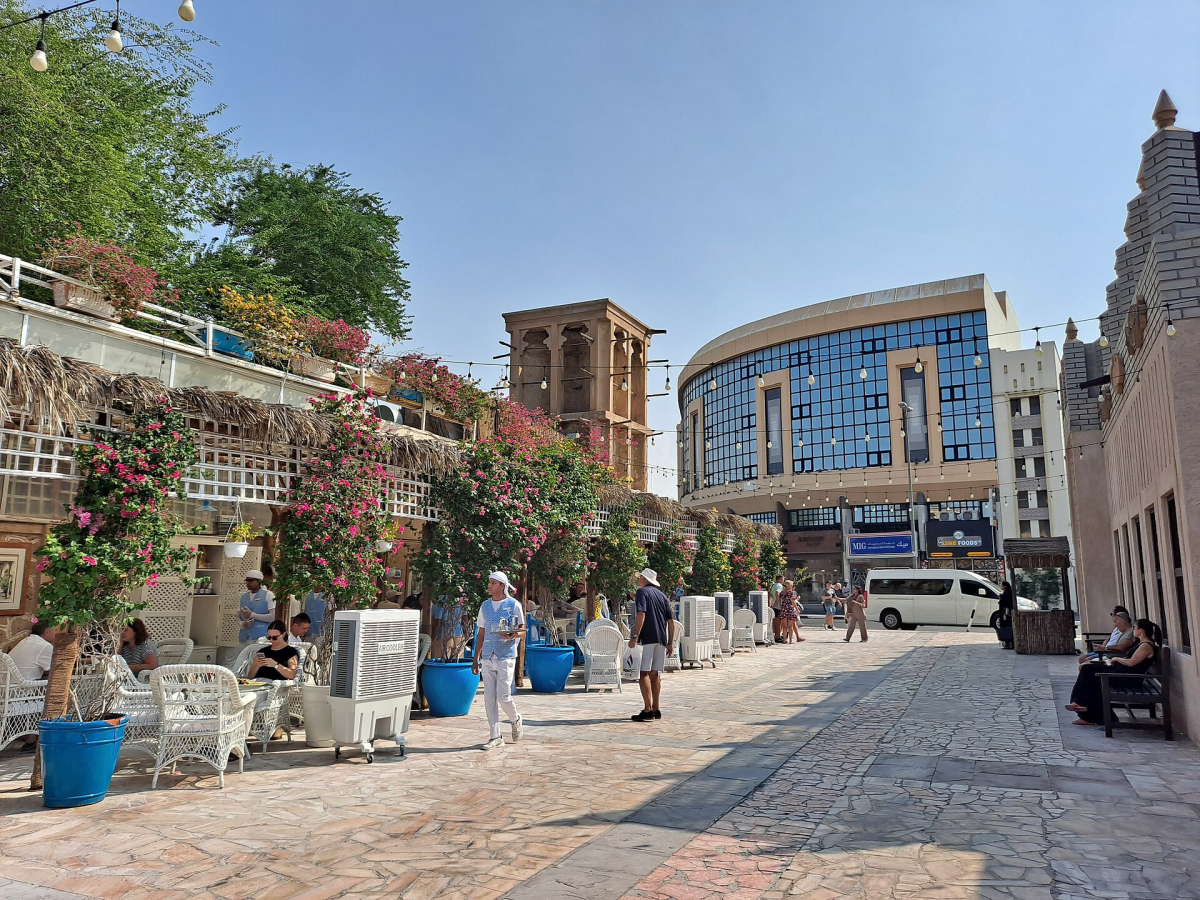
Al Fahidi Historical Neighbourhood is a useful place to examine the older city's scale. Wind towers, shaded lanes and courtyards offer a contrast with sealed, air-conditioned towers. The UAE Ministry of Economy identifies the district as a heritage area beside the Creek with museums, galleries and restaurants. That makes it a place to look closely and spend time, rather than tick off from a taxi window.
Distinguish surviving historic fabric, restored buildings and later heritage-inspired development. Al Seef offers a contemporary waterfront setting with an old-Dubai visual language; it should not automatically be described as an untouched historic quarter. Visit the two areas for different reasons. Inside any heritage building, check the individual programme and access rules rather than assuming that all doors open on the same schedule.
Place Dubai Within the UAE Story
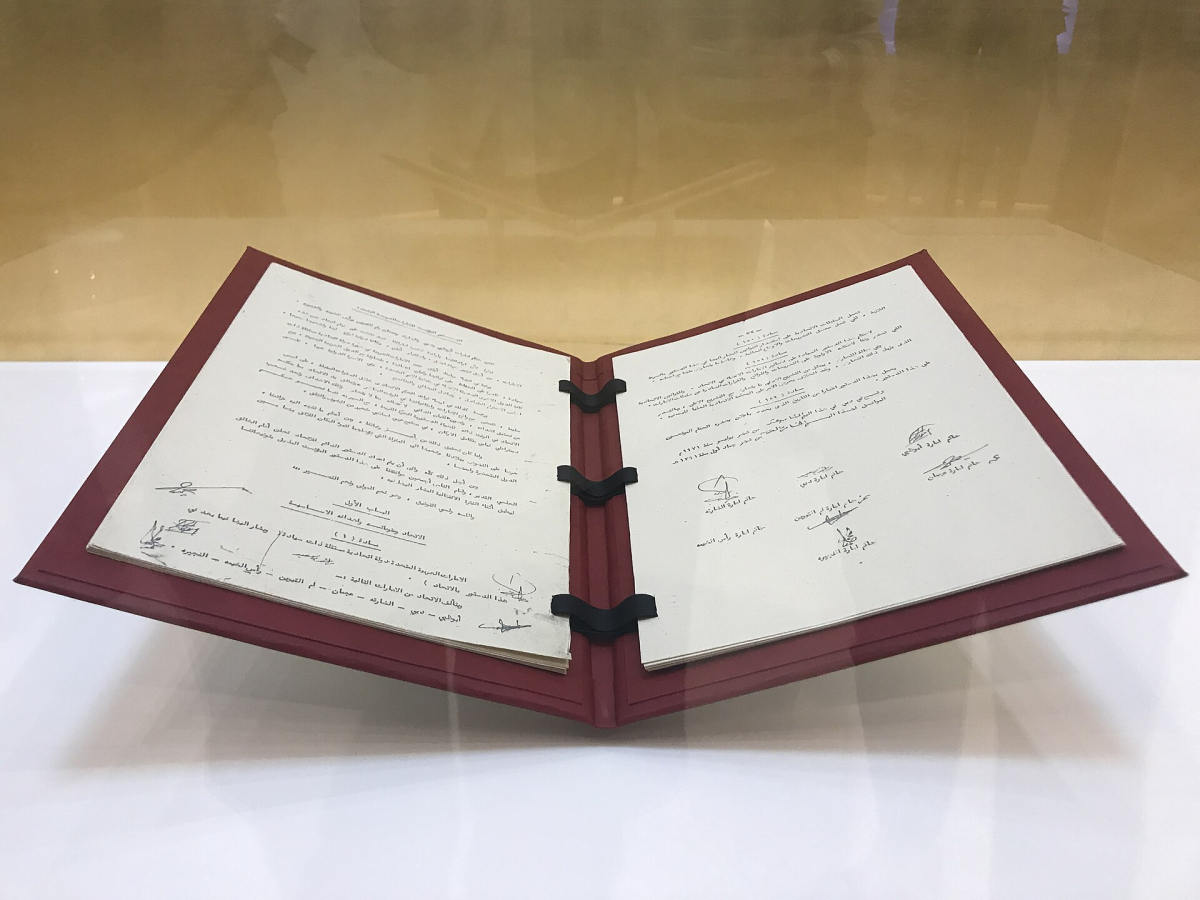
The 1971–1972 federation sequence in the timeline adds a national scale to the local Creek story. Etihad Museum addresses modern national history and the federation period. It complements a Creek visit because the questions are different: how trading life shaped Dubai, and how separate emirates formed a state. Read the dates and maps in context instead of treating the museum as another architecture viewpoint.
You do not need to collect every museum in one day. Select Al Shindagha for social and trading history or Etihad for the federation story, then use the collection comparison to decide whether a second museum genuinely adds something. A single carefully chosen visit, with time for the material, usually makes more sense than three short arrivals dominated by transfers.
Understand Living Culture Beyond Heritage Displays
Dubai's culture is also present in hospitality, language, food, religious practice and the lives of its international communities. Emirati culture and the city's wider dining and arts scenes overlap but are not interchangeable. A restaurant serving regional food is not necessarily Emirati; a contemporary cultural district is not a replacement for an explanation of local traditions.
A hosted cultural programme can be useful if you want to ask questions rather than guess at etiquette. Check the actual organiser, date, meal format and language before reserving. For independent visits, dress for the specific setting, respect prayer and worship, and ask permission before photographing people. Consult Food & Drink for dishes and hospitality, and Responsible Travel for practical conduct.
Build a Heritage Half-Day with a Clear Focus
Start on the Bur Dubai bank with Al Fahidi while outdoor conditions are comfortable. Add a single museum or cultural booking with a confirmed entry time, then decide whether to cross to Deira for the markets. Reversing the route is equally reasonable when your accommodation or booking lies on the other bank. The aim is one coherent area, not a claim that every stop lies minutes apart.
For planning, allow a half-day rather than squeezing heritage between two timed skyline attractions. That is an editorial allowance for walking, food and waiting, not a measured tour duration. In hot weather, shorten the exposed walk and prioritise the indoor visit. Use Getting Around for the real route, and check the venue directly if step-free access, seating or a quiet visit matters.
Keep Historical Claims Separate from Current Access
Old photographs, brochures and guidebooks can explain change without establishing today's opening conditions. Dubai Museum and Al Fahidi Fort are historically important, but this guide does not treat an older listing as confirmation of interior admission. Check Dubai Culture before planning around entry. Museum of the Future exhibitions were temporarily unavailable on the official site checked on 2 November 2026; an exterior architectural view is a different visit.
Use captions and signs to distinguish a historic scene from a current service. A photograph of a dhow does not guarantee a passenger cruise, and a heritage house shown in an archive is not necessarily open. This approach leaves space for the city's history without converting an attractive old image into misleading travel advice.
Travel Tip
Choose one question for your heritage visit: Creek trade and everyday life, the UAE federation, or architecture. That choice makes it easier to select a museum and avoid rushing between unrelated sites.
Sources and Current Checks
Editorial sources checked on 2 November 2026. Recheck live booking, operating and travel conditions for your dates.
- UAE Ministry of Economy — Al Fahidi
- UAE cultural map — Al Shindagha
- Visit Dubai — Etihad Museum
- Museum of the Future — current notice
- Dubai Government Media Office — leadership history
- Dubai Petroleum — discovery and production chronology
- UAE government — founders of the union
- Visit Dubai — city history timeline
Frequently Asked Questions
Is Dubai a country?
Dubai is an emirate and city within the United Arab Emirates. A visit can explore Dubai’s own history while also learning how it relates to the wider federation.
Is Al Seef the same as Al Fahidi?
No. Al Fahidi is a historical neighbourhood; Al Seef is a distinct waterfront district with heritage-inspired and contemporary development. They can fit the same outing but should not be described as the same place.
Which museum best explains Dubai’s history?
Al Shindagha is a strong starting point for social and Creek-related history. Etihad Museum addresses modern UAE federation history. Choose according to the question you want answered.
Can I visit the inside of Al Fahidi Fort?
Confirm current access with Dubai Culture before travelling. Historical importance and an online place listing do not establish that the interior is accepting visitors on your date.



