This guide compares local gifts, shopping districts and a craft-market route. It does not assume that a special tax framework guarantees the lowest retail price. Compare the final product, quality, warranty and destination rules before paying, especially for a substantial purchase or food gift.
Choose the recipient before choosing the product
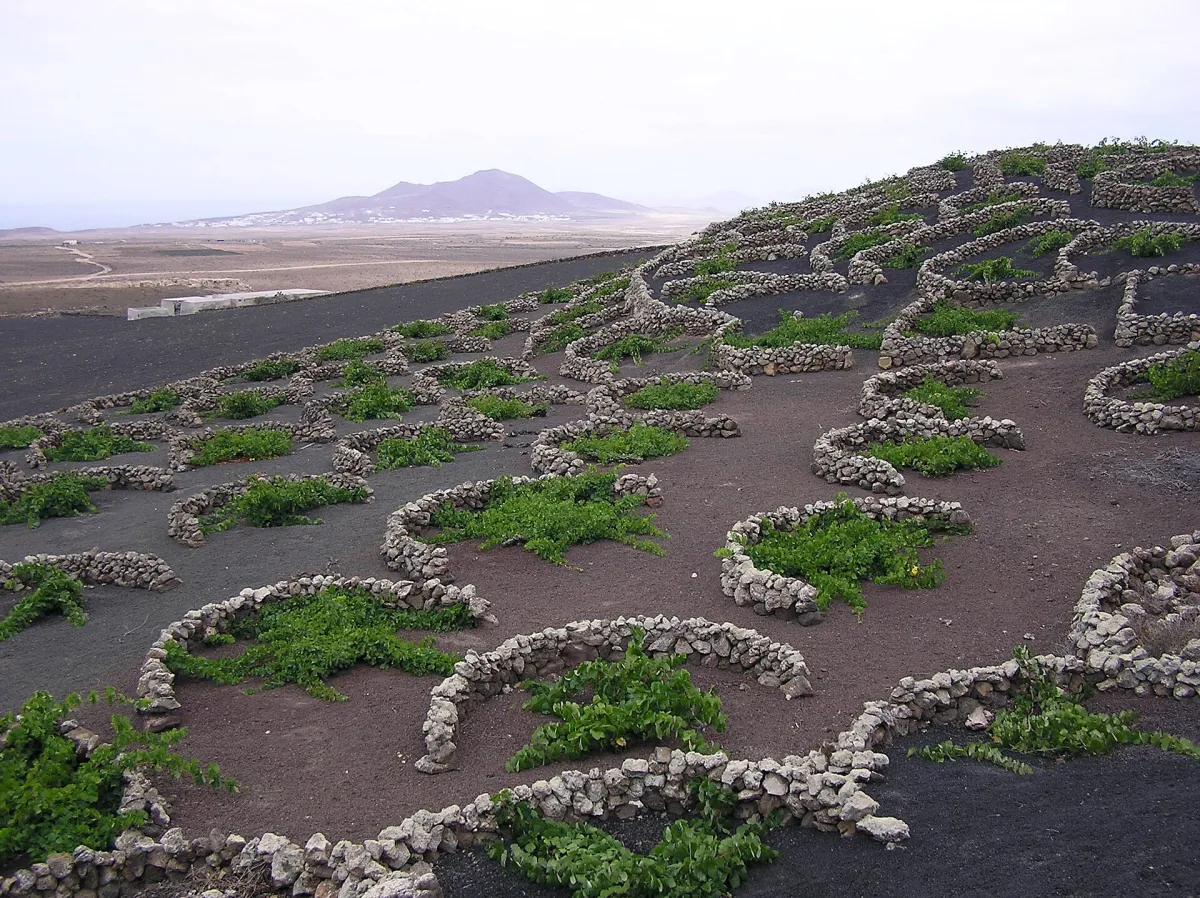
For a food enthusiast, look for the island, producer and style on cheese or wine labels. A recognisable regional name helps narrow the choice but does not replace the details of the particular item. Think about storage and whether the recipient can use it soon after arrival. Check destination rules before buying animal products, fresh foods or plants.
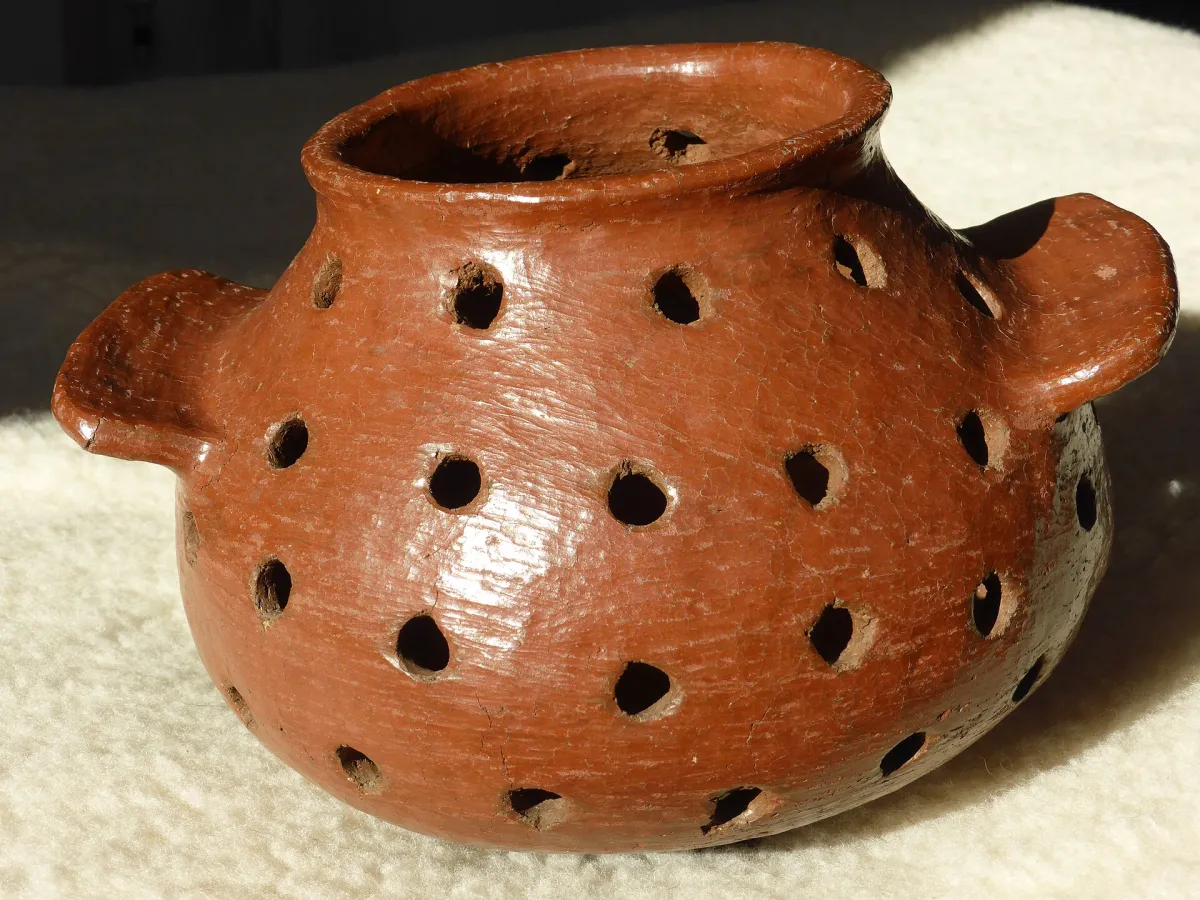
For someone who values a lasting object, compare pottery, basketry or textiles from an identifiable maker. Ask about the technique and material, and distinguish a decorative piece from one intended for food or daily use. A small, well-packed item may be a better gift than a larger object that cannot travel safely. Keep the maker’s details with it so that the story does not disappear when the packaging is removed.
For cosmetics, read the ingredient and manufacturer label rather than relying on aloe imagery or a “natural” slogan. Clarify the source claim, container seal and intended use. Choose a product appropriate to the recipient and the transport restrictions; a locally themed package is not by itself proof that the contents were grown or manufactured on the island.
City districts for practical purchases
In Santa Cruz de Tenerife, the Calle del Castillo area is useful to investigate for a shopping walk combined with the city centre. La Laguna offers a different historic-centre setting with independent shops mixed into the daily town. Choose the district that fits the visit instead of travelling across Tenerife for a single chain-store purchase.
In Las Palmas de Gran Canaria, compare Triana with the Mesa y López area according to the shops you need and the rest of the day’s route. A city district can combine several errands and a meal, while a resort shop may be the sensible answer for a forgotten beach item. Check a particular retailer’s opening day and stock if the purchase is the reason for the journey.
In Arrecife and the main Lanzarote resort towns, distinguish ordinary retail from a specialist maker or producer visit. In Corralejo, a surf-related purchase should be matched to the activity and equipment you actually use. Ask about fitting, returns and warranty where relevant. A holiday purchase is easier to assess when you compare the same specification and condition as you would at home.
Workshops and markets: make the encounter useful
El Cercado on La Gomera is a place to investigate pottery with a local context. Before travelling to a workshop, check whether visitors are welcomed and whether a demonstration requires an appointment. A maker’s working day is not the same as a scheduled visitor performance. Ask before photographing people or the production process.
At a market, distinguish a producer stall, an artisan selling their own work and a retailer offering imported goods. All can serve a purpose, but they are different purchases. A handmade-looking motif does not settle provenance. Ask respectfully, compare the material and finish, and avoid assuming that bargaining is expected at every craft stall. Accept a maker’s stated price or choose another item.
Payment, receipts and the complete price
Check accepted payment methods before making a substantial selection, particularly at a small stall. Keep a receipt with the seller’s details and the product description when returns, provenance or warranty matter. For electronics, compare the exact model, accessories, language or regional version and warranty territory; a lower ticket price can be a poor saving if the product is different.
Plan the shopping stop near the end of the day when purchases are perishable, heavy or fragile. Confirm packaging before paying, not at the airport. A bottle needs secure containment, a ceramic handle needs protection and a food product may need storage that a day of sightseeing cannot provide.
Choose local gifts by origin and quality
A meaningful souvenir comes with a clear answer to who made it and where. For cheese, wine, ceramics, basketry or a textile, ask for the island and producer rather than accepting a generic “Canarian” label. Local products can be excellent gifts, but their usefulness depends on the recipient, packing and the rules at the destination where they will be taken.
| Gift | Who may appreciate it | Quality or origin check | Transport consideration |
|---|---|---|---|
| Island wine | Someone interested in food and a named producer | Island, designation, grape and producer on the bottle | Leak-resistant packing, baggage rules and destination allowance |
| Cheese | A food enthusiast able to store it properly | Producer, milk, style and origin label | Storage needs and destination rules for animal products |
| Ceramics | Someone who prefers a lasting handmade object | Maker, technique and whether it was made locally | Protect edges and allow luggage space |
| Basketry or textiles | A recipient who values a usable craft | Maker, material and actual place of production | Check size, fragility and any material restrictions |
| Aloe-based cosmetic | Someone who wants a practical packaged product | Ingredients, manufacturer and source claims | Liquid restrictions, container seal and personal suitability |
A practical Lanzarote craft-market route
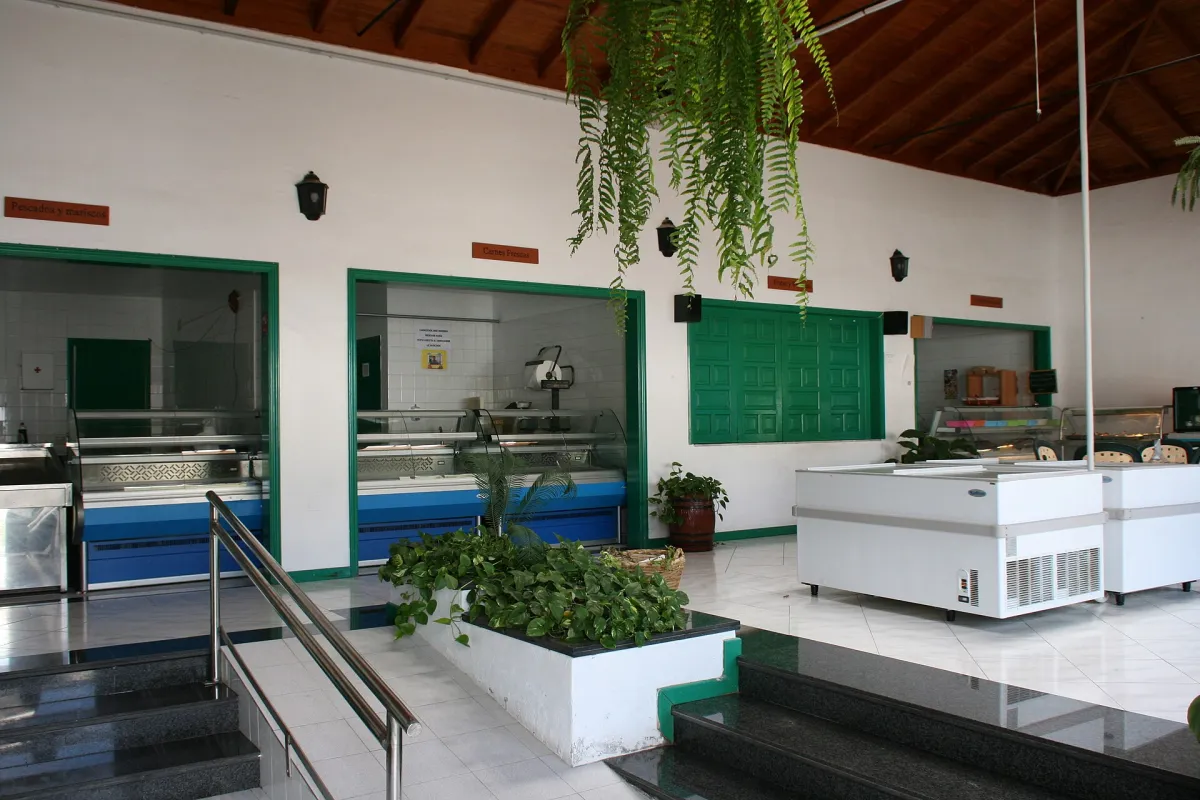
Haría is a useful place to investigate a craft-focused visit. The official island tourism site lists the Haría Artisanal Market in the central square on Saturdays. Check the current notice before setting out, particularly on a holiday or during unsuitable weather. A market listing is not a promise that a specific maker or item will be present.
Combine the market with a short town visit rather than planning an island-wide shopping circuit on the same morning. Ask an artisan about the material and technique, then compare the object with how it will be used at home. A lower-priced imported souvenir and a locally made piece are different purchases even when they share a motif.
The island's cultural centres can provide another route to crafts. The official Lanzarote craft overview explains the area's basketry, textiles and markets. Confirm the particular centre's opening and whether shop access requires a visitor ticket; do not assume a common arrangement for every site.
Two verified craft stops in Haría
The Cabildo’s artisan-sales directory identifies these outlets for craftspeople with its artisan accreditation. Use the address rather than assuming every souvenir stall in the town has the same provenance. The island tourism listing gives the market’s Saturday location; check the current notice before travelling.
| Outlet and address | Useful for | Before visiting |
|---|---|---|
| Mercado artesanal de Haría Plaza León y Castillo, 35520 Haría | Comparing several makers and asking about materials or origin | Saturday market; confirm the current programme and the maker’s attendance |
| Taller Municipal de Artesanía de Haría Calle Barranco de Tesnesia, 6, 35520 Haría | A named craft-sales stop rather than an unspecified resort souvenir shop | Confirm opening, visitor arrangements and the item you want; a directory listing does not guarantee a live demonstration or stock |
Keep the market visit focused on the northern town. A winery shopping visit in the island’s centre is a different outing, not an extra stop to squeeze into the same morning. For an appointment or a particular piece, contact the outlet first and retain the producer’s details with the purchase.
Choose a shopping area for the task
Use a city shopping district when you need several practical purchases, a food market when local ingredients are the priority, and a maker's workshop when the craft itself matters. A resort shop may be the most convenient place for a forgotten beach item, while a specialist gift may justify a separate visit. Avoid choosing a distant shopping centre solely because it is described as the largest.
For a workshop or producer visit, check whether an appointment is required and what language the visit uses. For a market, check the day and location. For a named product, ask about stock before making a long trip. Keep receipts, especially when provenance, returns or a substantial purchase are important.
Packing, allowances and price comparisons
The islands' tax framework is different from the mainland VAT system, but a lower tax does not guarantee the lowest final price or an unrestricted import allowance. Compare the exact model or product, warranty, condition and final price. For electronics, clarify the version, accessories and warranty territory before paying.
Check the rules at your home destination for food, plants, animal products, alcohol and tobacco. The Spanish tax agency's traveller allowance guidance includes arrivals from the Canary Islands. Different destination rules may also apply. Do not assume a shop's “tax free” sign settles all customs questions.