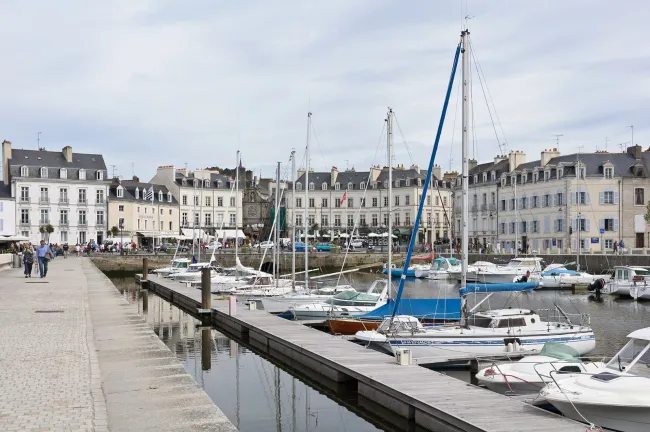
This is a planning guide rather than a live forecast. Use AEMET, Spain’s meteorological agency, for current forecasts and warnings. A monthly average cannot tell you whether a particular beach will be suitable for swimming or a mountain road will be open on your dates. The islands welcome visitors throughout the year, but no season guarantees ideal conditions for every activity.
Compare seasons by the holiday you want
| Period | Why consider it | What to check |
|---|---|---|
| December–February | A coastal winter break and cultural visits | Mountain conditions, rain or wind warnings, holiday demand and any pool heating |
| March–May | A mixed itinerary with walking, towns and beach time | Route altitude, local conditions, Easter dates and any controlled access |
| June–August | School-holiday beach stays and appropriately selected wind sports | Heat, UV, wind exposure and the suitability of the exact activity area |
| September–November | A beach-and-culture trip or an outdoor itinerary with flexibility | Actual sea state, changing forecasts, opening programmes and availability |
These periods are starting points, not a ranking. School holidays, local festivals and your departure market can affect demand independently of the weather. Compare the total cost for your exact dates and cancellation terms. “Shoulder season” is not a promise of empty beaches or discounted rooms.
North, south and altitude can change the same day
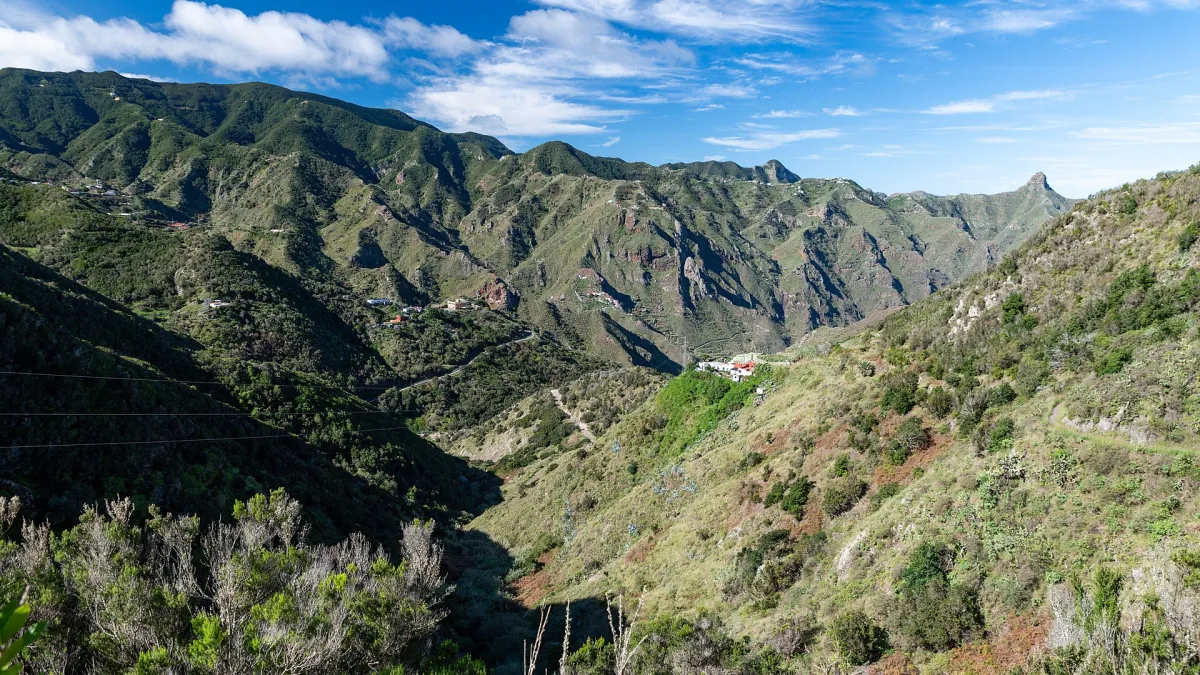
The higher islands have substantial differences between the coast, slopes and peaks. On Tenerife or Gran Canaria, a resort forecast should not be used as the forecast for a mountain outing. On La Palma and La Gomera, a coastal morning does not describe the cloud, wind or footing on a forest route. Look up the locality and height of the activity, then check the return route as well.
Trade winds and the orientation of slopes help explain why one landscape is greener or cloudier than another. The north–south contrast is useful background, but it is not a rule that every northern day is wet or every southern day is clear. Lanzarote and Fuerteventura also require attention to exposure: a beach on one coast can feel very different from another shore on the same island.
For a mixed itinerary, pack for the most demanding part of the outing. If the day combines a coast and a high viewpoint, carry layers rather than dressing only for the accommodation terrace. Keep the cultural alternative near enough to be useful if the mountain plan changes. Moving to an unfamiliar trail is not automatically a safe substitute for a closed route.
Beach weather and swimming weather are different
A comfortable afternoon on the sand does not establish suitable conditions in the water. Swell, currents, wind and the shape of the shore matter independently of the air temperature. Choose the exact beach and supervised area, then read the flags and local notices. A beach with a breakwater still requires a day-specific assessment.
For a family stay where daily water time is essential, check whether the accommodation has a pool and whether heating or seasonal operation matters to you. Do not infer a water temperature from a sunny photograph or assume that every hotel pool is heated. Ask the property about the relevant pool and dates. This can make the booking decision more useful than comparing a broad island-wide temperature figure.
Use the Beaches & Natural Pools guide to compare the practical settings. A sheltered-looking charco is not a guaranteed fallback during rough seas; waves can cross the rocks and access may be closed. A promenade walk or town visit is often a more appropriate alternative.
Walking: choose the route before choosing the forecast
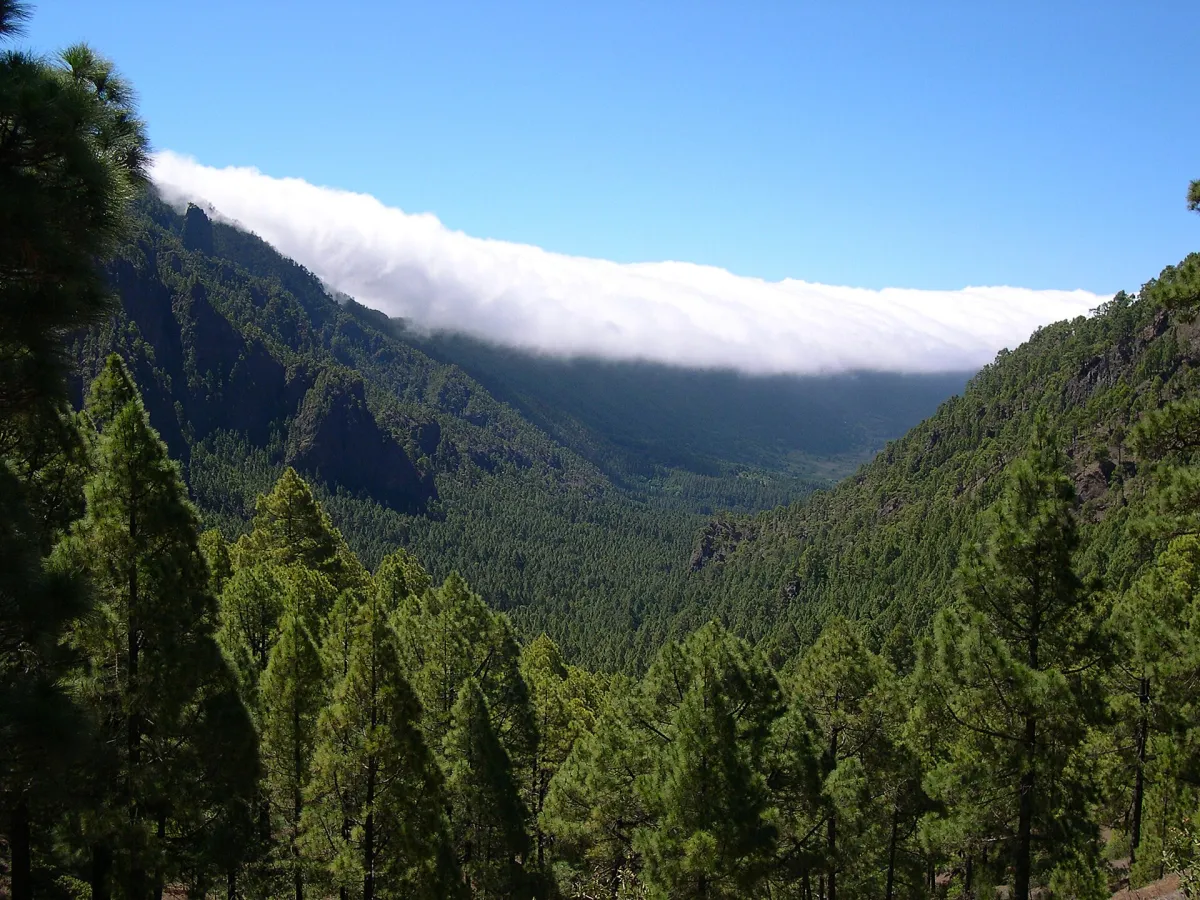
For walking holidays, start with the route’s altitude, length, exposure and authorised access. A forest path, a coastal walk and a summit route have different requirements. Check the park or land manager’s current information as well as the weather. A reservation may secure an access slot while still being subject to a closure or operating decision.
Keep your hardest outdoor day flexible when the booking conditions allow it. Put town and cultural visits around any permit that needs an early reservation, and do not schedule a tightly connected flight or ferry after a demanding route. For high-mountain plans, assess cold, wind and visibility separately from the coastal forecast. Follow the route manager’s decision if access is restricted.
Wind sports and surf: the right conditions depend on your level
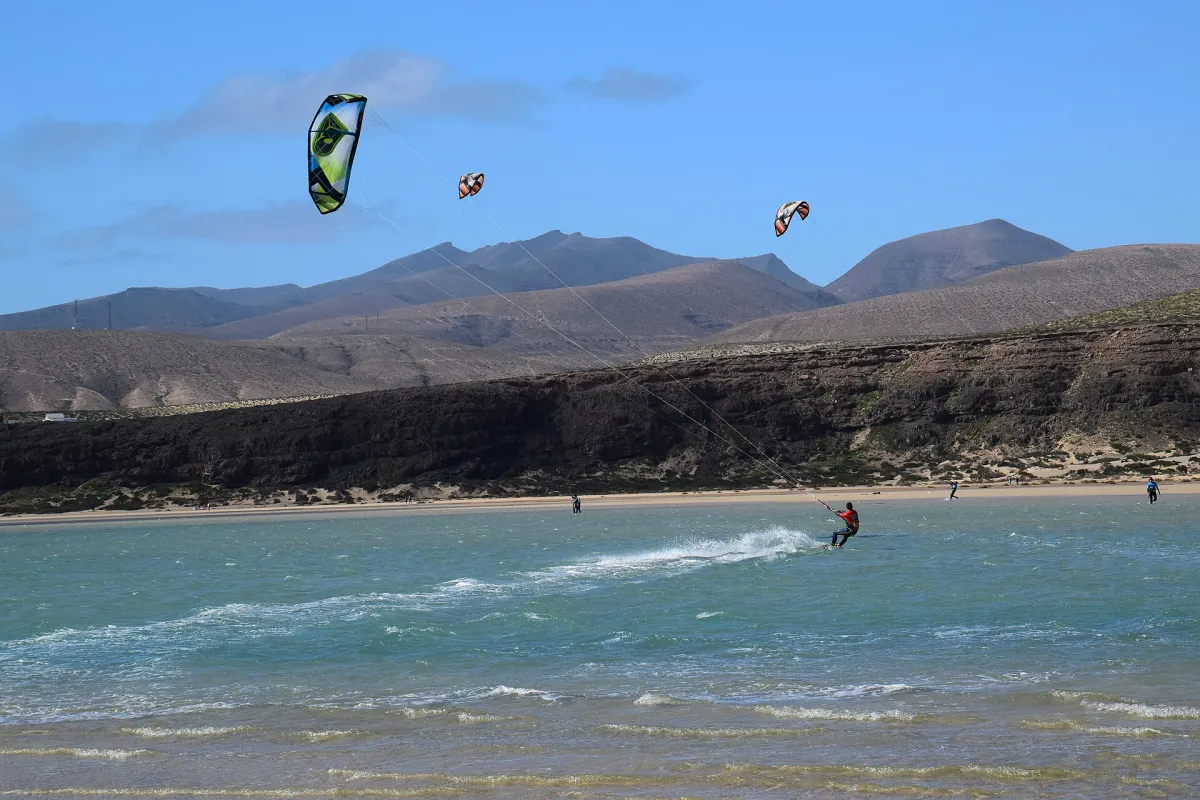
Wind is an attraction for some activities and a drawback for a casual beach afternoon. El Médano and Sotavento should be evaluated for the actual lesson, location and participant level. A windy day is not automatically a beginner-friendly day, and a well-known surf beach is not automatically the place to enter without instruction.
Choose a qualified school that can explain where the lesson will take place, what happens if conditions change and what equipment or rescue arrangements are included. For a family with different interests, compare whether non-participants have a comfortable nearby alternative. The Water Sports section explains the activity-planning questions.
Stargazing: check more than the daytime sunshine
For an astronomy outing, compare moon phase, cloud, wind and the night-time temperature at the actual observing site. A clear afternoon at a coastal resort does not guarantee a clear evening higher up. Ask an operator about the weather policy, meeting point, transport option and return arrangements before booking.
Allow for warm clothing and a late return, particularly if the outing takes place at altitude. Do not plan the following morning as if it were unaffected by a long evening. A guided sunset-and-telescope experience is separate from an observatory visit, cable-car journey or summit permit; check the product you are actually buying.
Calima and official warnings
Calima can bring airborne dust and reduced visibility. Check AEMET’s warning information and the Canary Islands emergency notices for the relevant island and zone. Do not copy a current alert into a future itinerary as though it were a seasonal certainty.
Weather, coastal and land-access notices answer different questions. A forecast can describe wind while a municipality closes a bathing area or a park restricts a route. Follow the authority responsible for the place you intend to use. Travellers with individual health concerns should follow the relevant health authority’s advice and seek personal medical guidance where needed.
Before an outdoor day
- Check the actual locality, altitude and full time you expect to be outside.
- Read official warnings and the land manager’s or municipality’s access notice.
- Confirm that the booked operator or visitor facility is running.
- Check the return journey, including the last useful bus or sailing.
- Use your alternative plan if conditions or access no longer suit the outing.
For a week combining beaches and inland excursions, leave one day lightly planned. It can become the most suitable outdoor day or absorb an activity change without forcing the rest of the trip into a rush. Match cancellation conditions to that flexibility before paying for a fixed-date experience.