SPAIN · CANARY ISLANDS GUIDE
Things to Do in the Canary Islands
Build your Canary Islands trip around the experiences you most want to have: walk across a volcanic plateau, learn to read the wind with a local instructor, watch marine wildlife respectfully, or taste wine grown in volcanic soil. These 16 ideas explain what you actually do, where each experience makes sense and what to arrange before setting out. You do not need to fit them all into one holiday.
Choose your island and base first using Which Island to Visit. This page focuses on activities and the shape of the day; the Attractions guide covers individual visitor sites, while Beaches & Natural Pools compares coastal places. Start with one main experience, leave room for the journey and a meal, then add a nearby option if it genuinely fits.
Volcanoes & National Parks: choose your walking day
1. Walk a volcanic landscape in Tenerife or La Palma
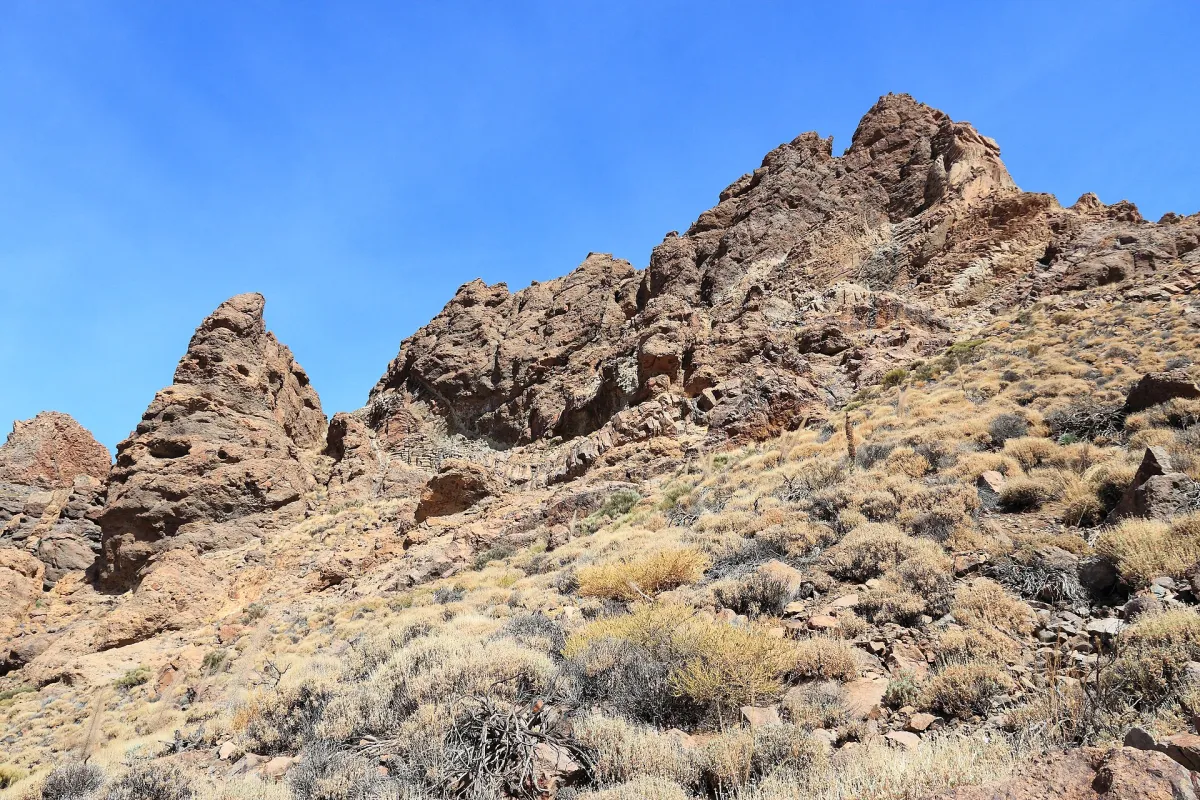
Choose the kind of volcanic day before choosing a trail. In Teide National Park, the plateau and Roques de García give a very different outing from a high-altitude summit approach. On La Palma, a defined volcanic route or a caldera walking day requires its own start, finish and return plan. Timanfaya on Lanzarote offers managed visitor arrangements rather than permission to roam independently over lava.
Compare the full route: ascent, surface, exposure, actual walking time and how you get back. For Teide, check the park reservation information for your exact trail. The cable car, PNT 10 summit authorisation and other controlled routes are separate decisions. An October 2026 council notice added PNT 09, PNT 23 and PNT 28 to controlled access; consult the current route record instead of assuming an older itinerary still applies. Make a mountain outing the main event, with a simple evening near your base.
2. Take a laurel-forest walk on La Gomera
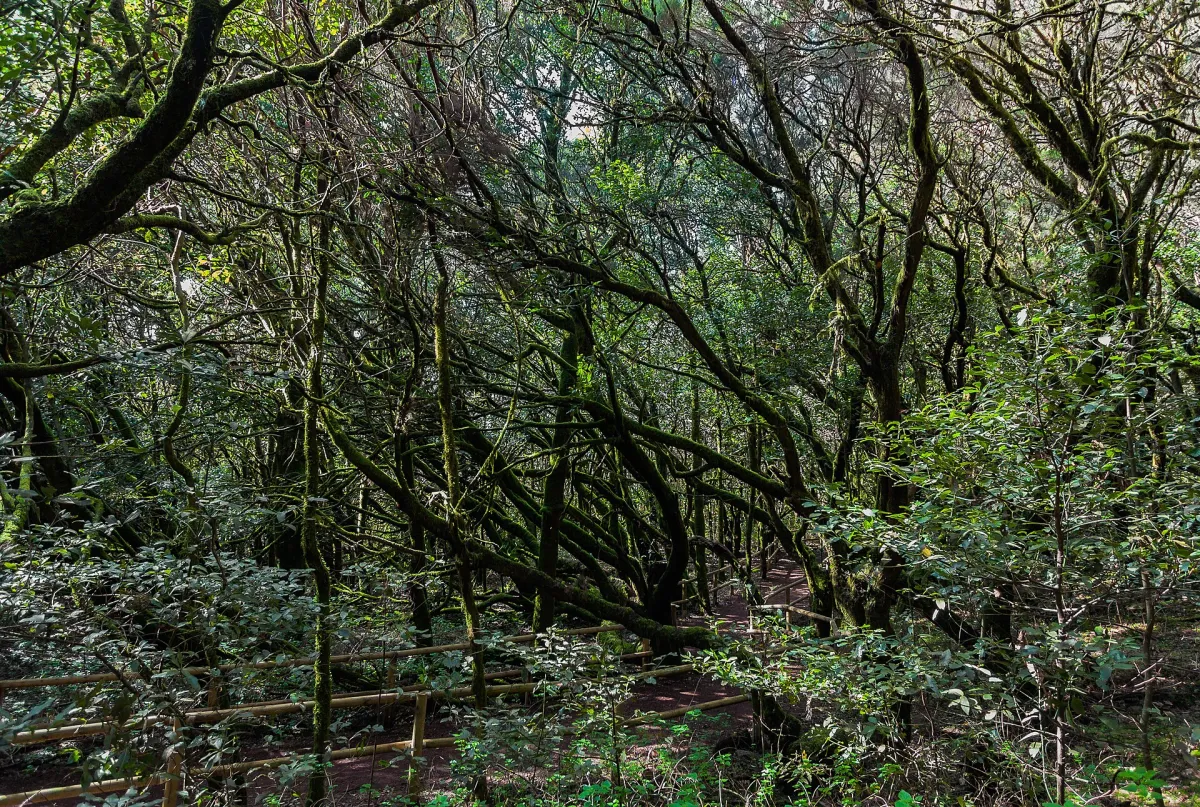
Garajonay offers an enclosed, green landscape of mossy trunks and layered foliage rather than the open views of a volcanic plateau. Decide whether you want a short interpretive walk or a longer hiking day. A short route can still have steps, slippery surfaces or a steep return, so the word “forest” does not establish the effort.
Use the official route descriptions or ask at a visitor centre before selecting your walk. El Bailadero is one route to investigate for its changing forest and ridge environments; it is not a universal accessibility recommendation. Pack for damp, cooler upland conditions and arrange transport to the actual trailhead. A village lunch can complement a modest walk; a ferry connection should not depend on completing an unfamiliar long route quickly.
Stargazing: distinguish the night sky from a research visit
3. Join a guided evening under the stars
On Tenerife or La Palma, a guided night-sky session can help you understand what you are looking at rather than simply reaching a dark viewpoint. Compare the observing location, telescope use, language and transport arrangements. An evening combining sunset and astronomy is a different booking from a daytime mountain excursion.
Cloud, wind and moonlight affect what can be observed; a dark-sky reputation is not a forecast. Bring the organiser’s requested warm clothing and check the return time before planning the next morning. If you stay independently, use an authorised, suitable location and avoid disturbing others with lights. Never enter a closed road or research area for a better view.
For an optional organised Tenerife evening, compare the Teide sunset and telescope session below. Read the selected transport option, meeting point and meal arrangements; it does not include a summit permit or guarantee clear skies.
We may earn a commission if you book through our GetYourGuide links.
Compare Teide sunset & stargazing options on GetYourGuide
4. Learn how an observatory works in daylight
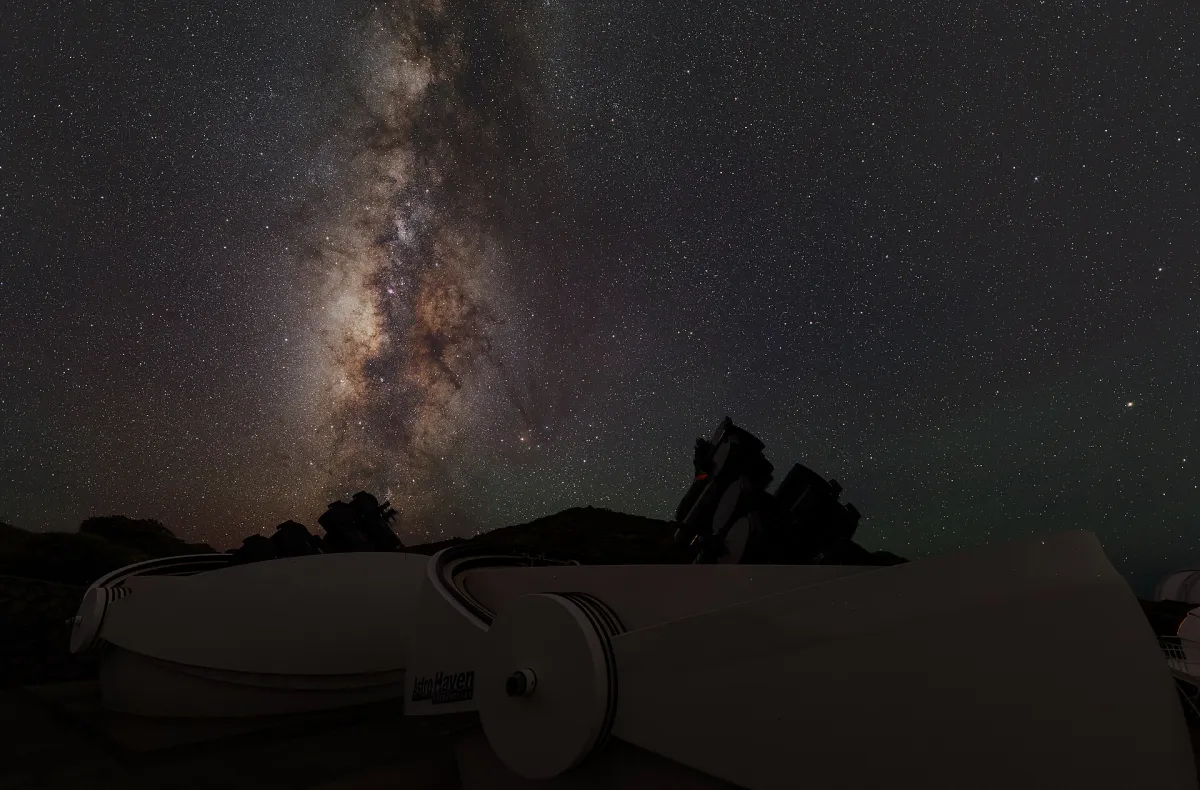
A research-site visit is about astronomy and the instruments used to study the sky; it need not involve looking through a telescope at night. La Palma’s Roque de los Muchachos setting makes this especially interesting if you want the science behind the island’s reputation. The Instituto de Astrofísica de Canarias explains the official visiting channel.
Confirm what can be entered, the meeting point and how the mountain journey fits the programme. A visitor-centre ticket, observatory tour and independent viewpoint stop are separate things. Keep daylight and the return drive in your schedule. For families, check the organiser’s age and participation rules before presenting it to children as a hands-on telescope session.
Marine wildlife and paddling: two different ways to go to sea
5. Choose a responsible whale-watching excursion
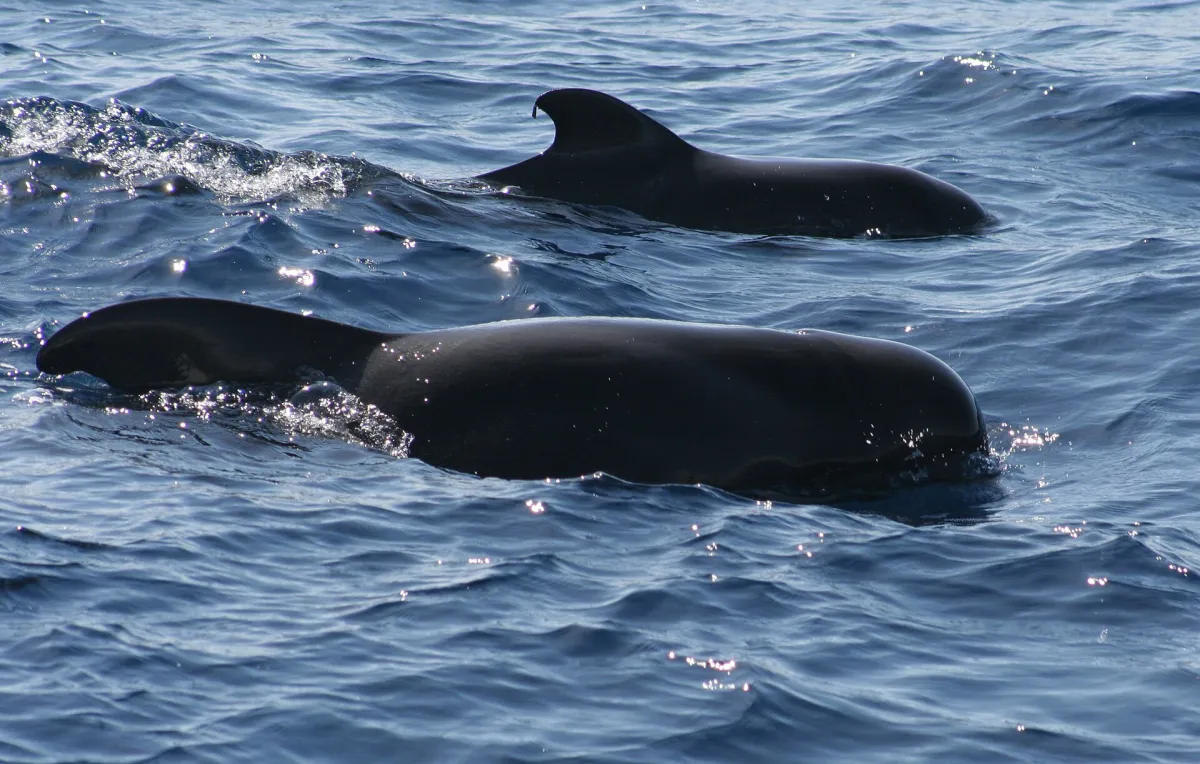
Tenerife’s southwest is a practical starting point to compare organised cetacean excursions, including departures in the Los Gigantes area. Choose the actual port first: reaching the wrong harbour can undo an otherwise well-planned morning. Vessel type, time on the water, group size and boarding arrangements matter more than similar promotional titles.
Check authorised operation and conduct that lets animals control the encounter. The International Whaling Commission’s guidance is useful when assessing responsible watching; the local tourism page identifies maritime operators in the Los Gigantes area. This guide cannot promise a sighting. A meal, swimming stop or hotel collection is not automatically included, and sea conditions or motion may change whether the outing suits your group.
6. Paddle with a local guide along Tenerife’s coast
A coastal kayak trip is an active experience: you are working the boat and listening to a guide, rather than watching from a larger vessel. Around Los Gigantes, cliffs give the coastline a distinctive scale. Compare the exact launching point, route and sea conditions with the operator; a photograph of calm water is not evidence that the same route will operate on your date.
Ask about required experience, swimming ability, equipment, group size and how the return works if the weather changes. Choose a shorter guided introduction if that matches your level. Do not book an excursion on a promise of touching or swimming with wild cetaceans, and keep wildlife watching distinct from a paddling programme. Leave a flexible afternoon after the activity rather than booking a distant timed attraction immediately afterwards.
Surfing, wind sports and diving: match the lesson to your level
7. Take a surf lesson at Famara
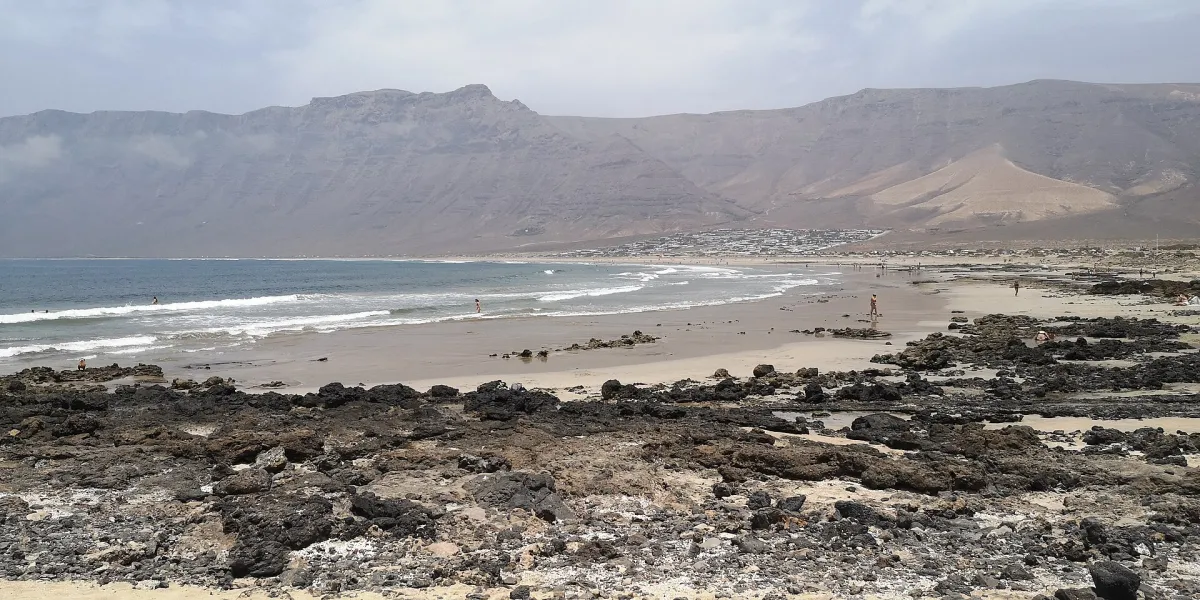
Famara on Lanzarote is an area to investigate for a structured surf lesson, not a promise that any part of the beach suits any beginner. An instructor should choose the teaching area for the swell, wind and group. Ask how much time is spent in the water, whether equipment is included and how a mixed-ability group is handled.
A lesson and an independent board rental serve different needs. If you have little experience, compare instruction before planning a solo session around a famous surf photograph. Keep sun protection, changing arrangements and the journey back in mind. A café or village walk afterwards fits the area naturally; you do not need to combine your first session with a long cross-island circuit.
8. Learn windsurfing or kitesurfing at a suitable school
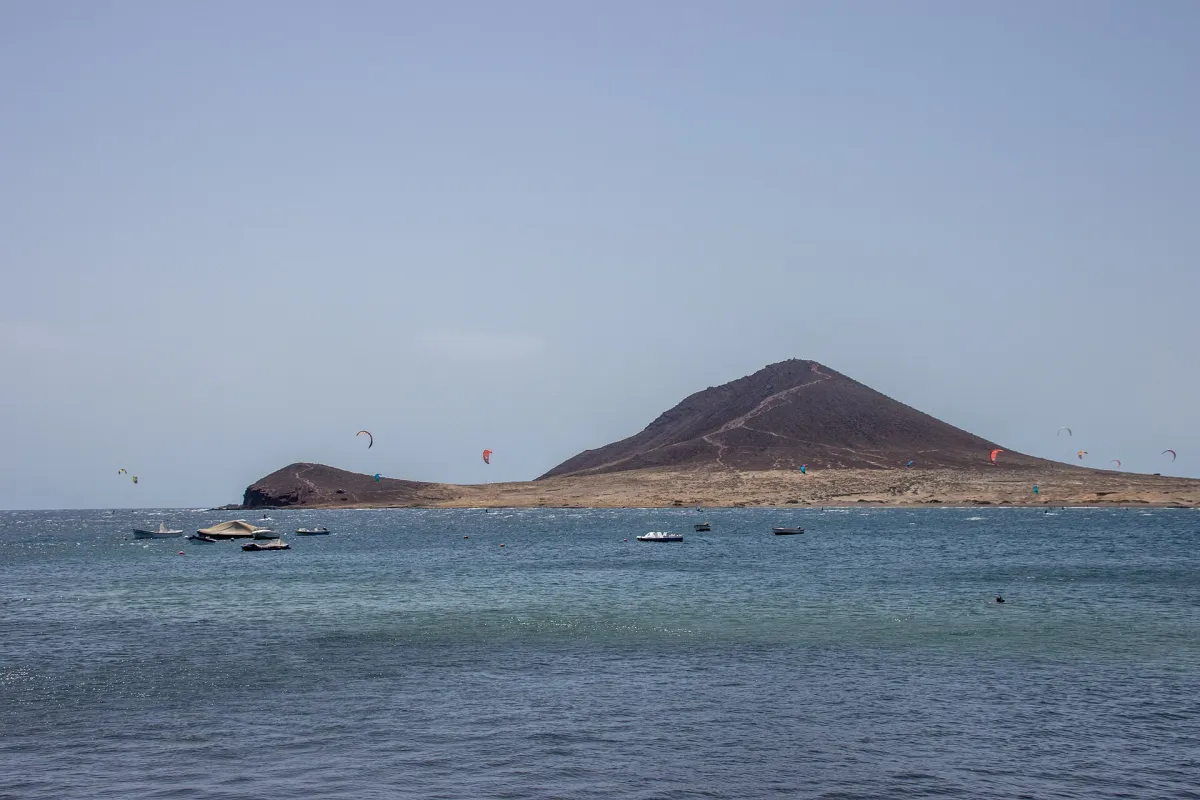
El Médano on Tenerife and Sotavento on Fuerteventura have different coastal settings, but both are names to research with a qualified local school. Windsurfing and kitesurfing are separate disciplines; decide which you want to learn before comparing a package. Ask whether the session is shore-based theory, time on the water or a combination.
Find out which wind conditions the provider accepts for your level, what equipment and support are included and how rescheduling works. A multi-day course may fit a longer stay better than a one-off session immediately before departure. Keep swimmers and sport zones distinct, and use the beach guide for coastal access rather than treating a sport location as a sheltered bathing recommendation.
9. Arrange a dive suited to your experience in La Restinga
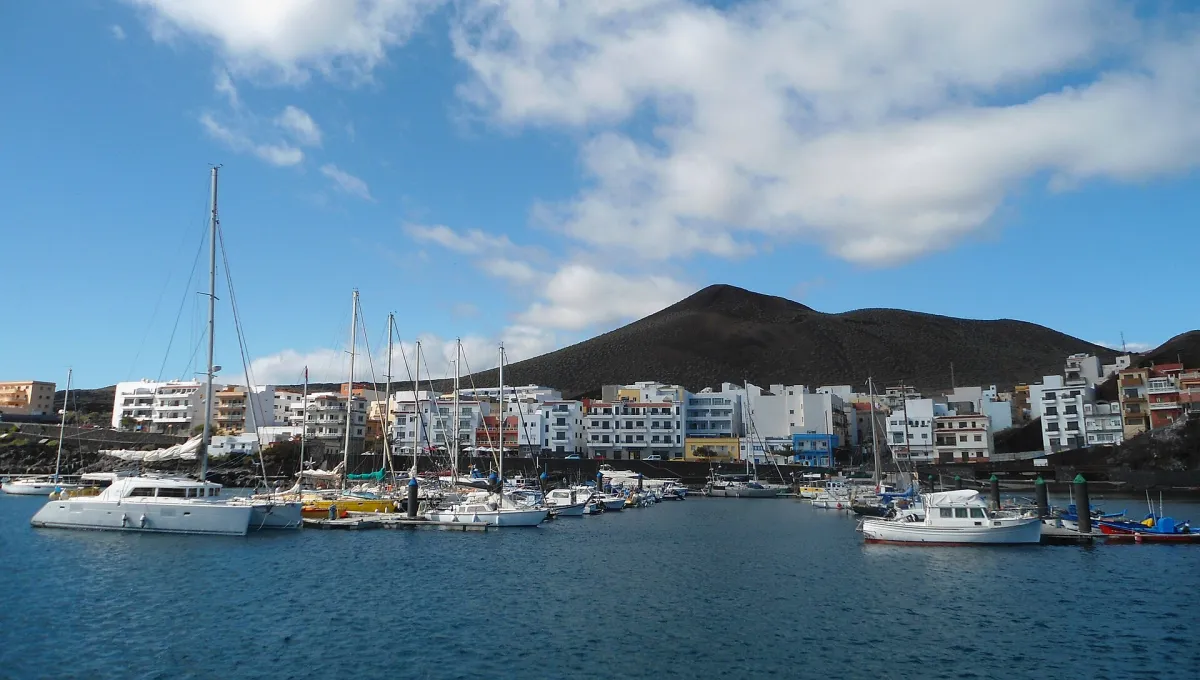
On El Hierro, La Restinga is a base where you can discuss a diving course or guided immersion with a centre. A first experience, a refresher and a trip for a recently active certified diver are different products. Tell the centre your qualification and recent experience before choosing the site or programme.
Confirm equipment, supervision, boarding or shore-entry arrangements and the full timetable directly with the provider. The marine setting’s reputation does not establish that every depth or entry is appropriate for every visitor. Plan onward travel with the centre’s activity requirements in mind. A harbour walk or meal is an easier companion than trying to fit an unrelated strenuous outing around an uncertain finishing time.
Local culture: design and living traditions
10. Follow a focused César Manrique design theme
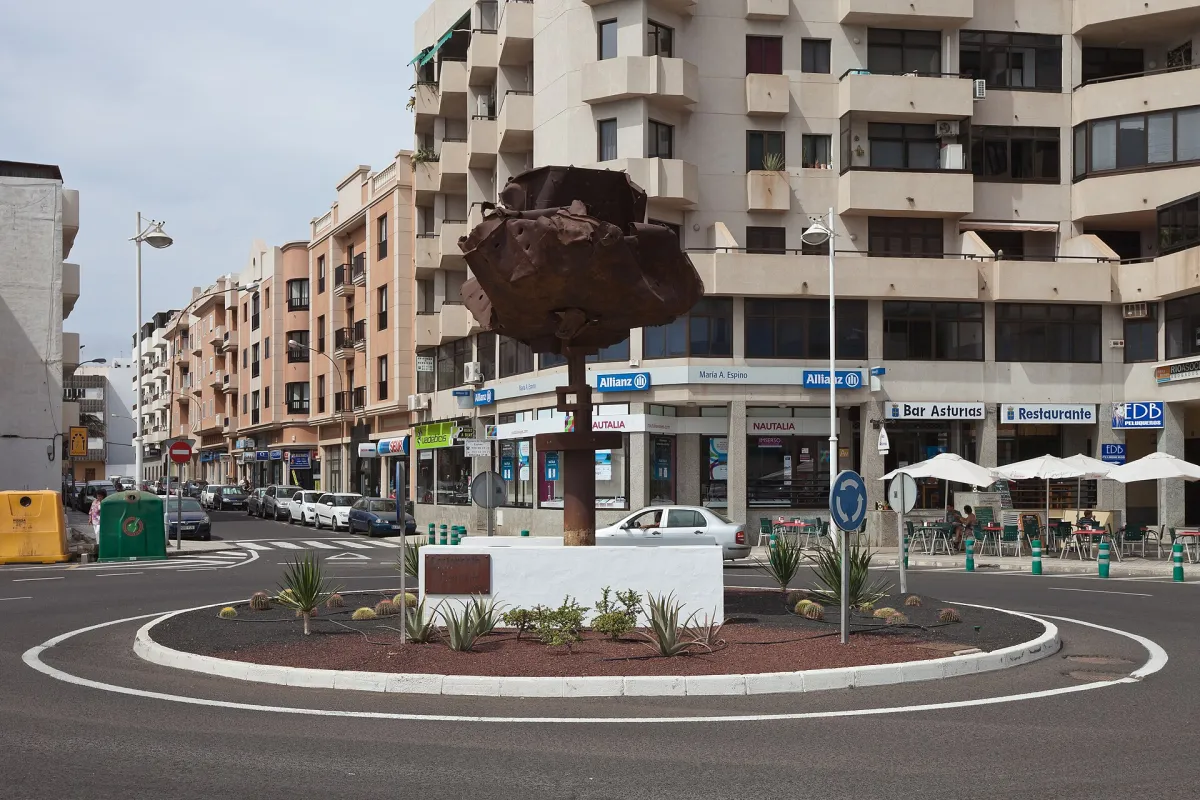
On Lanzarote, choose one or two spaces where art and the volcanic landscape interact, then spend time looking at materials, light and the relationship between indoor and outdoor space. Jameos del Agua and a garden or museum stop offer different design experiences; they are not interchangeable photograph opportunities.
Use the CACT overview to understand the centres, then check the operator of the actual place you choose. Fundación César Manrique properties and other visitor centres do not all share one ticket. The Lanzarote Attractions section helps compare individual sites; here, the aim is a coherent day with time for interpretation and a nearby meal.
11. Learn about Silbo Gomero in an organised cultural session
La Gomera’s whistled language is a living cultural practice rather than a generic island performance. UNESCO’s Silbo Gomero record provides context before you look for an explained demonstration or cultural programme. Ask who leads the session, what is interpreted and whether it forms part of a larger excursion.
Choose an experience that helps you understand how communication works across the island landscape. A restaurant stop does not automatically include a demonstration, and a guide should not promise that any resident can perform on request. Follow the host’s recording rules. This can complement a modest forest or village outing without turning the day into an exhausting circuit of the island.
Food, wine and craft: book time with local producers
12. Taste Lanzarote wine and understand the vineyard landscape
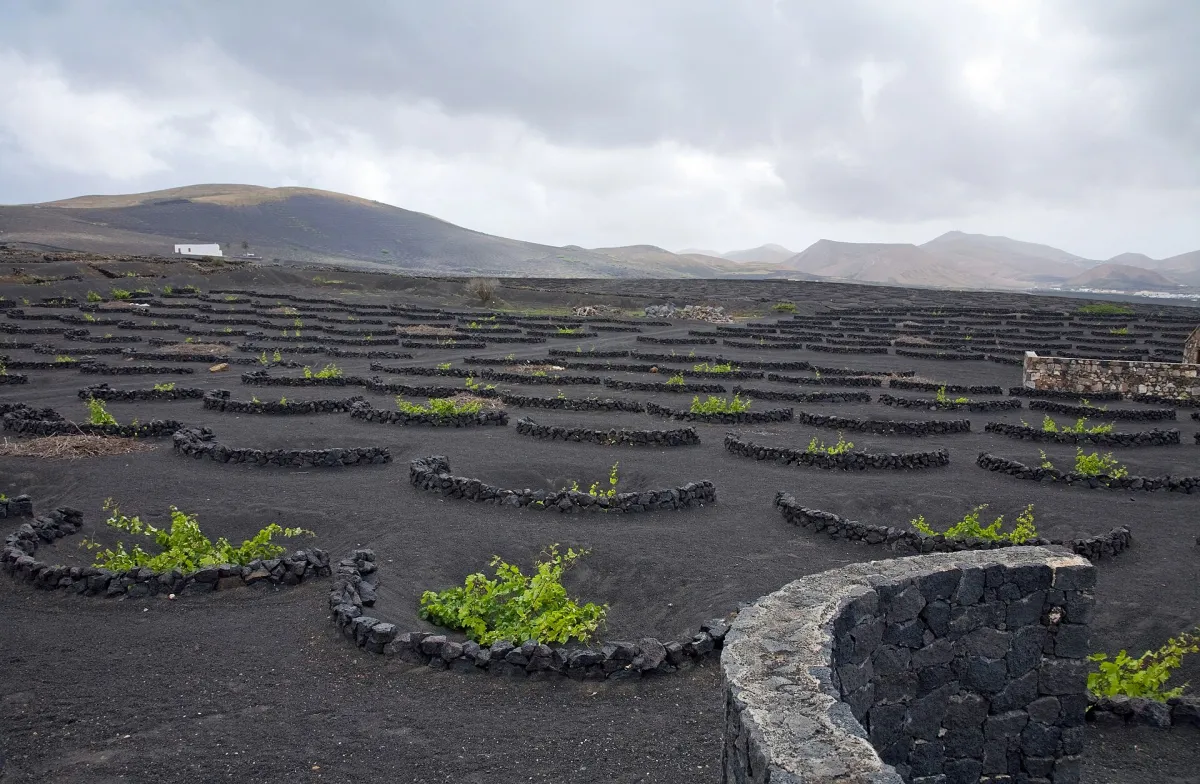
La Geria’s stone-protected vines and volcanic ground make a winery visit more informative than a quick glass at a roadside stop. Compare a tasting, a vineyard walk and a museum-led visit as separate experiences. The official winery guide explains the region and helps you identify places to investigate; visits and available languages depend on the producer.
Choose a designated driver or arranged transport before scheduling tastings. For a specific optional paid experience, El Grifo’s Wine Lovers programme combines a guided visit with wine and cheese tasting. The checked listing is adults-only (18+) and excludes hotel pickup/drop-off; confirm the current meeting point, dietary suitability, language and inclusions for the option you select. The landscape photograph illustrates La Geria generally and is not a photograph of El Grifo or proof of the booked itinerary.
We may earn a commission if you book through our GetYourGuide links.
Compare El Grifo wine-tasting options on GetYourGuide
13. Meet makers and plan a craft-market morning
A craft visit becomes more interesting when you ask how a piece is made, where its materials come from and who produced it. Haría on Lanzarote offers a practical starting point: the Cabildo’s artisan sales-point list identifies the municipal workshop and craft market. A sales outlet is not a guaranteed live demonstration or a bookable hands-on class.
Check the actual market day, maker attendance and any appointment before travelling specifically to watch a process. Ask permission before photographing people at work, and allow time for a conversation rather than treating every stall as a souvenir stop. The Shopping guide covers origin, quality and carrying purchases home; this activity is about the encounter, not another duplicated shopping list.
Coastal routes and cycling: choose a manageable distance
14. Cycle an authorised route on La Graciosa
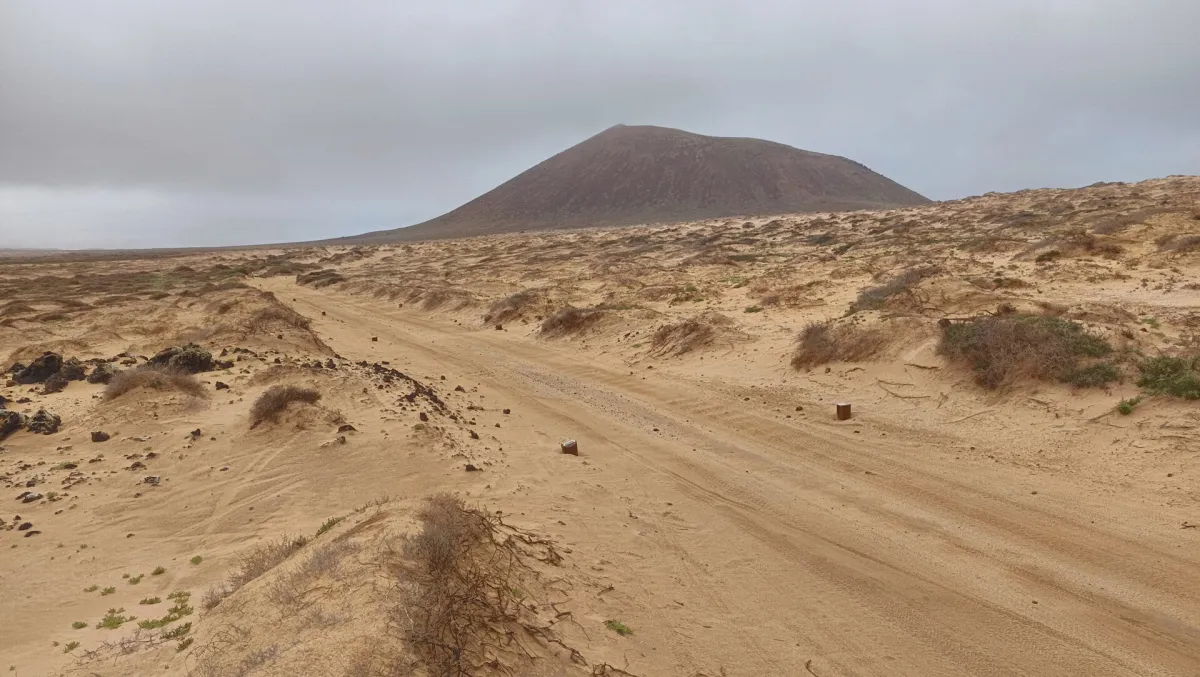
A bike can help you experience more of La Graciosa’s open landscape, but unpaved and sandy tracks demand more effort than the distance on a map suggests. Start with a route that suits your confidence and the available return time. The official public-use page includes cycling information; use authorised tracks and protect the vegetation.
Discuss surface conditions, helmet, bike fit, repair support and a realistic turnaround with the rental provider. Arrange the ferry return before committing to a long circuit, and consider a short ride with time in Caleta del Sebo instead. Bike rental, ferry travel and any onward guided programme are separate arrangements unless your booking explicitly combines them.
15. Pick a Fuerteventura cycle route for its surface, not its length
Fuerteventura’s open inland landscape can make a cycle outing rewarding, but exposure to wind and sun changes the effort considerably. The Biosphere Reserve route information includes routes across the island, many on dirt tracks. A short off-road section is a different proposition from a paved promenade ride.
Choose the bike, surface and support first. Ask a local provider how the wind affects your intended direction and return, where you can stop and what happens if you cannot complete the route. An e-bike does not remove sand, gradients or handling requirements. If you prefer to walk, select a short authorised coastal route near your base rather than using the cycle distance as a walking recommendation.
A slower local day: streets, stories and a meal
16. Build a self-guided town walk around one clear theme
Use La Laguna on Tenerife, Vegueta in Las Palmas de Gran Canaria, Santa Cruz de La Palma or a smaller inland settlement as the setting for a slower cultural day. Pick a theme—architecture, island history or local food—and choose one interior visit that supports it. A street walk remains flexible while the museum, church or hosted experience may determine your timetable.
Start with the Attractions guide for individual sites, then leave room to notice streets and everyday businesses between them. A café, market where appropriate or local meal helps the day feel connected rather than like a queue of admissions. Check the last bus or arrange a practical return if staying elsewhere, and keep private doorways and residential courtyards clear.
Compare experiences before choosing your days
These comparisons describe the kind of plan involved, not a universal difficulty grade or a claim that every activity operates daily. Use the least experienced person’s needs to narrow the options, then confirm the actual route, session or provider.
| Activity & island | What to arrange |
|---|---|
| Volcanic walk Tenerife or La Palma | Plateau/short route versus demanding mountain day |
| Forest walk La Gomera | Selected trail, surface and trailhead return |
| Whale watching Southwest Tenerife | Authorised operator, exact port and vessel |
| Coastal kayaking Tenerife | Guided route and conditions for your level |
| Surf lesson Famara, Lanzarote | Instruction versus independent rental |
| Wind-sport lesson El Médano or Sotavento | Discipline, teaching conditions and rescheduling |
| Diving La Restinga, El Hierro | Course/introductory/certified programme |
| Cycling La Graciosa or Fuerteventura | Surface, wind, support and return time |
| Activity & island | What to arrange |
|---|---|
| Night-sky session Tenerife or La Palma | Observing location, telescope use and transport |
| Observatory visit La Palma | Official research visit versus visitor centre |
| Manrique design day Lanzarote | Separate operators and selected interiors |
| Silbo Gomero session La Gomera | Explained programme and host availability |
| Wine tasting Lanzarote | Actual winery, adult rules and transport |
| Craft encounter Haría, Lanzarote | Sales outlet versus demonstration/class |
| Themed town walk La Laguna, Las Palmas or Santa Cruz de La Palma | One chosen interior and a flexible street route |
Families, mixed abilities and a change of weather
For a group with different energy levels, choose an experience with a clear shared purpose and an easy way to shorten the day. A town walk with one museum, a confirmed craft session or a short interpreted outdoor route can be easier to adapt than a boat departure or remote trail. Check age, participation, surfaces and boarding directly rather than assuming that “family-friendly” or “short” establishes suitability.
Keep an alternative that does not depend on the same conditions as your main plan: a cultural interior may suit a day when a sea excursion cannot operate, while a town walk can replace a mountain drive affected by conditions. Adults-only wine programmes are not family activities by default. Do not substitute an improvised coastal or mountain route for a cancelled guided activity without reassessing access and effort.
Read the booking: permit, entry, guide and transfer are different
Compare the specific service: a route authorisation, admission, instruction, equipment rental and transport are separate items unless the product says otherwise. Check the actual meeting point, activity language, group size and time on the activity. A low headline price may describe a shorter programme or exclude a transfer you need. Keep confirmation and any required identification together.
Read how weather, minimum participation and cancellations are handled, and whether a rescheduled session can fit your remaining days. The affiliate links here are optional paid examples rather than a complete provider ranking; they do not replace official permits or park information. For independent plans, make the same checks yourself and consult current access information close to the visit.
Give each active day a realistic return
Pair a demanding outing with a simple evening near your accommodation. After a mountain day, a local meal usually fits better than another long drive; after a sea activity, leave time to return, change and reach any evening booking. On Lanzarote, a modest design visit and a separately arranged tasting can form a coherent local day when the route and transport work. These are planning ideas, not tour inclusions or fixed-duration itineraries.
Avoid placing an essential outdoor booking immediately before an inter-island flight or ferry. On a short holiday, one well-chosen experience can be more worthwhile than spending several days moving between islands. Use Getting Around for the connections and When to Visit for activity-based seasonal planning.