
Food & Drinks in the Canary Islands

The Canary Islands have one of the most distinctive culinary traditions in Spain — a fusion of volcanic soil produce, fresh Atlantic seafood, Guanche heritage, and Spanish influences. Whether you're sampling papas arrugadas, sipping local volcanic wines, or trying seafood straight from the Atlantic, the Canarian gastronomy is simple, fresh, and deeply connected to the islands’ landscapes.
This guide covers everything you need to know about local dishes, drinks, food culture, eating habits, and what to try on each island.
What Makes Canarian Cuisine Unique?
The Canaries have a subtropical climate and volcanic terrain, resulting in agricultural products you won’t find elsewhere in Spain. Traditional recipes are simple, flavorful, and made with fresh, local ingredients. The culinary scene blends:
- Guanche (indigenous) traditions — gofio, goat cheese, roasted grains
- Atlantic seafood — octopus, limpets, seabream, vieja fish
- Spanish influences — tapas, stews, cured meats
- Latin American touches — due to Canary migration history
The result is a cuisine that is rustic, flavorful, and deeply connected to the land and sea.
Must-Try Traditional Dishes
1. Papas Arrugadas con Mojo
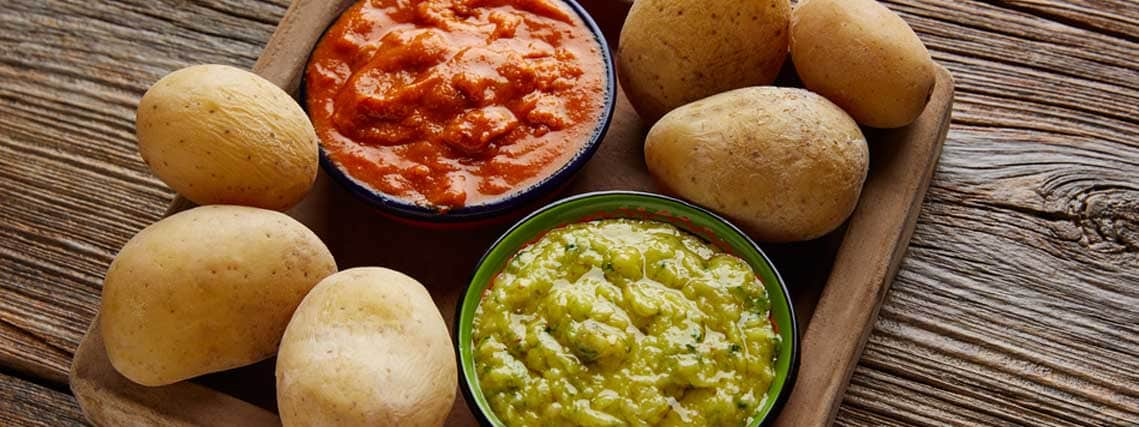
The signature dish of the Canaries. Small local potatoes are boiled in salted water until the skins wrinkle, then served with two traditional sauces:
- Mojo Rojo: spicy, made from red peppers and garlic
- Mojo Verde: herbal, made from cilantro or parsley
2. Gofio
A roasted corn or wheat flour used since Guanche times. You’ll find it in soups, desserts, or sprinkled on milk and honey. It’s nutritious and unique to the islands.
3. Grilled Octopus (Pulpo a la Brasa)
Fresh Atlantic octopus grilled with olive oil and sea salt — a must-try in Tenerife, Gran Canaria, and Lanzarote.
4. Vieja (Parrotfish)
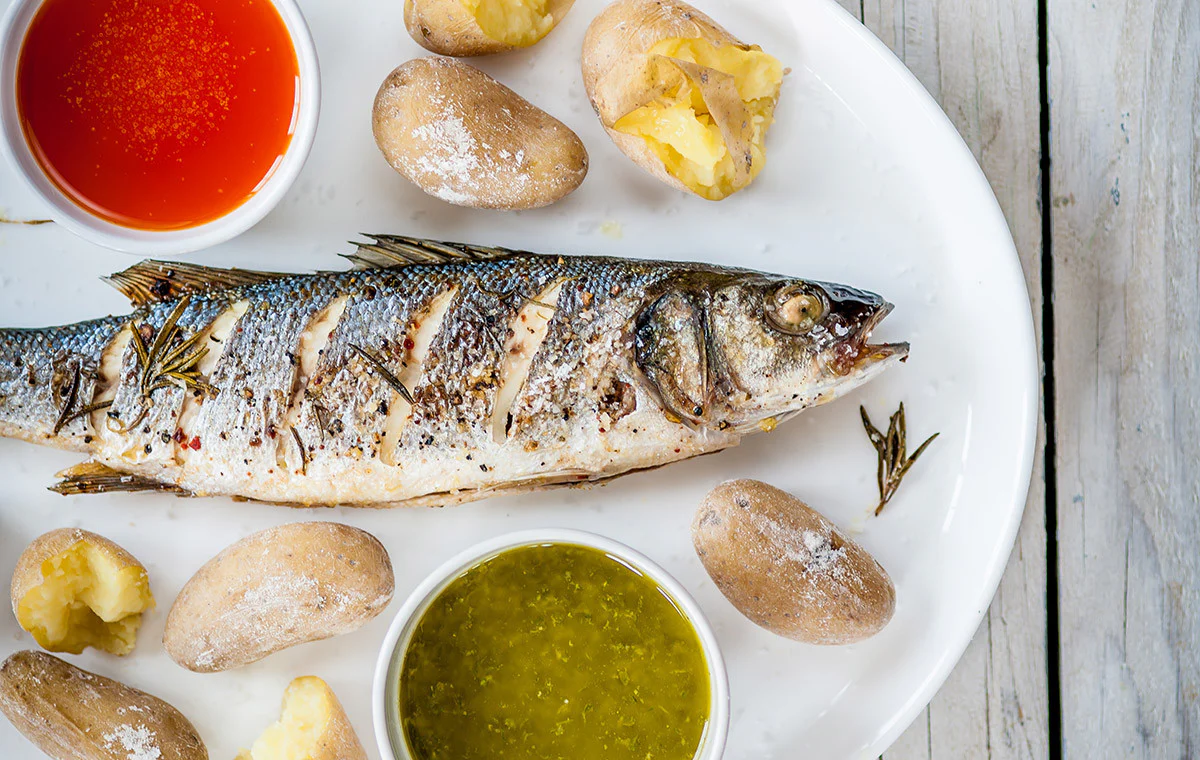
A local fish with delicate flavor, often grilled with olive oil, garlic, and lemon.
5. Ropa Vieja Canaria
Unlike the Cuban version, Canarian ropa vieja mixes chicken, beef, and chickpeas. Comfort food at its finest.
6. Conejo en Salmorejo (Rabbit Stew)
Rabbit marinated in spices and wine, then slow-cooked. Popular on Tenerife and La Gomera.
Local Produce & Farm-to-Table Culture
Thanks to volcanic soil and year-round sunshine, the Canary Islands produce exceptional:
- Bananas (especially from La Palma & Tenerife)
- Tomatoes
- Avocados
- Mangoes & papayas
- Aloe vera products
Many restaurants use locally grown fruits and vegetables, making the islands ideal for fresh and healthy eating.
Best Local Cheeses
Canarian cheese is famous across Spain — especially goat cheese. Some of the best varieties include:
- Queso Majorero (Fuerteventura): Protected designation, slightly salty and creamy.
- Queso Palmero (La Palma): Smoked goat cheese — excellent with mojo.
- Queso Flor de Guía (Gran Canaria): Mild, soft, made with vegetable rennet.
Seafood Highlights
The Atlantic Ocean offers some of Europe’s freshest seafood. Try:
- Lapas (Limpets): Grilled and served with green mojo.
- Calamares a la Plancha: Grilled calamari with lemon.
- Cherne (Wreckfish): Dense, white fish often served with potatoes.
- Sancocho: Traditional fish stew with sweet potatoes and mojo.
Typical Desserts
- Bienmesabe: Almond cream dessert from Gran Canaria.
- Quesillo: Canarian flan with sweet condensed milk.
- Príncipe Alberto: Chocolate-almond dessert from La Palma.
What to Drink in the Canary Islands

1. Volcanic Wines
The islands produce award-winning wines grown on volcanic soil. The most notable regions include:
- La Geria (Lanzarote): Black volcanic vineyards with unique crater planting.
- Tacoronte–Acentejo (Tenerife): Spain’s first DO wine region.
- Valle de la Orotava: Known for ancient braided vines.
2. Ron Miel (Honey Rum)
A sweet Canarian liqueur made from rum and local honey. Often served as a welcome drink.
3. Barraquito
A layered Canarian coffee made with espresso, condensed milk, liquor 43, and cinnamon. Popular in Tenerife.
4. Tropical & Dorada Beer
The two major local beer brands — perfect for hot beach days.
What to Eat on Each Island
🍽 Tenerife
- Mojo sauces
- Grilled octopus
- Gofio escaldado
🍽 Gran Canaria
- Sancocho canario
- Bienmesabe dessert
- Flor de Guía cheese
🍽 Lanzarote
- Volcanic wines
- Fresh local fish
- Goat cheese
🍽 Fuerteventura
- Majorero cheese
- Goat dishes
- Seafood stews
🍽 La Palma, La Gomera & El Hierro
- Honey rum
- Eco-farm vegetables
- Island-specific desserts
Restaurant Culture & Eating Habits
Eating in the Canary Islands is relaxed and social. Expect:
- Dinner time: 20:00–22:30
- Tapas culture: Common in coastal towns and city areas
- Seafood restaurants: Usually located right on the waterfront
- Guachinches: Small traditional eateries found mainly in Tenerife
For top restaurant recommendations, see our dedicated guide: Restaurants in the Canary Islands .