
ENGLAND · BOURNEMOUTH GUIDE
Bournemouth Travel Guide
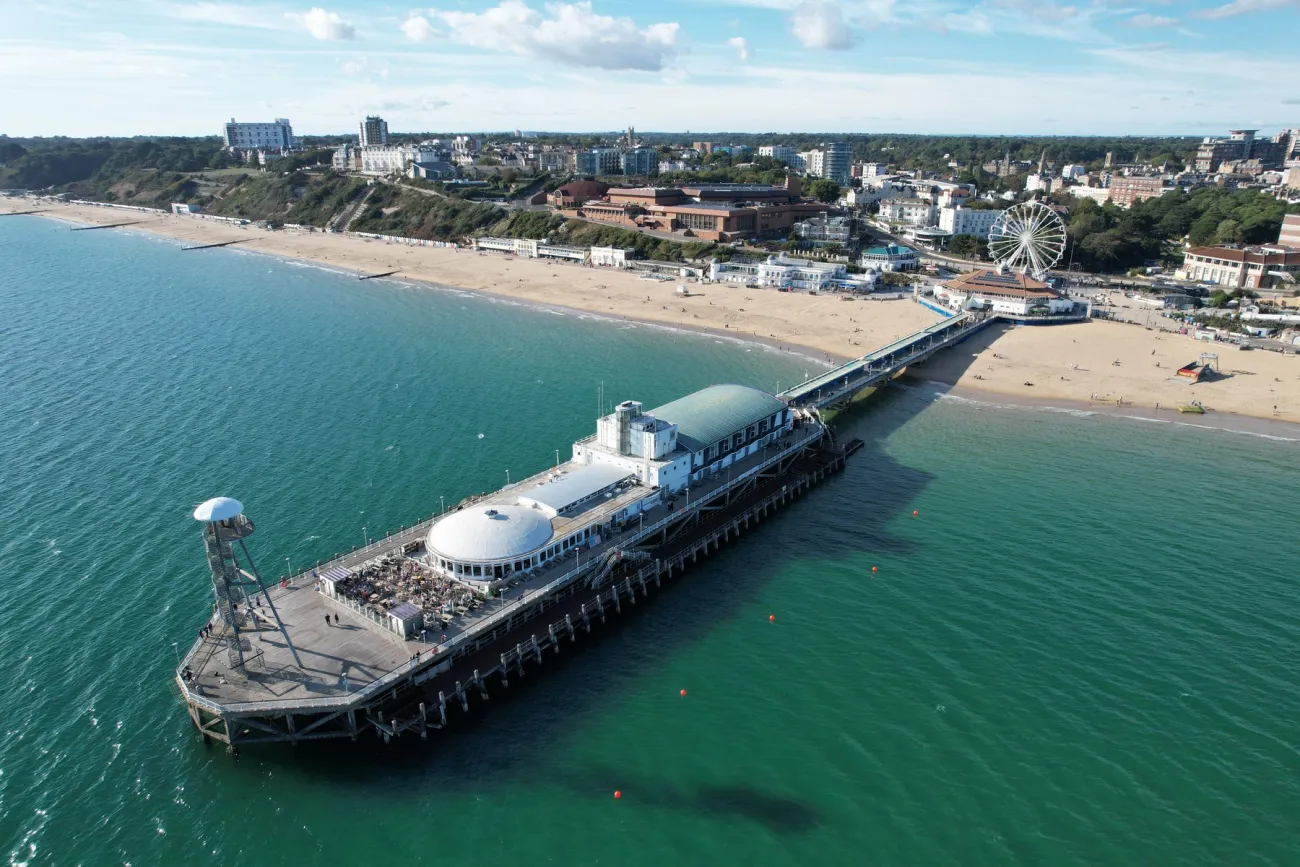

Bournemouth is a south-coast base for sandy beaches, a garden-lined town centre and days out across Dorset. Its appeal changes with the way you travel: the pier area puts entertainment close together, Westbourne brings independent shops and restaurants, and Southbourne suits a more residential seaside stay. A useful first trip gives the coast time of its own and keeps one indoor option ready.
Bournemouth at a glance
On smaller screens, swipe or scroll horizontally to read the full table.
| Decision | Useful starting point |
|---|---|
| Length of stay | Two nights / three calendar days for a first break; three nights gives two fuller middle days. Arrival and departure reduce usable time. |
| When to go | Summer for a beach-led holiday; consider spring or autumn when walking and photography matter more than swimming. Check the forecast. |
| Base | Centre / Pier Approach for a compact first visit; compare the actual beach descent from East or West Cliff. |
| Arrival | Bournemouth station is inland; BOH airport is a separate point north of town. Plan the final leg to your accommodation. |
| Budget | Use pounds sterling (GBP). Compare room, local transport, food and paid activities together; worked budget examples are planning arithmetic, not current offers. |
Start with the kind of break you want
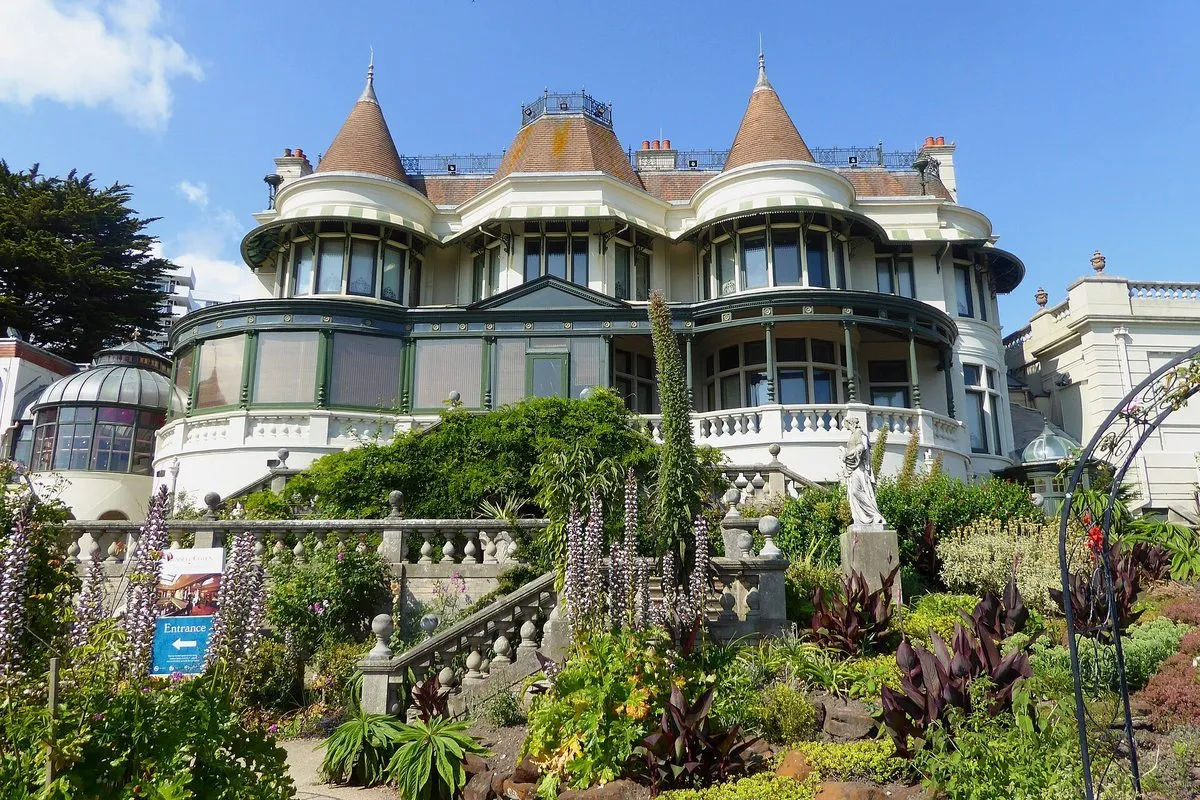

Choose Bournemouth for a holiday that can combine the beach with town services. You can spend the morning beside the sea, walk through the Lower Gardens to lunch and finish with a performance without moving the car. It is less convenient if your entire plan depends on visiting several remote Jurassic Coast coves: those journeys deserve a separate day and careful transport planning.
On smaller screens, swipe or scroll horizontally to read the full table.
| Your priority | Plan around it |
|---|---|
| First visit without a car | Stay near the centre or an effective bus corridor; use the station as an arrival point rather than assuming it is on the beach. |
| Family beach break | Pick the actual beach entrance, toilets and a manageable return to the room. Leave room for a wet-weather afternoon. |
| Independent food and shops | Allow time in Westbourne or Southbourne instead of limiting every meal to Pier Approach. |
| Coastal photography | Work with the light and forecast; choose one pier or headland session rather than chasing the entire coast in an evening. |
The town is part of the Bournemouth, Christchurch and Poole area. These names often appear together in transport and visitor information, but they describe different places. Poole Quay, Christchurch Priory and Studland are outings from Bournemouth, rather than neighbourhoods immediately beside Bournemouth Pier. The map and neighbourhood guide makes those relationships easier to follow.
What to do: choose a main experience
For a first visit, combine the garden corridor and central coast, then choose art and a historic house, an indoor family activity or an evening performance. An eastern nature outing needs a different travel plan. Use Attractions for individual places and Things to Do for choosing the experience. Give a trip to Christchurch, Poole Harbour or Purbeck its own time instead of treating it as another central stop.
About Bournemouth: a short resort history
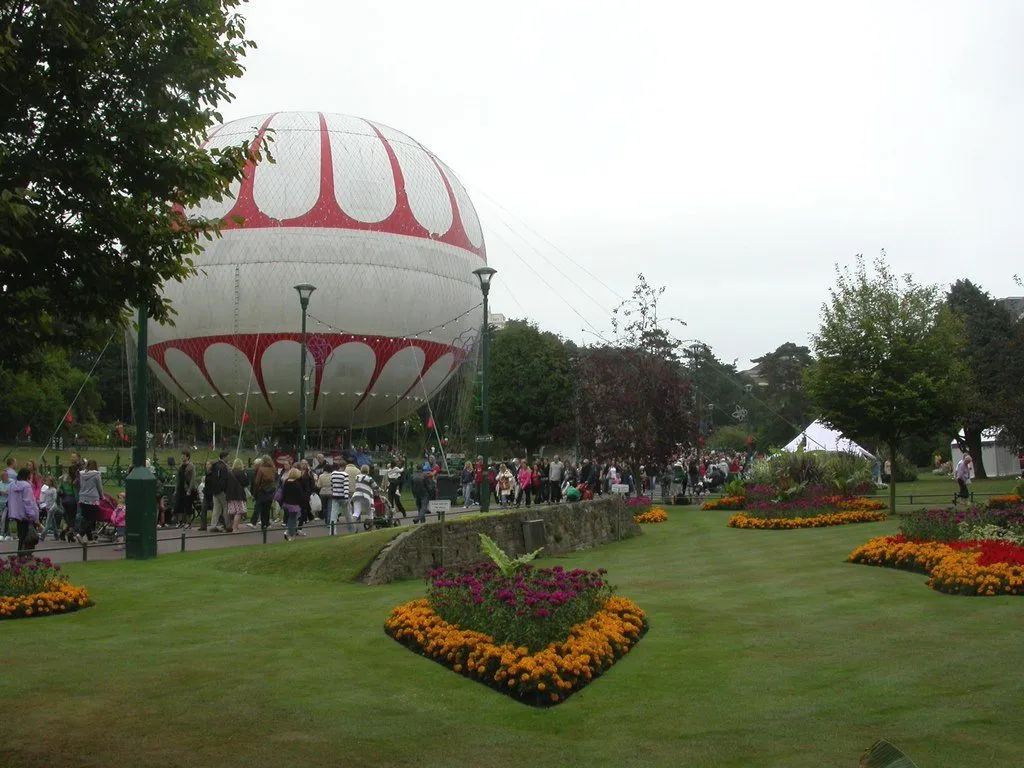

Bournemouth grew as a seaside resort during the nineteenth century. Lewis Tregonwell bought land here in 1810 and built a house; the later resort scheme associated with Sir George Tapps-Gervis and architect Benjamin Ferrey brought villas intended for summer visitors. The official local history explains those early stages. The town’s comparatively recent resort origins help make sense of the villa districts, hotel fronts, garden corridor and purpose-built entertainment spaces that shape a visit today.
Read the town through a short walk rather than a checklist of dates: observe the relationship between the gardens and the sea, compare the cliff-top buildings with the public promenade, then choose a museum or performance for closer context. An old image records one moment in that changing resort. The historic-photo notes explain why an archived attraction should not be treated as a current booking opportunity.
How long to stay
Two nights work for a first weekend: arrival and an easy central walk, one fuller beach-and-culture day, then a final morning before departure. Three nights give you a better chance of separating a coastal nature day from a town day. Four or more nights are useful if you want a deliberately slower beach holiday or a day out to Poole Harbour or Purbeck.
A day trip from London is possible as a rail-based outing, but the return journey consumes a sizeable part of the day. Staying overnight gives you more flexibility with the sea, evening food and weather. Compare the one-day, weekend and four-day itineraries before paying for dated attractions; those examples count arrival and departure days separately.
Choose dates for your priorities
Summer offers the clearest beach-holiday rhythm, with more daylight and seasonal services, but it also brings busier sand and greater demand for accommodation. Late spring and early autumn can work well for walking and photography when swimming is optional. Winter suits a short town-and-coast break with a flexible indoor plan; exposed seafront walks may be unsuitable during storms.
Use the best-time-to-visit guide to compare seasons and then check the Met Office forecast for Bournemouth for your dates. Bournemouth Air Festival did not take place in 2026; an old photograph or event listing does not establish a future display. The events guide distinguishes current listings from historical festival material.
Choose your base before your hotel
The centre and Pier Approach are practical for a short first visit. East Cliff and West Cliff offer many established hotels, but the descent to the beach matters as much as the view. Westbourne is useful for meals and independent shopping; Alum Chine pairs a greener approach with the coast. Boscombe and Southbourne place you further east and require a more deliberate transport plan for central evenings.
For mobility needs, request the precise route from the room to the pavement, promenade and chosen beach entrance. A lift inside a hotel does not resolve the slope outside it. Use Where to Stay for area trade-offs, then the hotel shortlist to compare named properties.
Compare accommodation across Bournemouth for your dates. This is a town-wide search; it does not preselect a particular neighbourhood or hotel.
Compare Bournemouth stays on Booking.com
We may earn a commission if you book through our Booking.com links.
Arrive and get around
Rail arrival is often the simplest start to a car-free break. Bournemouth station is inland, so allow for the final bus, taxi or walk to your accommodation. Bournemouth Airport is a separate arrival point north of the town; verify the operating day and flight-to-bus connection before relying on a bus transfer. A car can be useful for more dispersed Dorset plans, but parking and short urban journeys can make it unnecessary for a central weekend.
The Airports & Transfers page covers arrival choices; Getting Around covers the daily journeys once you are here. The distinction is useful when comparing a cheaper flight with an easier train arrival.
Travel costs and practical essentials
Build the budget around your actual room and dates, then add the journeys, meals and admissions you intend to buy. Compare breakfast, parking and cancellation terms before treating one room rate as cheaper. The Travel Costs & Money guide separates transparent short-break examples from longer-stay planning; Travel Essentials covers everyday preparation. Save the address, check-in details and final transfer offline. Use Visa & Entry for permission checks and the access notes for the full route from room to pavement, venue and sand.
Photography and responsible visits
Choose one pier, garden or coastal cluster for a photo session and let the day’s light and conditions guide it. The Photos & Photo Spots guide explains composition and access without claiming a fixed sunrise alignment. Keep walking routes clear, respect homes and beach huts, and stay on permitted nature paths. Responsible Travel covers beach care, habitat protection and spending with identifiable local businesses. An attractive view is not permission to enter private space or leave a marked route.
Build a Bournemouth plan that works
Choose one main outing each day and group the remaining stops around it. Pair central gardens with the pier and a museum; give Hengistbury Head its own half-day; place a restaurant booking near where you will actually finish. On a rainy morning, changing the order is usually easier than adding another distant attraction.
Travel Tip
For a first car-free weekend, book a base with a straightforward evening return before adding distant day trips. A convenient last mile often matters more than being a little closer to the coast on a map.
Explore Things to Do for experiences, Beaches for choosing a stretch of coast and Photos & Photo Spots for location-specific shooting ideas. International visitors should check UK entry requirements before arranging travel. Practical money, power and local planning details are in Travel Essentials.
Bournemouth FAQs
How many days should I spend in Bournemouth?
A two-night stay gives you three calendar days, with arrival and departure reducing sightseeing time. That suits a first visit built around the gardens, one stretch of coast and a museum or show. Add another night if Hengistbury Head or a separate day trip is a priority; use the itineraries to compare the pace.
Can I visit Bournemouth without a car?
Yes, if your accommodation and outings match the rail and bus connections you will use. The railway station is inland, so plan the final journey to your hotel as well as the train. A central base can simplify a short visit; remote coastal outings require more planning. See Getting Around.
Which area is a useful base for a first visit?
The town centre and Pier Approach keep the gardens and central seafront close together. West Cliff and East Cliff offer coastal hotel settings but the route down to the beach matters. Westbourne, Boscombe and Southbourne suit different neighbourhood plans; compare your daily journeys in Where to Stay before choosing a property.
Is Bournemouth still worth visiting when beach weather is poor?
A short break can combine the Russell-Cotes when open, an indoor attraction, neighbourhood food and a performance that interests you. Keep the itinerary compact and check opening and tickets before relying on any indoor fallback. Strong wind or poor visibility may mean changing a headland outing rather than simply adding a waterproof jacket.