
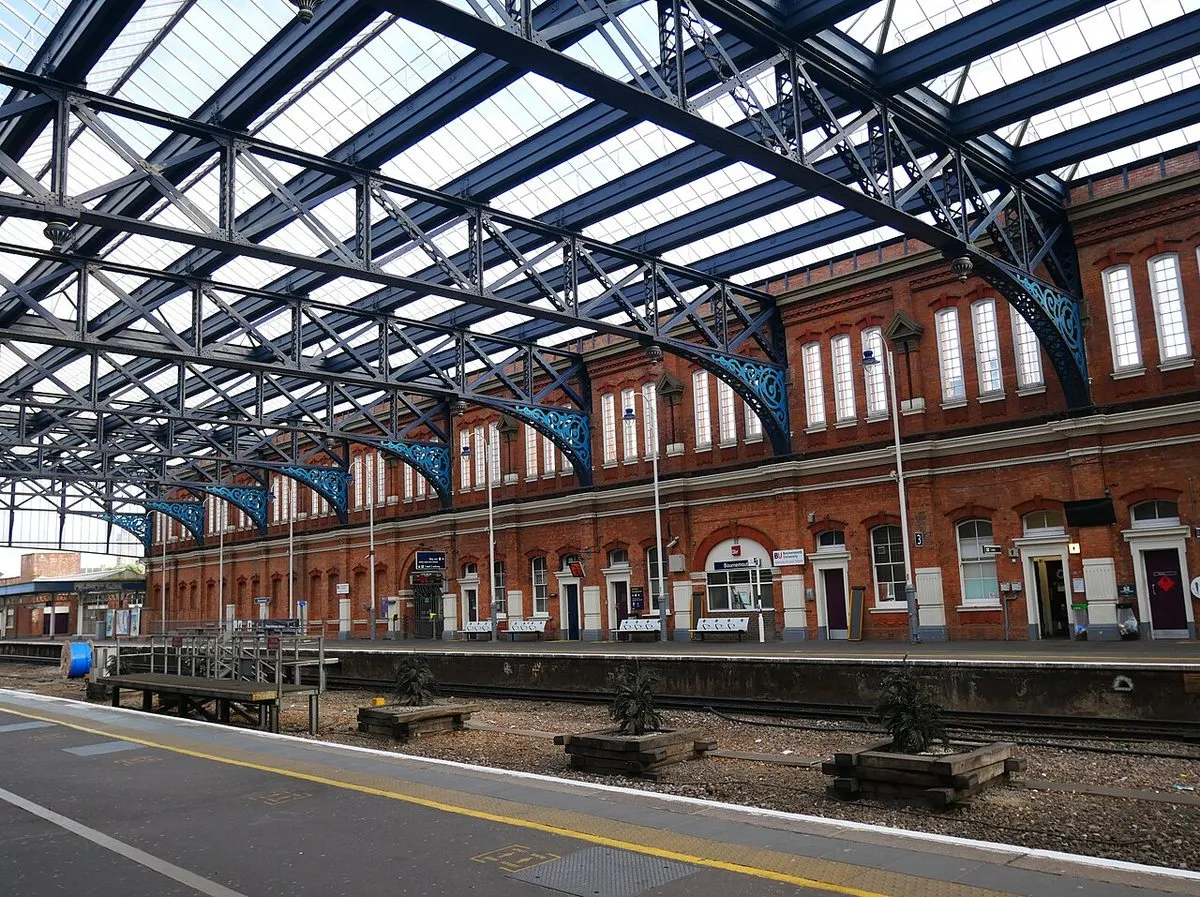

The station and your final mile
Bournemouth railway station is inland from the central seafront. Check the route to your actual hotel rather than using the pier as a proxy for all accommodation. A walk may suit a light bag and fine weather; a bus or taxi can make more sense with luggage, a late arrival or an unfamiliar slope.
Use South Western Railway’s station information for facilities and assistance, and check engineering work for your dates. A rail itinerary should include the time needed to reach the platform, collect stored luggage and find the correct service. Do not place a distant outing immediately before a fixed train connection.
Use buses for the district you need
Morebus provides important local and scenic services. Begin with the operator’s current route map and timetable, then select your travel date. Compare the actual stop near your accommodation with the one near the attraction; a route named “Bournemouth” can use several different central stops.
For outings west toward Purbeck, route 50 connects Bournemouth with Sandbanks, Studland and Swanage. A journey includes the road and crossing conditions, so allow margin rather than relying on the shortest advertised leg. Other Breezer routes have different seasons and destinations; use the operator’s Breezer overview to identify the appropriate service.
For routine local travel, check service frequency and the final return on the day that matters. The cheapest valid ticket depends on zone, party and journey pattern. Do not assume that an airport transfer, a scenic day out and ordinary local travel share identical ticket rules.
On smaller screens, swipe or scroll horizontally to read the full table.
| Detail | Why it matters |
|---|---|
| Date and direction | Weekday, weekend and holiday journeys may differ. |
| Stop | A central diversion may change the boarding point. |
| Ticket area | The ticket must cover the actual service and destination. |
| Final return | A daytime connection does not establish an evening journey. |
| Accessibility | Check the stop, vehicle and assistance for your requirements. |
Choose a ticket for your actual route
Use the operator’s current fares and tickets to compare the journeys you will make. Its single-fare information changed from 30 August 2026, so an older quoted fare is not a dependable budget. The right option depends on the zone, service, travel times and party, not simply the number of days in Bournemouth.
On smaller screens, swipe or scroll horizontally to read the full table.
| Your plan | Compare | Check before buying |
|---|---|---|
| One or two local journeys | Current single / return options against any applicable daily cap. | Actual service, zone, eligibility and whether the outward and return use the same operator. |
| Several bus legs in one day | A day / night product or eligible contactless cap against individual fares. | Zone boundaries, validity after the evening activity and the operator’s payment / tapping instructions. |
| Several days or a longer stay | Multi-day or longer-period options against the days you will actually travel. | Start time, expiry, consecutive-day conditions and any registration or device requirement. |
| Purbeck or airport outing | The specific route’s fare and the return you intend to use. | Do not assume an urban ticket includes every scenic / airport service or a separately boarded island ferry. |
As checked on 23 October 2026, Morebus lists temporary central stop changes with the Gervis Place closure through approximately 29 January 2027. Check the live service notices and stop for your direction before using an old map or a saved timetable. The advisory end date can change.
Walking along the coast and through town
The central gardens and pier form a compact walking plan. The promenade can connect a longer coastal outing, but the access between it and cliff-top streets changes the effort. Zigzags, ramps and steps are not interchangeable, and an old map or photograph does not establish that a lift is operating.
For a one-way walk toward Boscombe or Alum Chine, decide where you will turn inland or board a return service. Stop before the party is exhausted; the attractive outward walk still leaves a journey home. See the map and access notes before relying on a particular approach.
Cycling and coastal restrictions
Choose a legal, suitable route for the date and time of your ride. The seafront has pedestrian priority and seasonal restrictions; consult BCP Council’s current seafront guidance and follow local signs. A clear promenade in a photograph is not proof that cycling is permitted at that moment.
If hiring a bicycle, confirm helmet availability, lock, permitted routes and the return deadline. Plan where you can secure it before a museum or restaurant visit. Do not use narrow nature paths or accessible pedestrian routes as shortcuts merely because a mapping app draws a line.
Driving, parking and taxis
A car becomes useful when the itinerary covers places poorly linked by the services available on your dates. For a compact central weekend, compare that benefit with parking costs and the need to move the car. Check a car park’s operating rules and the property’s own parking arrangements separately.
For a taxi or private hire, use the licensed arrangement appropriate to the pickup point and confirm how the fare is set. At a late arrival, establish the pickup point and a backup before landing. Airport-to-hotel travel is covered in Airports & Transfers.
Travel Tip
When checking a route, read the return journey first. The last practical bus or train is often the detail that determines whether an outing works without a car.
If choosing accommodation now, compare car-free bases against the journeys you want to make, rather than choosing a district from its name alone.
If dispersed Dorset outings make a car useful, compare rental terms, driver requirements, deposits, excess and parking. The link below opens a general car-hire comparison; Bournemouth or a specific pickup location is not preselected.
Compare car hireon Booking.com
We may earn a commission if you book through our Booking.com links.
Getting Around FAQs
Can I walk from Bournemouth station straight onto the seafront?
The station is inland, so the beach is a separate final leg rather than part of the station arrival. Check the route to your actual hotel or beach access point, including luggage, slopes and weather. A local bus or taxi may suit the arrival better than walking the whole way.
Can one bus ticket cover my airport transfer and every local outing?
Do not assume so. Validity depends on the operator, service, zone, date and ticket terms. Check the actual services you intend to use, especially airport journeys or trips beyond the town, before comparing the total cost.
Do I need a hire car for a short Bournemouth break?
A compact stay centred on the town, gardens and one beach can work without one when your base has suitable connections. A car may help with some dispersed outings, but parking, the last approach and the return journey still need planning. Compare it with your real itinerary, not just the daily rental rate.