
Sign in
For Photos4Travel editors and team members.
France Beaches: Mediterranean, Atlantic & Channel Coasts
Plan your France trip: Where to go · When to visit · Where to stay · Getting around · Visa & entry · Safety

France’s beaches vary much more than a Mediterranean holiday image suggests. The Riviera includes pebble shores and urban waterfronts; Atlantic beaches can be sandy, exposed and shaped by surf; Brittany and Normandy depend strongly on tides and local conditions. Corsica adds another transport and landscape setting. Choose by the surface, water conditions, facilities and return journey that suit your group. This page helps compare coastal areas, rather than ranking them by appearance or claiming that any beach is safe for every visitor.
The Riviera: urban convenience and pebble shores
Nice can suit visitors who want a beach alongside a city stay with useful transport, restaurants and cultural alternatives. The central waterfront is associated with pebbles rather than a continuous soft-sand beach, so footwear and the way you enter the water matter. Compare public access with any paid beach establishment you are considering; a sunbed booking is a specific service with its own price and terms.
Other Riviera locations provide different shore types and settings. Check the actual beach rather than assuming the whole coast resembles one photograph. A station near a town can still leave a steep or lengthy walk to the water. In busy periods, practical facilities and shade may matter more than the most secluded view. If you need step-free access, ask about the route from the street, toilets and any assisted water-entry arrangements. Keep an indoor or seafront alternative when wind or water conditions make swimming unsuitable.
Provence and the Calanques: scenery with restrictions
The coast around Marseille and Cassis attracts visitors for its rocky coves and striking scenery, but reaching a cove can involve a demanding walk rather than a short stroll from a car park. Choose the route according to fitness, footwear, exposure and the water you can carry. A small cove may offer limited facilities and little shade. Do not make its appearance the only basis for a family beach day.
The Calanques National Park publishes access information and restrictions, including arrangements for Sugiton during relevant periods. Check whether a reservation is needed and whether fire-risk conditions have closed access. A booking does not override a closure. Boat trips provide a different experience and may not include landing or swimming; read the actual product. Avoid swimming in a place simply because others are doing so, and follow local guidance. A less demanding coastal stop can be a better choice on a hot or windy day.
The Atlantic coast: sand, surf and exposure

The southwest Atlantic coast is associated with broad beaches and surfing, but surf conditions call for a different choice from a sheltered urban swim. Biarritz and the Basque coast provide a mixture of town beaches, rocky settings and surf culture. Farther north, the coast around the Landes and other Atlantic areas has its own access and dune landscape. Check the beach and supervised area you will use rather than treating a regional name as safety advice.
Families and less confident swimmers should choose conditions and supervision that fit their needs. Follow flags and lifeguard instructions, and ask when unsure about currents or waves. Surf lessons should come from an appropriate operator with equipment and instruction matched to your experience. Parking can be some distance from the sand, and dunes may have protected access paths. Carry what you need, keep to authorised routes and allow time for the return instead of scheduling a long drive immediately after a tiring water activity.
Brittany: coves, headlands and changing tides
Brittany suits travellers who enjoy coastal walking, harbour towns and a beach holiday with several kinds of outing. The shape and usable area of a beach can change considerably with the tide. Check local information before exploring rocks or crossing sand to a place that may become cut off. A beach close to accommodation is not automatically the best choice at every state of the tide.
Saint-Malo, Quiberon and other coastal bases have different settings, services and transport connections. Choose a specific area and leave time to enjoy it instead of driving between distant peninsulas each day. Pack layers for exposed walks even in summer, and keep an alternative for poor weather. If visiting an island, compare boat times and conditions with your return plans. For access needs, request current details about the beach route, surface and facilities; a promenade may be accessible while the final descent to the water is not.
Normandy: beach holidays and places of remembrance
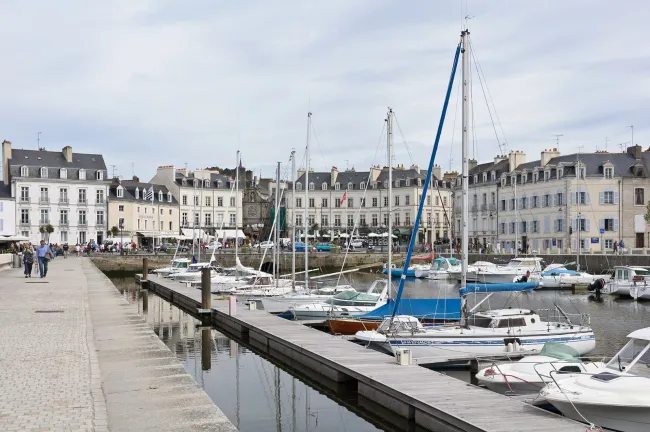
Normandy combines seaside towns, broad shores and locations central to wartime history. A town beach with cafés and transport serves a different purpose from a memorial landscape or an exposed stretch of coast. Choose the day’s aim clearly. If you visit landing beaches and cemeteries, allow time for interpretation and respectful behaviour rather than treating every stop as an ordinary holiday photo location.
Tides, wind and the surface of the beach still need attention. Check the local access and supervision for a swim rather than relying on the presence of visitors. Some cliff areas are affected by erosion and falling material; follow posted restrictions and stay away from unstable edges or bases. A harbour town or museum provides a useful weather alternative. For a short stay, choose a base that puts your main beach or history area within a manageable journey. The whole Normandy coast is too broad to treat as one compact outing.
Corsica: choose one part of the coast
Corsica can provide a distinctive coastal trip, but island transport and road geography deserve their own planning. Bonifacio and the southern coast offer a different setting from other parts of the island. A beach appearing close on a map may involve a slow road and a final walk. Choose a base around the coast you intend to use most often instead of trying to cover the entire island through daily drives.
Check the ferry or flight, onward transport and rental conditions together. If taking a vehicle by ferry, obtain the rental company’s permission where required. Research the actual beach facilities, shade and access path before arriving with children or a traveller who needs assistance. Popular locations can have parking pressure, so leave flexibility in the day. A coastal walk or town visit is a worthwhile alternative when water conditions are unsuitable. Keep nature protection and local access rules in mind, especially around dunes, coves and sensitive coastal habitats.
Plan a beach day around conditions and facilities

Before setting out, check the forecast, tide where relevant, local flags, access restrictions and return transport. Bring water, sun protection and suitable footwear, and keep valuables limited. If you book a beach service, read what is included and what happens when conditions change. A paid sunbed or boat ticket is not evidence that the water is suitable for every swimmer. Follow lifeguard and operator instructions.
For families, identify toilets, shade, food and a manageable route back to the accommodation. For accessibility, ask about the full route and any specialist assistance rather than relying on a general label. Do not leave litter or disturb wildlife to reach a more private patch of shore. Use the season guide to choose a broad travel period and the safety guide for practical outdoor precautions. A good beach day is one that fits both the place and the people in your group.
| Coast | Typical appeal | Key planning check |
|---|---|---|
| Riviera | City access, pebble beaches and waterfront walks | Surface, shade and the exact beach |
| Provence / Calanques | Rocky coves and scenery | Walking demands, fire restrictions and reservations |
| Atlantic southwest | Sandy shores and surfing | Waves, currents and supervised swimming |
| Brittany | Coves, ports and coastal paths | Tide timing, exposure and island connections |
| Normandy | Seaside towns and historic coast | Purpose of visit, tides and cliff restrictions |
| Corsica | Island scenery and varied coves | Road journey, parking and local access |
Travel Tip: Choose a beach for the whole day’s needs: safe conditions, toilets, shade and an easy return often matter more than the photograph that first attracted you.
Official planning resources
Check the relevant operators and authorities before committing to a date. Practical information was reviewed on 11 October 2026; live timetables, operating conditions and entry rules can change.
Tours, Tickets & Experiences
France Travel Tips & Inspiration