For a first Czech Republic trip combining towns, gardens and some countryside time, start by comparing May, June and September. That is an editorial starting point, not a guarantee of sunshine or empty streets. The better date is the one on which your main experience is available and the daily rhythm suits the people travelling.
A Prague city break can work on dates that would be unsuitable for a particular mountain walk. A winter spa stay and a summer castle circuit also need different preparation. Choose the main activity first, then test the dates against its official calendar. The country travel guide helps you choose the trip shape; this page covers weather-related trade-offs, seasonal access and the consequences for your route.
The Quick Choice by Travel Style
| Travel style | A starting period to compare | Main qualification |
|---|---|---|
| Mixed towns and heritage | Late spring or early autumn | Check the particular castle circuit and public holidays |
| Long outdoor days | Summer | Heat, thunderstorms and busy periods still need a plan |
| Spa and indoor culture | Any suitable operating period, including winter | Book the actual treatment, pool or performance |
| Vineyard and harvest interests | Late summer and autumn | Verify the event or cellar appointment rather than relying on a seasonal label |
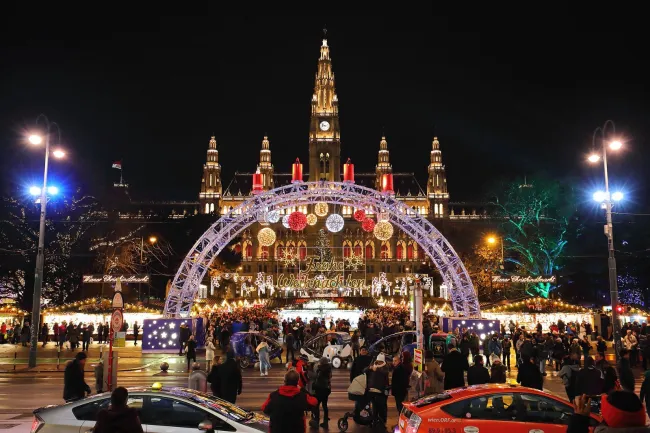
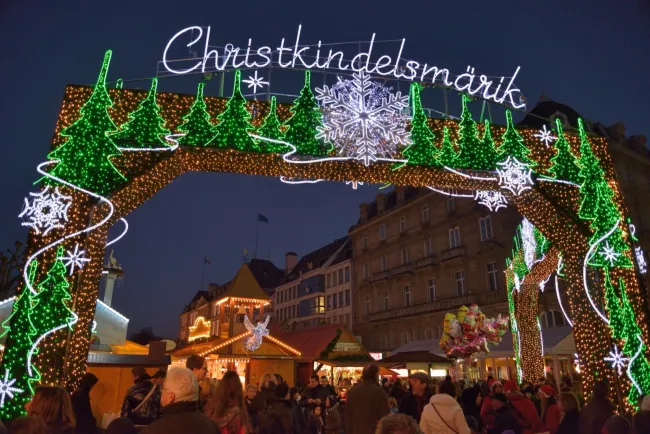
| Christmas-market break | The organiser's announced Advent dates | Dates differ by city; one market photograph does not establish this year's programme |
| Mountain walking | Dates matched to the specific route and conditions | Weather and access outweigh the calendar month |
CzechTourism's off-season guidance provides a useful broad comparison. It does not remove the need to check individual operators. A quieter weekday and a public-holiday weekend within the same month can feel like different seasons.
Weather: Plan for the Region and the Day
Do not apply a Prague forecast to every destination. A sheltered city walk, a forest outing and an exposed mountain ridge have different practical demands. Keep a waterproof layer and choose shoes for the surfaces you will actually use. If the day's main activity depends on a clear view, leave enough flexibility to swap it with an indoor visit.
For forecasts and warnings, use the Czech Hydrometeorological Institute. Climate averages can describe a broad pattern, but they cannot tell you whether a particular afternoon will be wet or whether a mountain route is appropriate. This guide therefore avoids a single national temperature table that would blur altitude and regional differences.
Month-by-Month Planning Guide
| Month | A useful trip emphasis | What needs special attention |
|---|---|---|
| January | Cities, museums and a deliberately chosen spa stay | Short daylight and the exact post-holiday opening calendar |
| February | Indoor culture or a winter activity trip | Mountain conditions and school-holiday demand where relevant |
| March | A selective city trip and early spring outings | Uneven seasonal reopening and conditions outside towns |
| April | Heritage visits and spring landscapes | Easter timing, available circuits and changeable weather |
| May | Gardens, towns and a mixed regional route | Holiday weekends and timed reservations |
| June | Longer days for towns and outdoor plans | Busy events and an alternative to a weather-dependent outing |
| July | Settled regional stays and summer activities | Demand at popular places, heat management and reservations |
| August | Countryside time and a considered family route | Crowds, transport choices and the actual activity calendar |
| September | Town-and-country combinations and selected wine interests | Harvest-event dates, cellar appointments and return transport |
| October | Heritage towns, autumn landscapes and indoor alternatives | Shorter days and the remaining seasonal opening dates |
| November | Cities, spa stays and selected cultural visits | Reduced visitor programmes and whether Advent events have begun |
| December | Announced markets, performances and winter city time | Christmas closures, holiday meals and early booking where needed |
Use this table to identify questions, not to make a non-refundable booking without checking. When a named garden, theatre or castle is the reason for travelling, its published calendar takes priority over a generic best-month recommendation.
Spring: A Good Mixed-Trip Starting Point
Spring can suit visitors who want both urban sightseeing and countryside time without making every day an outdoor expedition. Keep the programme flexible enough to exchange a garden afternoon with a museum. Check whether the attraction's full seasonal programme has started, particularly for a visit outside the larger cities.
Holiday timing deserves attention. A spring weekend can bring special events and different opening arrangements, while the following weekday may offer another experience entirely. Reserve around the activity you want rather than assuming all dates in April or May behave alike. For a family, a compact programme with one dependable indoor option is easier to adjust than a long route built entirely around fair weather.
Summer: More Time Outdoors, More Reason to Pace the Day
Longer daylight makes room for a later town walk or a countryside stay, but it does not make every hour equally comfortable. Keep water, shade and breaks in the plan. A busy historic square in the middle of the day may be less appealing than a slower morning followed by an indoor visit and an evening meal.
Book accommodation by its practical comfort as well as its location. Ask about the actual room, window arrangement and cooling if those matter to you; a general property label is not an answer about every room. For outdoor activities, read the operator's weather and cancellation policy. A river activity, a hill walk and a park stroll should not share the same assumptions about conditions.

Autumn: Separate the Landscape Trip From the Event Trip
Autumn can work particularly well for a town-and-country combination when the itinerary remains selective. Check the final available castle circuits and any reduced opening days. Build shorter outdoor blocks as daylight decreases, and avoid arriving at a rural base so late that the evening transport or dinner choice becomes a problem.
If a harvest celebration or wine event is the attraction, use the organiser's confirmed dates and booking requirements. A general regional wine season does not mean every cellar is open for walk-in visitors. The food and drink guide explains the tasting decision, while Where to Stay helps you choose whether to sleep in a wine town or return to Brno.
Winter: Visit the Experience That Is Actually Open
Winter is not a single nationwide closure. The National Heritage Institute's year-round list shows that selected heritage visits continue, although circuits and holiday dates differ. Check the named museum, tower or guided interior rather than assuming an open complex means unrestricted access throughout.
For a city-led winter trip, put warm breaks between outdoor sequences and choose fewer distant stops. For a spa stay, confirm the service you want before booking a room around it. For mountain activities, seek the relevant local forecasts and operator guidance. An available hotel or cable-car ticket does not establish that every surrounding walking route suits the conditions or your experience.

Crowds, Events and Accommodation Value
Compare actual dates rather than relying on the idea that one season is always cheap. A major event can change room availability and the atmosphere of a town. A useful saving may come from shifting the stay to another part of the week, choosing a different room category or spending more nights in one base.
Read cancellation terms alongside the forecast uncertainty. A slightly higher flexible rate can be useful when the whole trip depends on a specific outdoor activity, but compare the full conditions. A prepaid bargain is less helpful if the cancellation deadline comes before you can make the important weather decision. Use Travel Costs & Money to compare the entire trip, including changes of base.
Check the Route Again Before Departure
Revisit the most sensitive parts of the plan: a mountain outing, the final seasonal castle tour, a ferry-like river activity or a remote evening return. Check again when the travel date is close enough for meaningful information. Keep an indoor alternative in the same region so a change does not require rebuilding the whole holiday.
For a multi-region journey, the itinerary outlines should be adjusted to the season. Removing one stop can create the spare time needed for slower winter travel or a relaxed summer day. The objective is a satisfying trip on your dates, not completing a route designed for another month.
Best Time to Visit the Czech Republic FAQ
What is the safest general starting point for a first sightseeing trip?
Compare late spring and early autumn, then verify the visits and events you care about. The recommendation is a planning starting point, not a guarantee of weather or low crowds.
Is December a good time for a countrywide road trip?
It needs a different plan from summer. Check holiday openings, daylight, road conditions and the practical value of every rural stop. A smaller city-and-spa route may suit the available days better.
Should I avoid Prague in summer?
Choose by your interests and tolerance for busy periods. A paced day, appropriate accommodation and selective reservations can work better than rejecting an entire season without considering your actual dates.
Editorial source review: 26 November 2026. Check the linked official services for changes affecting your dates.