
Sign in
For Photos4Travel editors and team members.


Brazil · Rio de Janeiro guide
Rio de Janeiro Travel Guide: Plan Your First Trip
Rio rewards a little flexibility. A clear morning belongs to the mountains; a cloudy afternoon can become a museum visit; a beach day works best when the sea, weather and your return journey all make sense. Choose a few experiences that belong together and leave time to enjoy them.
On this page · 9 sections ShowHide
For a first visit, start with three full days based in the South Zone, then add time for the forest, Niterói or slower neighbourhood walks. This guide connects the main decisions: where to stay, which experiences need booking, how to group your days and where to find the details before you commit.
Rio at a glance
Swipe to compare, or focus the table and use the arrow keys.
| Decision | Useful starting point |
|---|---|
| Length of stay | Three full days for a selective first visit; five for a less hurried mix of coast, culture and forest. |
| First base | Copacabana or Ipanema with a practical route to the metro; compare the actual street and hotel location. |
| Advance bookings | Corcovado transport and entry, Sugarloaf, and any specific performance or football fixture you would regret missing. |
| Weather flexibility | Keep one viewpoint block movable and one indoor cultural alternative. |
| Money and language | Brazilian reais (BRL/R$) and Portuguese. Save addresses in Portuguese and carry a backup payment method. |
| Arrival airports | Check whether your ticket uses Galeão (GIG) or Santos Dumont (SDU); the transfer arrangements differ. |
Rio is a city and also the name of its surrounding state. Trips to other state destinations should not be mistaken for short neighbourhood transfers. Even within the city, mountains and the bay make a simple map distance a poor guide to the time a journey will take.
Choose the experiences that matter to you


For the classic skyline, prioritise Christ the Redeemer and Sugarloaf, with separate blocks for each. Corcovado gives you the statue and an elevated view over the city; Sugarloaf puts the bay, beaches and surrounding hills into a different perspective. The Things to Do guide explains their transport and booking differences.
For a cultural trip, give Centro and the port district a full day. A museum visit and the history of Pequena África offer something that a circuit of photo stops cannot. Read the history, museums and architecture guide before deciding which interiors to visit.
For outdoor time, choose a manageable forest outing or the Botanical Garden alongside your coastal walks. A garden visit, a national-park drive and a mountain hike have different demands; they are not interchangeable versions of the same excursion. Families may prefer shorter outdoor blocks with reliable meal and rest stops. More active visitors can devote a separate day to a suitable guided forest route.
How many days do you need?
These plans use one hotel base and count full sightseeing days. Arrival and departure come separately: three nights may leave only two full days. The order is flexible, so place your most important viewpoint in the clearest available weather and fit the cultural day around opening days. The morning, afternoon and evening blocks below are suggested allocations, with space for meals and travel.
Swipe to compare, or focus the table and use the arrow keys.
| Time available | A workable route | What to leave out |
|---|---|---|
| 1 day | One mountain, lunch and a relaxed coastal afternoon. | The second mountain, forest and Niterói. |
| 3 days | Corcovado and the South Zone; a port cultural day; Sugarloaf and Urca. | A long cross-bay outing or a second major visit every afternoon. |
| 5 days | The three-day route, a garden or forest day, then Niterói or a slower city day. | A distant excursion added without removing another day. |
One full day: choose your main view
For Christ the Redeemer: book the morning train or official van, then keep the afternoon on the South Zone coast. Have lunch after returning, choose a manageable section of the Copacabana or Ipanema promenade and stop when you want a rest. Put dinner near your hotel; there is no need to cross the city again for the evening.
For Sugarloaf: spend the morning on the coast, have an unhurried lunch and continue to Urca for your booked cable-car visit. Allow time at both Morro da Urca and Pão de Açúcar. This sequence suits an afternoon ticket, but a morning visit is equally useful when visibility or availability favours it. Finish with a meal in Urca or back near your base. Sunset is a possibility, not a promised part of the ticket.
If a mountain view is the main reason for this day, check conditions before committing to a replacement activity. In persistent cloud, choose one open museum and a meal nearby. In severe weather, follow official alerts and operator instructions.
Three full days: viewpoints, culture and the coast
Use the sequence below as a starting point. Both mountain days leave a lighter second block; the port day has one main museum. Keep the same hotel throughout and return there between sightseeing and an evening booking when that gives you a more comfortable day.
Swipe to compare, or focus the table and use the arrow keys.
| Day | Morning | Afternoon | Evening and practical limit |
|---|---|---|---|
| 1 — Corcovado and the South Zone | Use the booked train from Cosme Velho or the official van from your selected boarding point. Include the return journey in this block. | Lunch, rest and a short coastal walk in Copacabana or Ipanema. Keep swimming optional and dependent on current conditions. | Dinner near your base. Leave a distant music venue for a day when its programme and your energy fit. |
| 2 — Valongo and the port museums | Begin in daylight at Valongo Wharf, ideally with a locally informed history walk that explains Pequena África. | Eat in the area, then visit Museu do Amanhã at Praça Mauá on the booked date and hour. Give the exhibitions a substantial block. | Return to your hotel. If you want a music evening, choose a specific session from the food and nightlife guide and arrange the return. |
| 3 — Sugarloaf and Urca | Take the cable cars from Praia Vermelha, allowing time at both viewpoints. An afternoon reservation can reverse the first two blocks. | Lunch in Urca and a short daylight waterfront walk, or return to the hotel for a rest. Keep this local. | A relaxed final meal. Confirm the next day's airport or onward transfer before going out. |
Getting to Corcovado: the official van boards at Praça do Lido in Copacabana or in front of Nossa Senhora da Glória Church beside Largo do Machado metro. Choose that exact departure when booking. The train uses Cosme Velho instead; the metro does not take you to its platform. The Corcovado planning section explains the ticket and transport differences.
Check access before booking Day 1: current Corcovado works leave an 80-step final staircase, with weather limits on assisted stair-climbing equipment. Read the dated access guidance before choosing this visit, especially if steps are difficult for anyone in your group.
For the port day: from a South Zone metro station, connect with VLT Line 1 at Carioca or Cinelândia, towards Terminal Gentileza. The operator's route includes Parada dos Navios–Valongo and Parada dos Museus, useful for the two parts of this day. Check the platform direction and the final walk on the city map; load your VLT payment before boarding and validate inside.
For Sugarloaf: the operator's access instructions give Botafogo metro, exit E–Mena Barreto, followed by bus 513 from Rua Voluntários da Pátria to UNIRIO and a final walk to the entrance on Avenida Pasteur. A licensed taxi or app booking can simplify that last connection. Save the entrance address and agree on the return pickup.
Swap the cultural day when necessary: Museu do Amanhã closes on Wednesdays. Move Day 2, or choose CCBB's exhibitions in Centro instead and redraw that day's route around CCBB; it closes on Tuesdays. Reserve any required session before setting off. A change to a paid mountain booking must follow that ticket's terms.
Five full days: add a garden day and one flexible outing
Keep Days 1–3 above, then add the two days below. Use their flexibility to move a clouded-out viewpoint when your ticket permits. If beach time matters more than another attraction, give one of these days to the coast and reduce the rest of the programme.
Swipe to compare, or focus the table and use the arrow keys.
| Day | Morning | Afternoon | Evening and alternative |
|---|---|---|---|
| 4 — Botanical Garden and Lagoa | Visit the Botanical Garden's arboretum from Rua Jardim Botânico 1008. On Wednesdays it opens at 11am, so start later or reverse the blocks. | Lunch nearby, then a short Lagoa-side walk or a hotel rest. Arrange a road connection when the extra walk does not suit your group. | Dinner in your chosen neighbourhood. A prearranged Tijuca Forest outing can replace this whole day; do not add it after the garden. |
| 5 — Niterói, or more time in Rio | Cross from Praça XV to Praça Arariboia, then take onward transport to MAC Niterói after confirming gallery access. | Visit the museum, have lunch and return with a comfortable margin for both the local connection and ferry. | Eat near your Rio base. For a quieter alternative, use daylight for Selarón and a planned Santa Teresa visit, or keep a beach-and-neighbourhood day. |
The garden's current hours distinguish the arboretum from its museum. Nearby Parque Lage's palace remains under restoration; its courtyard is not a dependable extra stop. For a forest replacement, use the Tijuca planning guidance to choose the sector, walking effort, transport and return pickup with your guide.
For Niterói, check the Praça XV–Arariboia ferry timetable for the actual day, including the return. The terminal is not at MAC: price and arrange that separate connection. Read the MAC visit guidance before crossing, because gallery access, exhibition changes and courtyard access are separate questions. Keep this outing away from your flight day.
Book the parts that control the day
Settle your hotel and usable sightseeing days first, then choose mountain tickets with the correct transport and boarding point. Reserve the museum session, guided walk or evening performance that matters to you. Add the remaining meals and local journeys around those bookings. Check the total for everyone travelling: individual admissions, local fares and any pickup beyond the tour's included area.
With children, keep the second block short and leave a proper meal and rest break. For limited mobility, confirm station lifts, the final pavement route and attraction access directly; an accessible vehicle alone does not establish a continuous route. Day 4's garden choice and a road transfer can reduce changes, while the Selarón staircase may be unsuitable. Use the weather guide and the cultural alternatives together when rearranging the days.
Pick a base before choosing a hotel
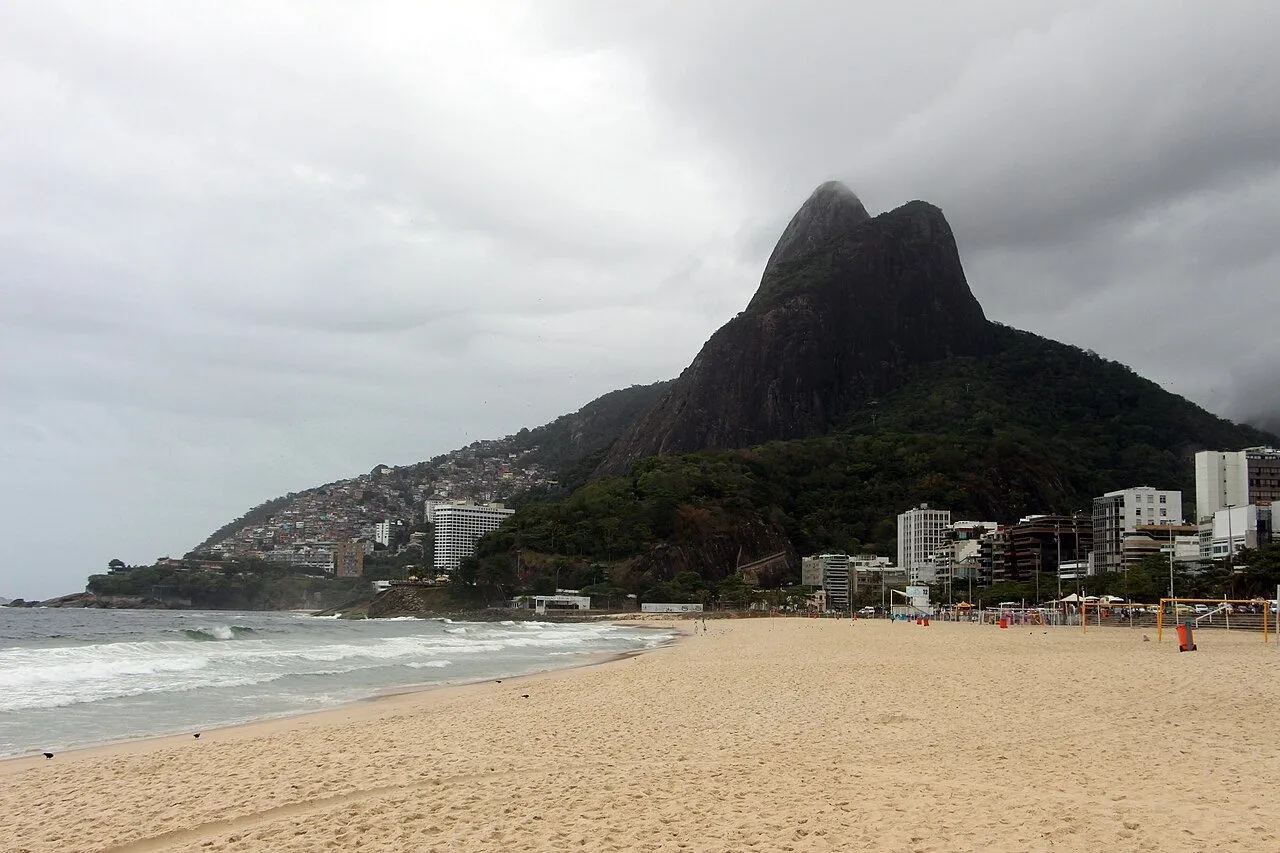

Copacabana is a practical starting point for travellers who want a wide hotel choice and a familiar coastal base. Ipanema suits a trip built around beach walks, dining and time on foot. Leblon is worth comparing for a quieter neighbourhood rhythm, while Botafogo can work well when dining and transport matter more than staying on an ocean-facing beach. Santa Teresa offers a different hillside setting, but steep streets and the return journey deserve attention before booking.
Choose the actual hotel address, not a neighbourhood reputation. Compare the walk to transport, lift access, room category, street noise and the route you would use after dinner. A sea view may apply only to selected rooms. The combined Hotels & Where to Stay guide brings the area comparison and individual properties together.
When to visit and what to book first
Rio's summer, broadly December to March, is its hottest period. June to August is usually milder; spring can still bring strong heat and thunderstorms. Choose the trade-off that suits your trip rather than expecting a guaranteed dry month. The Weather & When to Go guide explains the seasonal differences and how to use a short-range forecast.
Carnival changes accommodation demand, transport and the kind of trip you will have. For 2027, LIESA lists the Grupo Especial parades on 7–9 February and the Champions parade on 13 February. Those are Sambadrome dates, not the entire street-party calendar. Book the event you want, understand the seat or sector, and leave recovery time the following morning.
Outside major events, secure accommodation and the most important timed attraction first. Keep some flexibility for a clear view; a pre-booked ticket does not guarantee visibility.
Arrive and move around with a route in mind
GIG and SDU require different arrival plans. Check your airport code, arrival time, luggage and final hotel address before comparing public transport with an authorised taxi or app-booked ride. Neither airport should be described as having a direct metro station. Our Airports & Getting Around guide includes the city map and the relevant connections.
View the Rio map and neighbourhoods
For daily sightseeing, group nearby places and use the metro where it fits. Save tickets and essential addresses offline, and check the return route before leaving mobile data or Wi-Fi behind. A low-priced journey with several changes may be less useful with bags or tired children. At night, agree on a clear collection point rather than relying on an improvised walk through unfamiliar streets.
Build your budget and practical checklist
Start with your hotel quote, then add the attractions you want, actual airport transfers, meals and local journeys. A short list of admission fees is not a complete daily budget. The Travel Costs & Money guide separates dated unit prices from costs that depend on your dates and choices.
Before departure, check entry rules for your passport and itinerary, arrange suitable insurance and seek destination-specific health advice. Read the Health, Safety & Entry guide for official sources and emergency information. Theft is reported in visitor districts, including Copacabana and Ipanema; a popular address is not a safety guarantee. Keep valuables discreet and avoid city beaches after dark, in line with current official travel advice.
Leave room for food, the coast and unhurried photographs
A good Rio day needs more than admissions. Leave time for a meal in the neighbourhood you are already visiting, a coastal walk and a pause before the next journey. Our Food, Drink & Nightlife guide combines daytime food stops, music, markets and practical shopping choices.
Choose a beach by the experience you want, then check conditions on the day. A pleasant promenade, a scenic bay and a suitable place to swim are different things. The Beaches guide covers that distinction. For viewpoints, coastline compositions and respectful photography, use the consolidated Photo Spots guide. Keep equipment modest, ask before photographing people closely and never trade awareness of your surroundings for a picture.
Explore Rio de Janeiro tours and activities
Compare Rio de Janeiro hotel availability
Travel Tip: Give your best-weather morning to the view you care about most. Move a museum or meal around it, rather than adding both mountains to an already crowded day.
Rio de Janeiro trip-planning FAQs
Is three days enough for a first visit to Rio?
Three full days can cover two major viewpoints, a cultural day and some coastal time if you group your journeys carefully. Five days gives you more flexibility for weather, the forest or a Niterói outing.
Should I book Christ the Redeemer and Sugarloaf for the same day?
You can, but separate blocks on different days create more room for queues, transfers and changes in visibility. If you have only one full day, prioritise the attraction you most want to see.
Where is the most practical place to stay on a first trip?
Copacabana and Ipanema are useful starting points, especially with a practical route to the metro. Compare the specific hotel street, room category and evening return route before booking.
What should I do if the mountains are in cloud?
Use a museum, a cultural visit or a planned meal as your flexible alternative. Check that venue's closing day and booking arrangements; a cloudy morning does not automatically mean every indoor attraction is open.
Can I treat a beach day as a swimming day?
Check current bathing-water guidance and lifeguard advice first. Conditions vary by location and weather, and clean-water status does not tell you whether currents are safe.
We may earn a commission if you book through our GetYourGuide links. We may earn a commission if you book through our Booking.com links.