

Choose Great Britain and Ireland by the experiences you want to keep returning to: a walkable historic city, a castle-rich coast, a landscape for slower exploration or a place whose stories reward a closer look. This shortlist explains the differences between selected places rather than asking you to collect every famous name.
Great Britain means England, Scotland and Wales. The Ireland section below covers the island of Ireland, with the Republic of Ireland and Northern Ireland identified separately. These are geographic groupings for choosing places; transport, entry requirements and practical arrangements must be checked for your actual route.
Choose the kind of trip you want
- Historic streets and indoor options. Bath, York and Edinburgh offer architectural character alongside museums, churches or castles. They suit a trip built around walking and a small number of substantial visits.
- Landscapes with a settled base. The Lake District, the Trossachs and Killarney work best when you leave space to explore locally. Choose the landscape first, then select accommodation and transport around the outings you actually want.
- Coastal character. North Wales, Skye and the Antrim coast offer different combinations of settlements, history and exposed scenery. A coastline on a map does not mean every viewpoint is an easy or accessible walk.
England
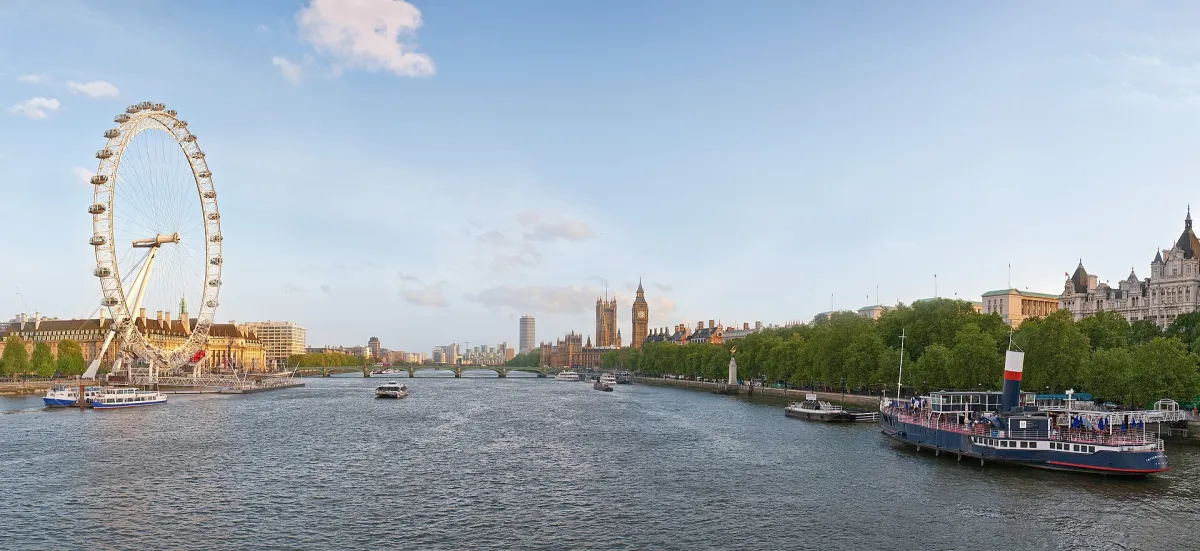
For a first selection, contrast a compact heritage city with one countryside area. London can provide the city anchor, but every distant region need not become an excursion from it. The England travel guide and London guide explain how to turn that choice into a workable stay.
- Bath. Choose Bath for Roman heritage and Georgian streets that make sense together on foot. The Royal Crescent is an architectural setting rather than a single ticketed attraction; decide separately whether a museum, the Roman Baths or a modern spa is the experience you want.
- York. Choose York if medieval streets, the city walls and York Minster appeal more than a rural driving route. It offers a different historical emphasis from Bath, so the two need not compete for the same slot on a short holiday.
- The Cotswolds. Choose a small group of villages or a section of walking country, not a race between every familiar stone cottage photograph. Bath and the Cotswolds can complement each other, but check the actual village connections before relying on public transport.
- The Lake District. Choose the Lakes for water, fell scenery and time outdoors. Lakeside towns and gentle shore paths are different choices from exposed mountain routes. Keep flexibility for conditions and choose walks by ability rather than by how dramatic a summit looks in a photograph.
Scotland


Edinburgh, Skye and the Trossachs offer three distinct reasons to choose Scotland: an urban history base, a more distant island landscape and loch-and-forest country. Read the United Kingdom travel guide for the broader planning context rather than treating these as consecutive stops on every visit.
- Edinburgh and its castle. Choose Edinburgh for a city where the relationship between castle, Old Town and surrounding streets is part of the experience. A castle visit and a festival visit require different decisions; check the actual programme before building a trip around an event.
- The Isle of Skye. Choose Skye for a stay shaped by coastal peninsulas, mountain views and smaller settlements. Portree is one possible base, not a promise that every remote walk or boat outing is simple from one address. Select a part of the island rather than planning every celebrated viewpoint.
- The Trossachs. Choose the Trossachs for forested hills, lochs and a landscape-focused break with a different scale from Skye. Callander, Aberfoyle and Loch Katrine help define the area; the right base depends on whether your priority is a particular walk, water activity or relaxed scenery.
Wales

Wales rewards a choice between north-coast castle country and the landscapes or historic sites of the south. Pick the area that fits your interests before adding an attraction at the opposite end of the country.
- Caernarfon Castle. Choose Caernarfon for monumental medieval architecture in a town setting, with the waterfront providing context beyond the walls. Tower routes and different levels of the castle have their own access constraints; consult Cadw’s current visitor information if stairs or evacuation assistance affect your choice.
- Portmeirion. Choose Portmeirion when designed architecture and a coastal setting appeal more than another castle interior. It is a managed visitor destination, so confirm the current admission arrangements rather than treating it as an unrestricted public village.
- Tintern Abbey. Choose Tintern for the contrast between a ruined Gothic church and the Wye Valley landscape. Cadw currently reports conservation work affecting parts of the church. Check the latest site notice before deciding which areas or views are essential to your visit.
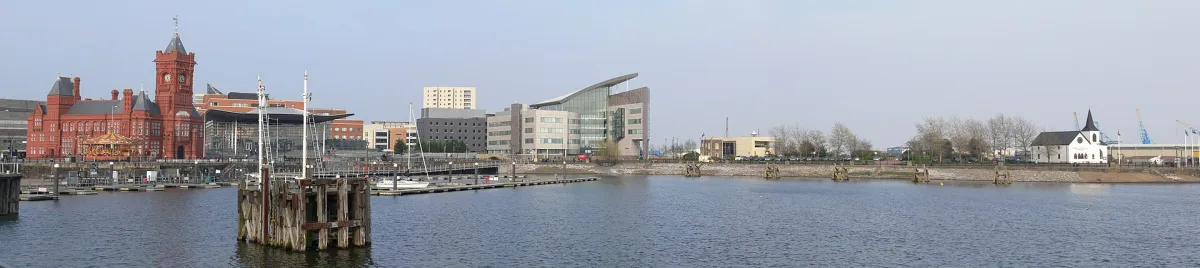
- Cardiff Bay. Choose Cardiff Bay for a modern waterfront setting that contrasts with Wales’s medieval monuments. It offers a different city experience from a castle visit; consider it when public spaces, architecture and a more urban base are your priority.
Ireland: the Republic and Northern Ireland
The island offers several different travel shapes. Dublin is a city choice, Killarney and Connemara invite a landscape stay, and the Antrim coast belongs to Northern Ireland. Choose a coherent area rather than joining them only because they appear in the same collection.
- Dublin and the Book of Kells. Choose Dublin for literary and cultural interests with a city base. The Book of Kells is a particular visitor experience, not a substitute for exploring the city. Confirm what the ticket includes and the current visitor route before reserving.
- Killarney National Park, Republic of Ireland. Choose Killarney for lakes, woodland and the relationship between natural scenery and places such as Muckross and Ross Castle. It suits travellers who want to revisit an area from one base rather than complete a long coastal driving checklist.
- Connemara, Republic of Ireland. Choose Connemara when a more open landscape, coast and small settlements matter more than a dense schedule of monuments. Check which part you want to explore before choosing a base; a broad regional label can conceal substantial distances.
- Giant’s Causeway, Northern Ireland. Choose the Causeway for its basalt formations and coastal setting. The shore and the higher paths are distinct experiences, with different surfaces and exposure. Use the National Trust’s current access information to choose a suitable route; pair it with a considered Antrim coast stay.
Turn your choices into a manageable route
Group places by the experience and geography that connect them. Bath with a limited Cotswolds stay, Edinburgh with a selected Scottish landscape, or Killarney with nearby Kerry interests are editorial starting points, not fixed itineraries. Check connections and allow time at the destination before adding another overnight base.
Reserve the visits that matter most only after checking the official attraction page. Castle interiors, heritage buildings and island excursions may have different opening patterns, access restrictions or weather limitations. An old hotel or restaurant name in a travel collection is not proof of a current bookable experience; this shortlist concentrates on places with a clear continuing visitor purpose.
For the next planning step, use England’s detailed experiences or the United Kingdom guide where they cover your chosen area. Keep the regional shortlist as your answer to where and why, then let the destination guide answer how.
Sources and further reading
For a focused Berkshire visit, read our Cliveden article.
Use the responsible attraction, park or operator for current visiting arrangements.
Frequently asked questions
Should a first trip include all four sections?
No. These sections explain the range of choices. A focused England trip, a Scottish city-and-landscape stay or a visit centred on one part of Ireland can be more satisfying than moving through every section.
Can I use one country’s entry rules for the whole collection?
No. The collection is geographic. Check the official requirements for the countries and border crossings on your actual itinerary, especially when combining the Republic of Ireland with the United Kingdom.
Do I need to drive?
That depends on the places chosen. A city-led selection differs from a route through small villages or remote coastal areas. Verify the actual local connections before booking accommodation; a national rail connection does not establish the final leg.