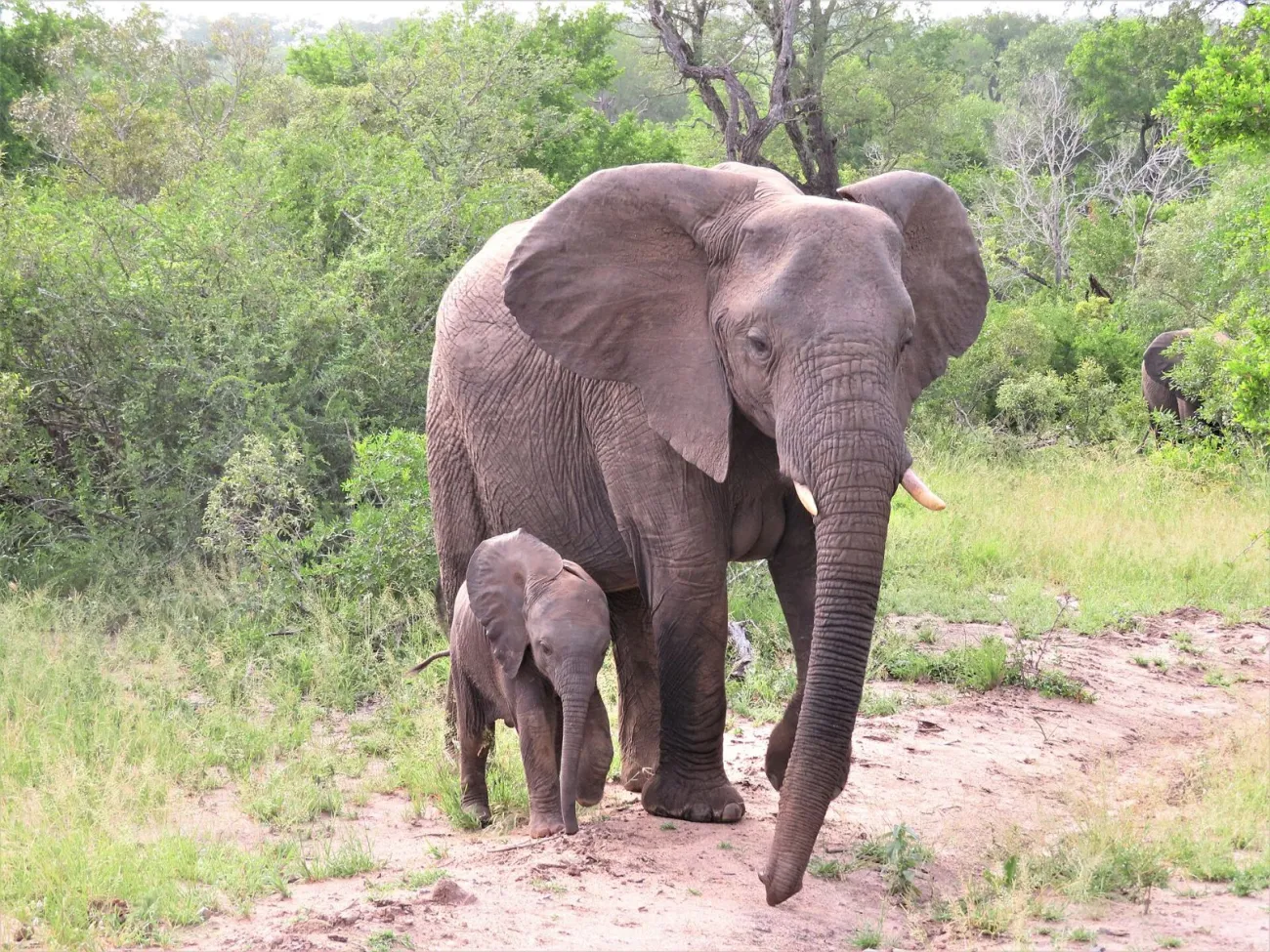
An elephant mother and calf at Sabi Sand Private Game Reserve, South Africa, photographed on 6 March 2019. Photo: Cosal · CC BY-SA 4.0 · Resized.
For a first safari in South Africa, choose between two very different experiences in the same ecosystem: self-driving in Kruger National Park, or staying at a private lodge in the Sabi Sand. Kruger is cheaper and gives you freedom; the Sabi Sand costs far more but includes expert guides, open vehicles and close leopard sightings. Many visitors combine the two.
This guide was researched on 5 November 2026 using official park, reserve and health information where it could be reached. Fees change every year, so confirm them before you travel.
Kruger vs Sabi Sand
Swipe or scroll horizontally to see the full table.
| Question | Kruger National Park | Sabi Sand |
|---|---|---|
| How you see wildlife | Self-drive on public roads, or join park game drives | Guided drives in open vehicles with a ranger and tracker |
| Off-road driving | Not allowed | Lodges can follow animals off-road under reserve rules |
| Where you stay | Rest camps, from camping to cottages | Private lodges, usually all-inclusive |
| Entry fees | Daily conservation fee per person | Gate fee per vehicle and per person on each entry |
| Cost | Budget to mid-range | High-end |
| Best for | Independent travellers and families on a budget | A short, intensive first safari |
Kruger National Park
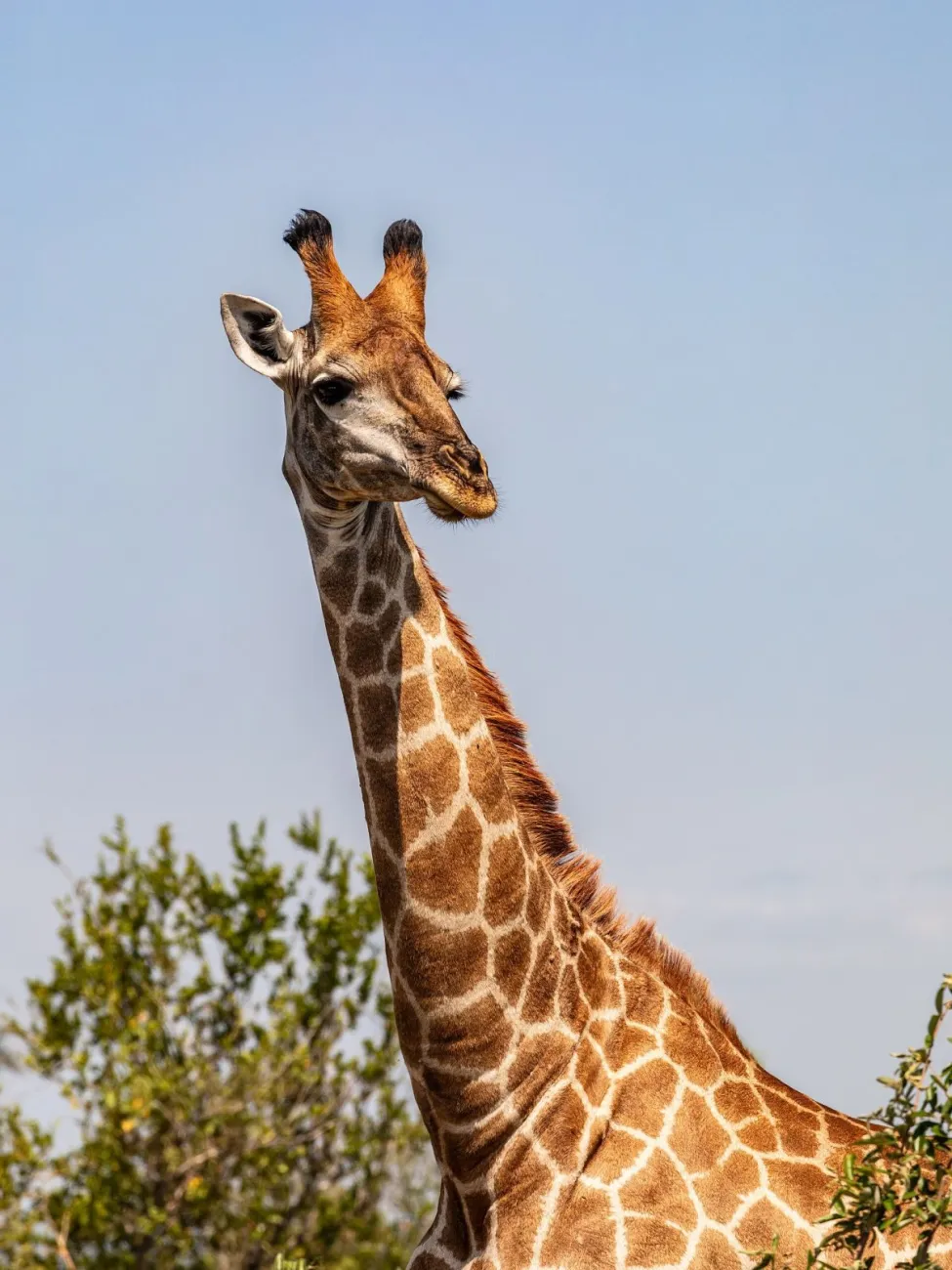
Kruger covers almost two million hectares of the north-east of South Africa and is one of Africa's largest national parks. Its tarred and gravel roads, rest camps and picnic sites make it one of the easiest places in the world to self-drive a safari. You stay in your vehicle except at designated places, and the park's gates and camps open and close at fixed times, which change with the seasons.
Every visitor pays a daily conservation fee. From 1 November 2026, the international adult rate rose to R692 per person per day, with lower rates for children, residents of SADC countries and South Africans. The fee is charged for every day you are in the park, including arrival and departure days. Kruger's gates are cashless, and gate quotas can apply in busy holiday periods, so book accommodation and day visits early.
If you do not want to drive yourself, SANParks runs guided morning, sunset and night drives from the main rest camps. The sunset and night drives are the only way to see Kruger after the gates close.
The Sabi Sand
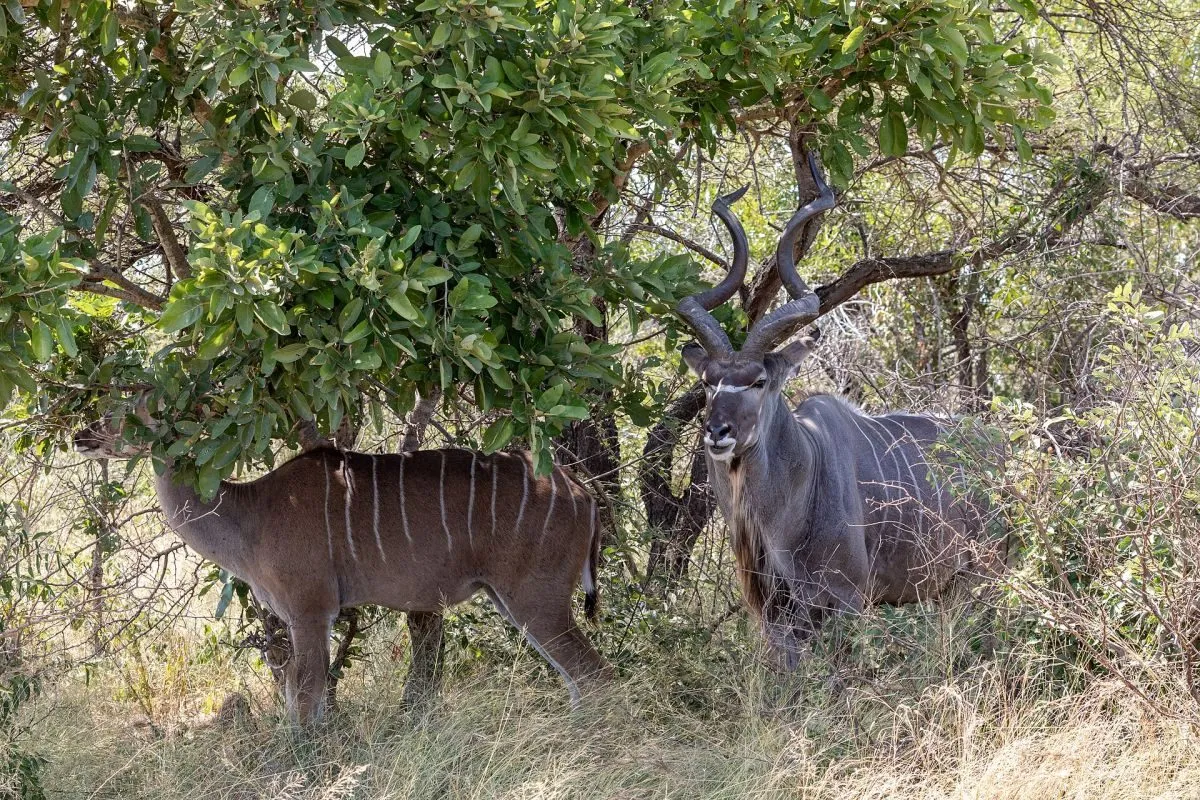
The Sabi Sand, between the Sabie and Sand rivers on Kruger's south-western edge, describes itself as South Africa's first private nature reserve. It is part of the Greater Kruger's open ecosystem, so wildlife moves freely between the reserve and the national park. It is especially known for leopard sightings.
Access is only for guests of the reserve's lodges, which arrange the gate permit. In 2026 the gate fees are R370 per light vehicle and R170 per person on each entry. Most lodges include two guided drives a day, meals and some walks in their rates, so the gate fee is a small part of the overall cost.
When to go
The dry winter months, roughly May to September, are usually best for game viewing: the bush thins out, and animals gather near water. Mornings and evenings can be cold in open vehicles, so bring warm layers. The green summer season, from about November to March, is hotter and wetter, with lush scenery, newborn animals and excellent birdlife, and is often better value at private lodges. The festive season and Easter are the busiest times in Kruger.
Health and safety
- Malaria: the CDC lists Kruger National Park and the surrounding Ehlanzeni District of Mpumalanga as malaria areas and recommends preventive medication. See a travel clinic before you go, and seek medical help immediately if you have a fever during or after your trip.
- Vaccinations: the CDC also recommends hepatitis A for most travellers.
- In the park: stay in your vehicle except at designated areas, keep to the speed limits, never feed animals, and plan to reach your camp before the gates close.
- On the road: avoid driving at night outside the park, as the CDC advises for South Africa in general.
Getting there
The quickest way in is to fly. Kruger Mpumalanga International Airport (KMIA), near Mbombela, and Skukuza Airport inside Kruger both have direct flights from Johannesburg and Cape Town; many Sabi Sand lodges also arrange light-aircraft transfers to their own airstrips. Alternatively, Kruger's southern gates are about a five-hour drive from Johannesburg.
See our South Africa travel guide for wider trip planning.
South Africa safari: FAQ
Is Kruger or Sabi Sand better for a first safari?
Sabi Sand gives the most intensive wildlife experience in a short time; Kruger is better value and more flexible. Two nights at a private lodge plus a few days self-driving in Kruger is a popular combination.
How much is the Kruger entrance fee?
From 1 November 2026, international adults pay R692 per day. Children and residents pay less. Check SANParks before you travel.
Do I need malaria tablets for Kruger?
The CDC recommends preventive medication for Kruger National Park. Get advice from a travel clinic before you go.
Sources and planning checks
Facts were checked on 5 November 2026 against the Sabi Sand Wildtuin, the CDC and published reports of SANParks' 2026/27 fees. The SANParks website could not be read directly, so Kruger fees, gate times and drive programmes should be checked on sanparks.org before you travel. Recommendations are editorial judgments.
Affiliate note: Photos4Travel may earn a commission if you book through the lodge link in this article.