
Barcelona Sustainable Tourism
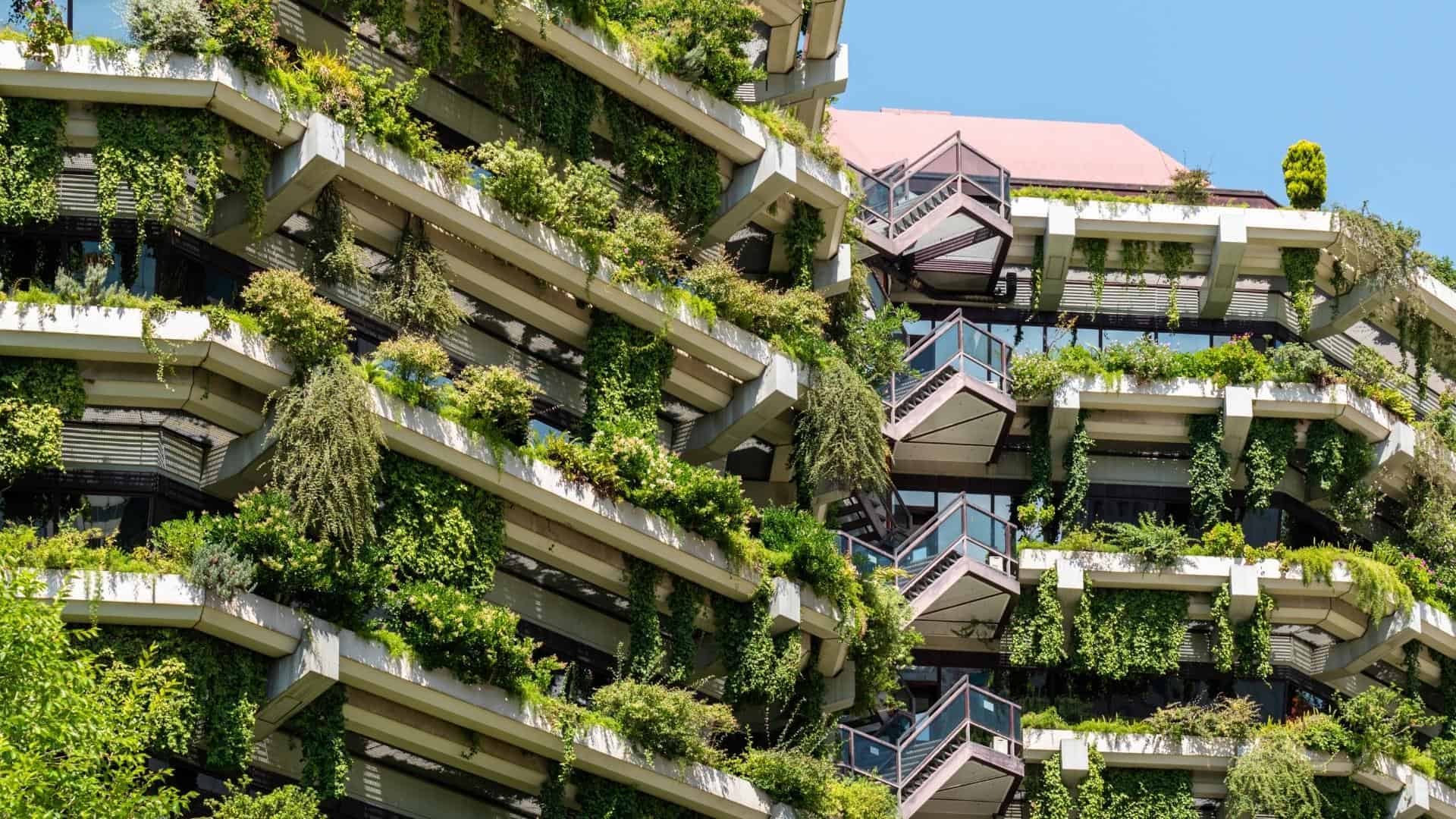
Barcelona Sustainable Tourism Guide – Eco-Friendly Travel & Responsible Practices
Barcelona is one of Europe’s most forward-thinking cities when it comes to sustainability. From its extensive public transport system and walkable districts to eco-certified hotels, recycling programs, local markets and community-based initiatives, Barcelona actively encourages responsible tourism. This guide explores practical ways to enjoy the city while reducing environmental impact, supporting local businesses and respecting the rhythms of neighborhood life.
For a smoother and greener trip, pair this guide with the Barcelona Transportation Guide and explore eco-friendly districts using the Barcelona Map.
Quick Snapshot – How to Travel Sustainably in Barcelona:
- Use public transport, bikes and walking routes
- Support local markets instead of mass tourism shops
- Choose eco-certified hotels
- Respect neighborhood quiet hours
- Use refillable water bottles at public fountains
- Participate in responsible beach use
1. Eco-Friendly Transportation
Barcelona provides multiple green transport options that help reduce emissions and road congestion. The city’s metro, buses, trams and bike lanes allow you to travel comfortably while minimizing environmental impact.
Metro & Tram
Electric-powered metro and tram systems are the most sustainable ways to move long distances. They connect major attractions, neighborhoods and coastal areas.
Walking
Many of Barcelona’s districts are compact, especially the Gothic Quarter, El Born, Gràcia and Eixample. Walking is the most eco-friendly and immersive way to enjoy the city.
Public Bikes & E-Bikes
Barcelona has an expanding network of bike lanes that make cycling safe and enjoyable. Visitors can rent bikes and e-bikes from private companies across the city.
Electric Scooters (Where Allowed)
Available through rental apps (with designated parking zones). They are an efficient and low-emission way to move between districts.
2. Eco-Friendly Accommodation
Many Barcelona hotels follow sustainability certifications such as EU Ecolabel and Biosphere Responsible Tourism. These properties focus on energy savings, reduced water use, recycling and supporting local communities.
- Look for “eco-certified” or “environmentally responsible” hotels
- Choose central areas to reduce transport emissions
- Support small boutique hotels instead of large chains
3. Sustainable Food Choices
Barcelona’s food culture is naturally local and seasonal, thanks to its deep Mediterranean culinary traditions. Choosing local ingredients, markets and small restaurants helps support sustainable food systems.
Local Markets
Food markets offer fresh produce, seafood, cheeses and Catalan specialties.
- Santa Caterina: Excellent for local produce
- Sant Antoni Market: Modern and community-oriented
- La Boqueria: Vibrant but busy—ideal for quick tastings
Local Restaurants (KM0 Concept)
Many restaurants source ingredients from nearby farms, following the “KM0” concept—meaning minimal transportation distance.
For restaurant recommendations, check the Barcelona Restaurants Guide.
Tapas Culture
Eating tapas reduces food waste by allowing guests to share small portions of different dishes, supporting a more sustainable dining model.
4. Eco-Friendly Beaches & Nature Areas
Responsible Beach Use
Barcelona maintains strict rules to keep beaches clean and environmentally safe. Beach visitors are encouraged to follow simple guidelines:
- Use designated trash and recycling bins
- Avoid single-use plastics
- Do not leave cigarette waste on the sand
- Respect lifeguard instructions
Natural Parks & Green Spaces
Barcelona has numerous green urban spaces and natural parks offering eco-friendly outdoor activities:
- Montjuïc Park – large gardens and walking paths
- Ciutadella Park – ideal for picnics and slow afternoons
- Collserola Natural Park – hiking, biking and scenic viewpoints
For beach recommendations and details, see the Barcelona Beaches Guide.
5. Supporting Local Culture & Communities
Sustainable tourism isn’t only about environmental practices—it also includes supporting local culture and respecting community life.
- Buy from local shops and artisans, not only tourist markets
- Attend local festivals and cultural events
- Respect siesta hours and noise guidelines in residential areas
- Choose local businesses over global franchises
6. Waste Reduction & Recycling
Barcelona uses a color-coded recycling system. Following these rules helps reduce landfill waste:
- Yellow: Plastic containers
- Blue: Paper & cardboard
- Green: Glass
- Brown: Organic waste
- Grey: General waste
Water Fountains
Public fountains throughout Barcelona provide safe drinking water. Bring a reusable bottle to reduce single-use plastic.
7. Ethical Tourism & Responsible Behavior
Tourism can impact local communities—positively and negatively. Being mindful helps maintain healthy relationships between visitors and residents.
- Avoid blocking narrow streets in large groups
- Do not photograph people without permission
- Stay on marked trails when hiking
- Support small family businesses
Common Mistakes to Avoid
- Using taxis for short distances instead of walking or cycling
- Eating only in tourist-heavy areas
- Leaving trash at beaches or parks
- Wasting water during hotel stays
- Ignoring quiet hours in residential neighborhoods
Insider Tips for Sustainable Travel in Barcelona:
- Visit neighborhoods like Gràcia and Poblenou to support local communities.
- Choose walking routes through historic districts instead of short metro rides.
- Buy fruit and snacks from markets rather than packaged supermarkets.
- Use refillable bottles—public fountains are everywhere.
- Look for KM0 restaurants for hyper-local ingredients and lower carbon impact.
Frequently Asked Questions
Is Barcelona a sustainable city?
Yes. The city invests heavily in eco-friendly transport, green policies, recycling and community-focused tourism.
How can I reduce my environmental impact while visiting?
Walk, cycle, support local businesses, avoid single-use plastics and stay in eco-certified hotels.
Are there eco-friendly restaurants in Barcelona?
Yes. Many restaurants follow KM0 concepts and source ingredients locally. For more options, see the Restaurants Guide.
Is tap water safe to drink?
Yes. Use public fountains and refillable bottles to reduce plastic waste.