
South & Central Asia · Places to visit
South & Central Asia: Places for Culture & Landscapes
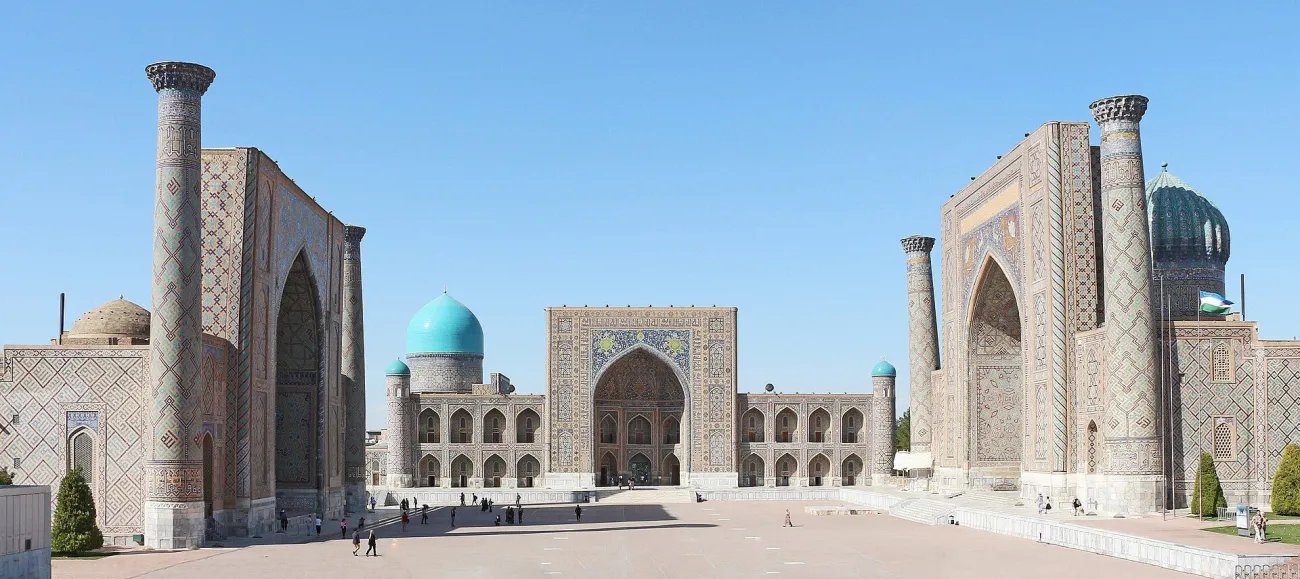

A monumental square in Samarkand, a Himalayan monastery and a quiet waterway in Kerala appeal for different reasons. This collection compares the kind of experience each place offers before you commit to a country or a specialist journey. It does not turn the region’s immense distances into a single route.
The established collection groups South and Central Asian places together and also retains Iran and Turkey. Iran and Turkey are included as cross-regional cultural choices, without redefining the geographical boundaries of South or Central Asia. Detailed Turkey routes and attractions stay in the Turkey guide, while this page makes a smaller cross-regional comparison.
Choose between built heritage, a living cultural setting, water-based travel and a mountain-focused journey. A monastery visit, an altitude trek and a wildlife outing need different preparation. A particular hotel, luxury train or festival needs to be chosen for the experience it offers and checked for the intended dates.
Choose the experience that matters most
Swipe or scroll sideways to read the full comparison.
| Your main interest | Starting points | What makes the choice different | Next decision |
|---|---|---|---|
| Silk Road architecture | Samarkand or Bukhara | Monumental ensembles and historic urban fabric. | Choose between a particular monument focus and a slower old-town stay. |
| Mountain culture | Paro or the Kathmandu Valley | Religious architecture and a distinct inhabited landscape. | A cultural visit is separate from a high-altitude trek. |
| Water and local life | Kerala backwaters | A journey shaped by waterways, villages and the chosen boat outing. | Check the actual route and time ashore before selecting a vessel. |
| Cross-regional heritage | Iran or Turkey | Different imperial, religious and urban histories. | Treat each as its own destination decision, with current advice checked. |
Monumental architecture and historic urban settings
- Uzbekistan: Samarkand and Bukhara. Samarkand’s Registan is the clearest choice when monumental tiled architecture is the central attraction. Bukhara offers a different historic-city setting in which streets, religious buildings and urban spaces reward a slower approach. UNESCO’s Samarkand record explains the city’s cultural crossroads. Choose a monument-led visit or an old-town focus before deciding to combine both cities. Shah-i-Zinda is a distinct religious and funerary ensemble in Samarkand, not another name for the Registan; allow each subject its own attention.
- Iran: Isfahan or Persepolis. Isfahan’s Naqsh-e Jahan Square, historically called the Royal Square, centres on a monumental urban ensemble. Persepolis presents a different archaeological encounter with the Achaemenid imperial past. They are in different regions and should not be described as neighbouring stops. Compare the architectural subject you want to understand and the actual travel involved. Current government advice and entry eligibility must be assessed separately before considering a journey; a cultural selection is not an assurance that independent travel is appropriate or straightforward.
- Turkmenistan: a specific market interest needs a verified setting. The historic Tolkuchka market near Ashgabat is a starting point for an interest in regional trade and everyday life. That historical market label should not be treated as a verified current site address, operating schedule or ready-made shopping excursion. If a market is the reason for your interest, establish which current venue and programme you mean before making arrangements. Turkmenistan is a separate destination decision, not a casual addition between other Central Asian stops. This entry retains the cultural interest in trade and everyday life while avoiding an unverified business or access recommendation.
Waterways and living cultural traditions
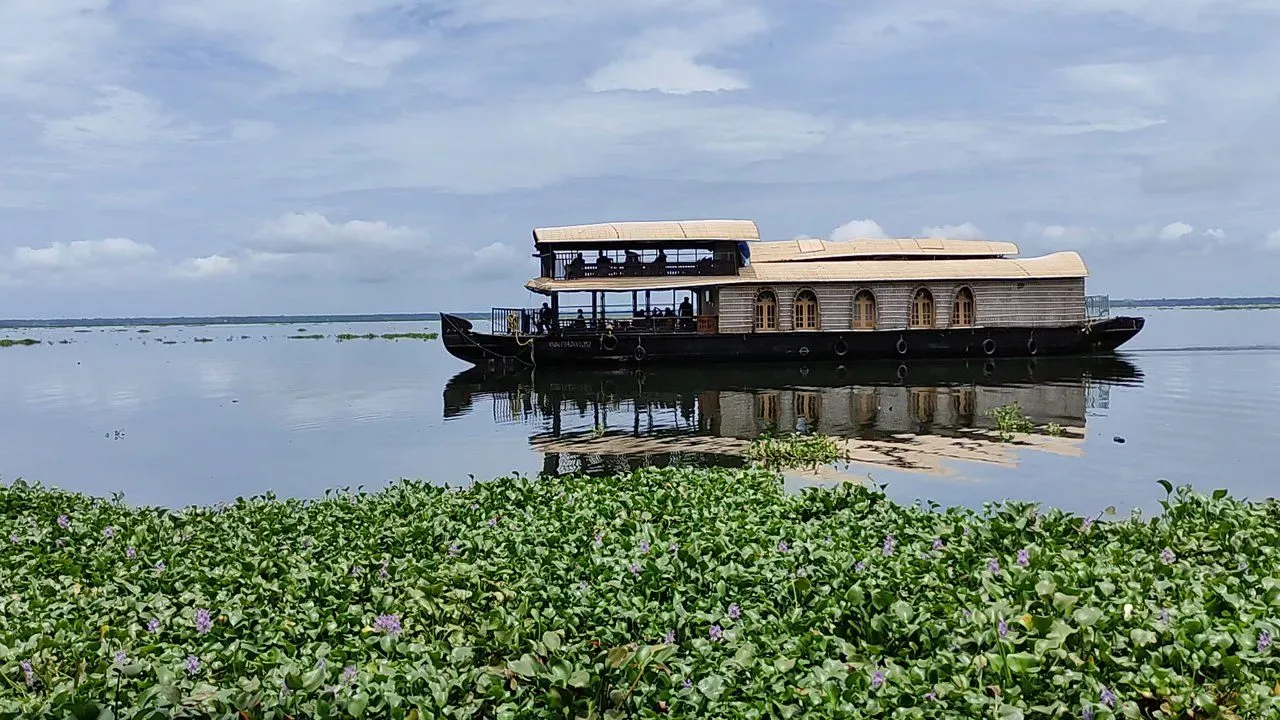

- India: Kerala, temple art or a chosen historic city. Kerala’s backwaters offer a water-based contrast to monumental and urban sightseeing. Select the actual waterway, boat outing and time ashore rather than assuming every houseboat trip has the same character. Elsewhere, Khajuraho’s temple sculpture, the cave complexes at Ajanta and Ellora, and Rajasthan’s historic cities are different cultural choices in widely separated regions. Jaipur, Jodhpur and Jaisalmer should not become one rushed paragraph of palace names. Choose the subject first; a palace stay or luxury rail journey is a distinct experience whose route and terms need their own research.
- Sri Lanka: Colombo or a date-specific Kandy interest. Colombo’s Galle Face setting gives a coastal urban starting point, while Kandy offers a different cultural and religious focus inland. The Esala Perahera is a specific festival, not a performance available whenever a visitor arrives. Choose whether the city itself or the event is the purpose, then verify the actual programme before organising travel around it. A historic hotel name may provide architectural context, but the quality and terms of a current stay require separate research. This collection does not treat one property as the whole destination.
- Turkey: compare the experience, then use the detailed guide. Istanbul’s monuments and bazaars, Cappadocia’s rock landscapes, Ephesus’s archaeology and the southwestern coast represent different kinds of stay. The Turkey destinations guide already compares those regions, for choosing a base and exploring its cultural setting. Choose one interest to investigate further. For Istanbul’s Chora/Kariye site, establish the current identity and visiting arrangements rather than relying on a historical museum label. Festivals, boat journeys and religious performances each need a real, current programme.
Mountain culture and the difference between a visit and a trek
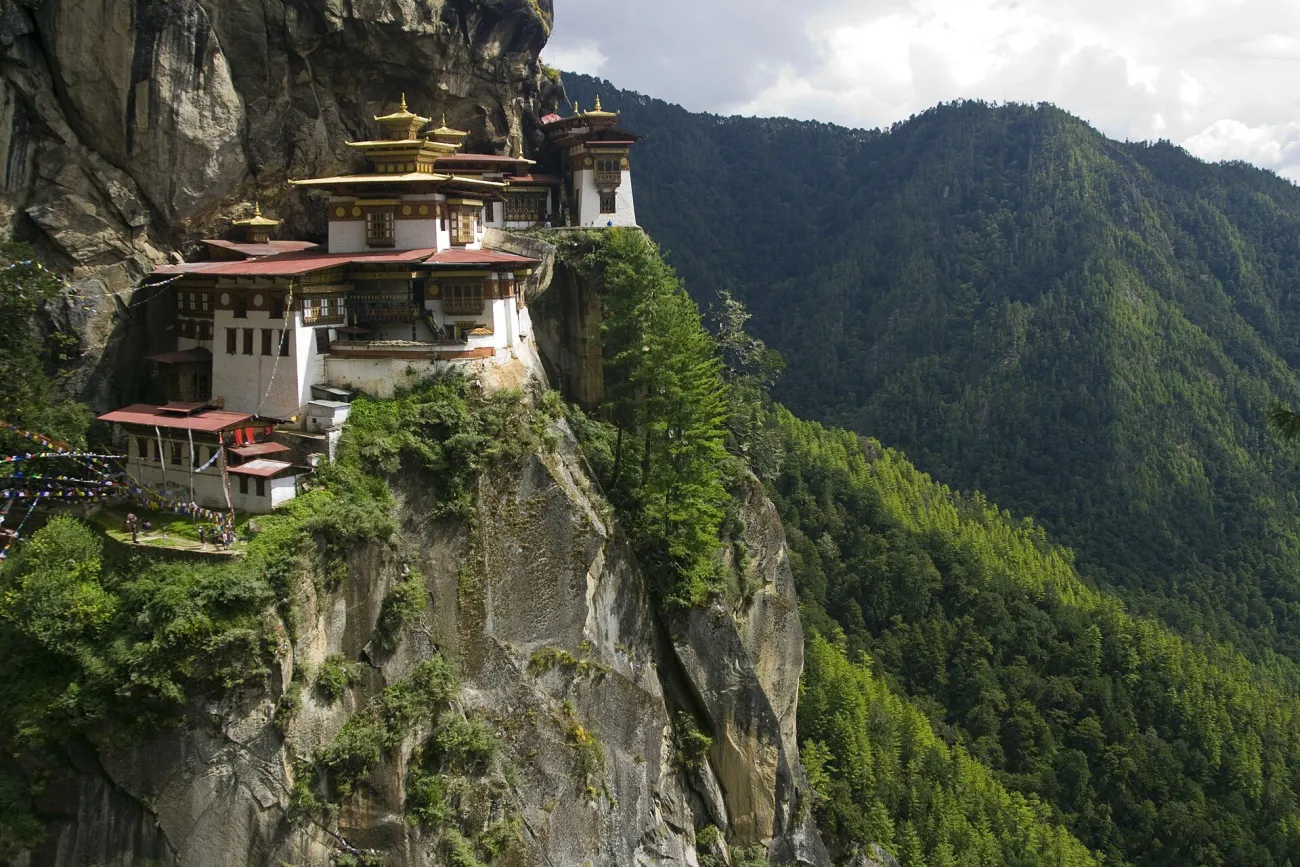

- Bhutan: Paro’s cultural setting or a dedicated trek. Paro Taktsang, often called the Tiger’s Nest, is a monastery visit involving a mountain approach; it is not interchangeable with a Chomolhari/Jomolhari trekking itinerary. Compare the physical commitment you want before selecting either. The official Bhutan tourism site is the starting point for current travel arrangements. Paro’s festival is a date-specific cultural event, so check the actual year’s programme rather than assuming a daily performance. Respect the religious setting and select a visit that matches your needs.
- Nepal: Kathmandu Valley heritage or a separate mountain journey. Kathmandu’s Durbar Square and Bhaktapur offer cultural and architectural interests within the valley. Mustang, the Everest region and other trekking areas are separate journeys with very different access and altitude considerations. Pokhara gives another landscape setting, while Chitwan is a lowland wildlife choice rather than a Himalayan extension of the same activity. Decide whether you want historic streets, a mountain view, a trek or a wildlife stay. This comparison does not establish individual medical suitability, trekking permission, wildlife sightings or the current operating status of a lodge.
Choose one main commitment before adding another country
A strong trip can have a single purpose: a tiled architectural ensemble, religious art, a waterway or a mountain cultural visit. Compare the actual place rather than a broad regional label. When two choices sit far apart, decide whether the second contributes enough to justify another transfer and preparation process. Before committing, use current country-specific official travel advice; then check the relevant destination’s actual visiting requirements. This is particularly important for places whose cultural significance is independent of today’s travel conditions.
Frequently asked questions
Does this collection cover one practical regional route?
No. It compares widely separated cultural and landscape interests. Choose a destination first, then research its actual connections, entry requirements and local travel arrangements.
Why are Turkey and Iran included?
They are part of the site’s inherited collection. The introduction explains that editorial scope without redefining the boundaries of South or Central Asia. Turkey’s detailed national selection remains in its existing guide.
Can I replace a trek with a monastery visit?
They are different activities. Assess the actual approach, terrain and personal requirements of each. A cultural label does not establish that a visit is effortless, and a famous mountain name does not define a suitable trek.
Last updated: