
South America & Antarctica · Places to visit
Best Places to Visit in South America & Antarctica

The best choice here depends on the kind of journey you want: an urban cultural stay, a waterfall-and-forest visit, an Andean route or a dedicated expedition. South America’s distances make a selective plan more useful than a continent-wide checklist. Antarctica is a separate expedition decision, even when a trip starts in South America.
These selections explain what a place adds to a trip and what to consider before combining it with another. Detailed country routes and practical arrangements belong in the existing destination guides; use the South America guide directory to find those next steps.
Choose the journey you want
- Culture without constant transfers: build around Buenos Aires, Cartagena, Cusco or another city that matches your interests, then add a nearby or well-connected second stop.
- A defining landscape: choose Iguazú, a Patagonian glacier, a rainforest stay or an Andean setting as the main reason for the trip. These are different habitats, not interchangeable nature excursions.
- A remote wildlife or polar journey: make the expedition arrangements the starting point. The vessel, landing programme, conservation rules and contingency plan matter as much as the destination name.
Argentina: culture, waterfalls or glaciers
- Buenos Aires: choose it for a city stay with architecture, museums, café culture and tango. Give it its own time rather than reducing it to an airport connection. The Argentina guide helps place the city within a wider route.
- Iguazú Falls: choose the falls for a powerful waterfall-and-subtropical-forest experience. The system spans the Argentina–Brazil border; research the specific park side and any cross-border formalities instead of assuming one ticket or transfer covers both. UNESCO’s Iguazú description explains the setting.
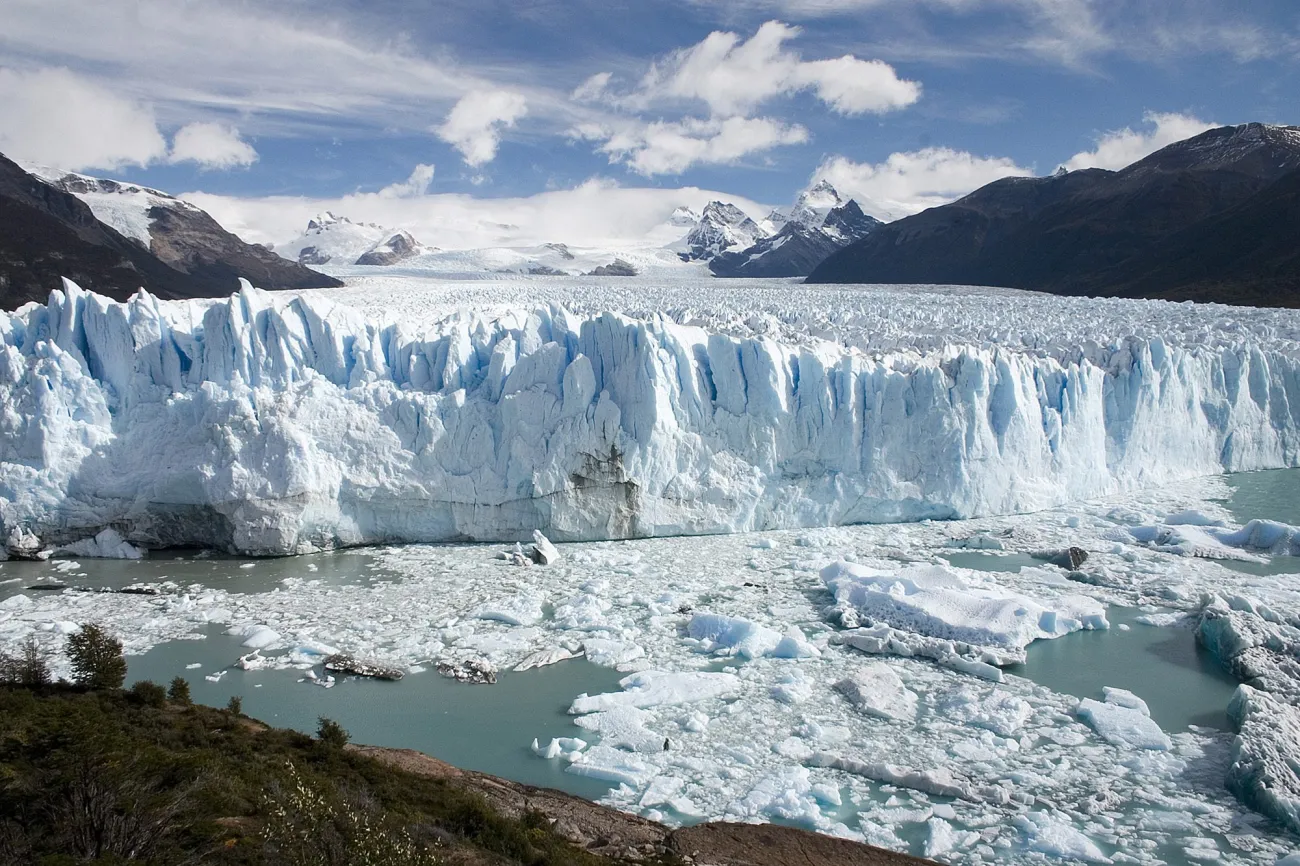
- Perito Moreno and Los Glaciares: choose this Patagonian focus if glaciers and mountain scenery are the priority. A viewing visit, boat outing and ice activity are different experiences with different requirements. Use the Argentina attractions guide to compare the country’s options before adding another distant region.
Bolivia: an Andean city or a lake setting
La Paz and Copacabana on Lake Titicaca offer different ways to approach Bolivia’s Andean setting: a city with markets and cultural life, or a lakeside base. Choose which rhythm you want rather than scheduling both as brief photo stops. Altitude and the demands of the actual itinerary should be considered before committing to activities; seek appropriate professional advice for personal health questions. Bolivia’s Copacabana is a different place from Rio de Janeiro’s beach of the same name.
Brazil: urban scenery, heritage or a wildlife habitat
Rio de Janeiro suits travellers seeking an urban trip with coastal scenery and cultural life. Ouro Preto offers a different focus: a historic town whose architecture reflects its mining past. Pair places because their contrast interests you, then check the actual connection; they are not neighbouring city sights. The Brazil travel guide is the next planning step.
For wildlife, distinguish the Pantanal from the Amazon. A wetlands trip and a rainforest-and-river stay provide different habitats and viewing conditions. Select the actual location, season and programme before choosing a lodge. Compare the actual lodge location and programme; wildlife sightings cannot be guaranteed.
Chile: choose one landscape focus at a time
Torres del Paine is the candidate for a Patagonian landscape trip; Rapa Nui, also known as Easter Island, calls for a separate island-and-heritage decision. Each deserves a realistic travel allowance. A route that includes both should be built around the connections rather than a wish to cover every famous Chilean setting.
Portillo belongs to Chile’s high Andes near the Los Libertadores Pass, approached from the Santiago–Los Andes side. Choose it for the relevant mountain or ski experience, with current operations and road conditions checked before booking. See Chile’s official Portillo guidance and the Chile travel guide.
Colombia: Cartagena for a heritage-led coastal stay
Cartagena is a strong choice for travellers who want a historic urban setting on the Caribbean coast rather than another remote nature excursion. Its fortifications and old neighbourhoods make history the organising theme; give walking and cultural visits time of their own. UNESCO’s Cartagena entry describes the heritage property. A coast location does not mean every hotel is a beach base, so decide which experience you want before choosing accommodation.
Ecuador: Galápagos as a distinct wildlife commitment
The Galápagos Islands belong on the shortlist when their particular wildlife and island environment are the reason for travelling. Compare the actual island bases or vessel itinerary, authorised activities and visitor rules; the archipelago is not a single attraction that every short tour covers. Keep the mainland connection and time around departures in the plan.
The Galápagos National Park visitor rules are the appropriate authority for conduct and access. Follow current instructions on wildlife distance, trails and authorised services. A mainland rainforest stay offers a different Ecuador experience; adding it should be a deliberate choice, not an assumption that the two environments are interchangeable.
Peru: connect a cultural base with a selected landscape
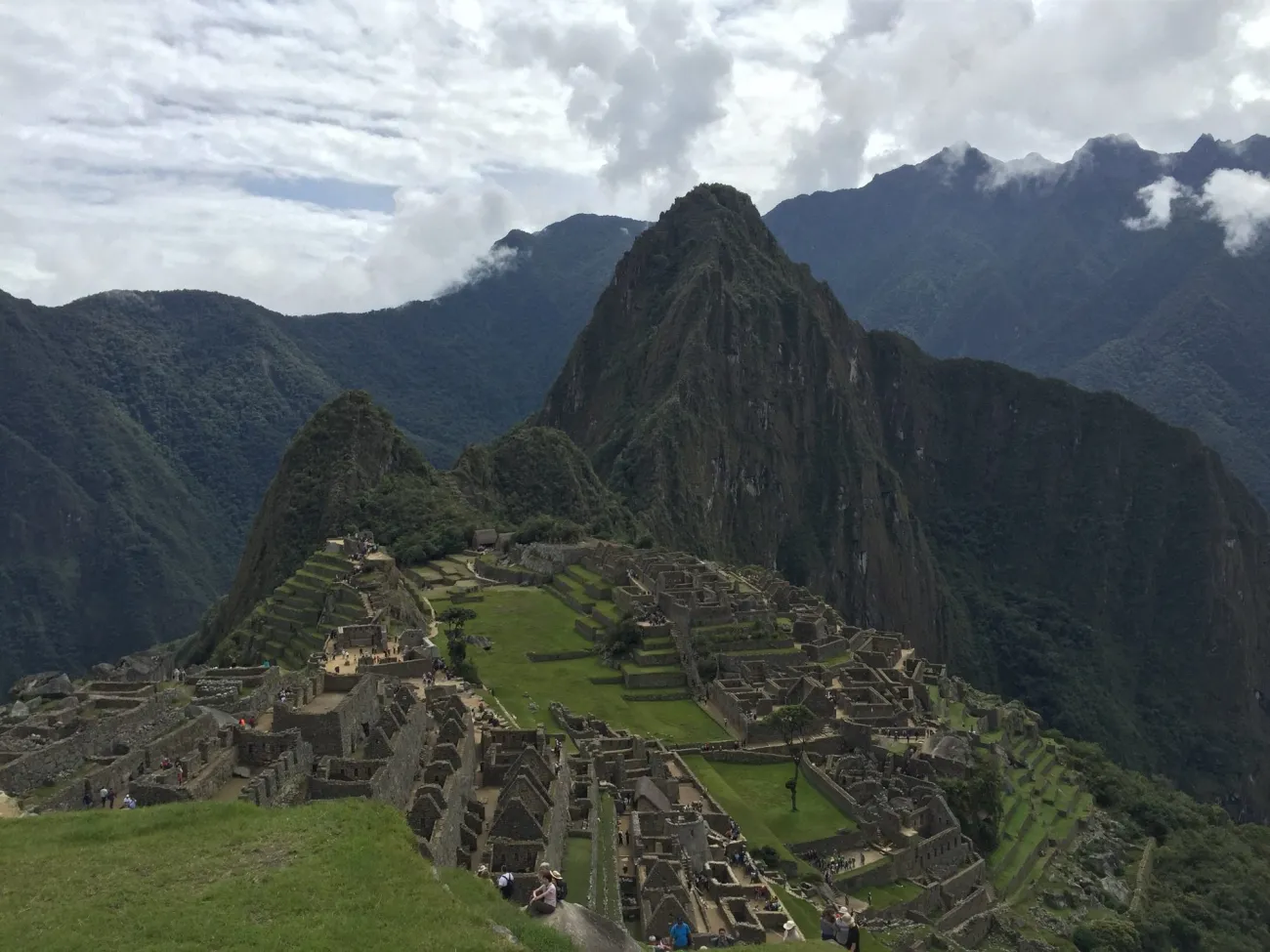

Cusco and Machu Picchu suit a trip that links an Andean cultural base with a major Inca site. Machu Picchu’s terraces and built remains are part of a mountain-forest sanctuary; the journey and the permitted visiting arrangement need planning, not just the photograph. Confirm the actual ticket, route and transport before making non-refundable connections.
Arequipa and the Santa Catalina Monastery offer another urban cultural focus, while a Peruvian Amazon visit is a separate habitat and travel commitment. Use the Peru travel guide to narrow the route. The UNESCO sanctuary description supplies background on Machu Picchu, rather than live ticket availability.
Uruguay: Colonia for a slower heritage stop
Colonia del Sacramento is the choice for a compact historic-town experience on the Río de la Plata. Its Portuguese, Spanish and later influences provide a different subject from an Andean monument or a rainforest expedition. The UNESCO historic-quarter entry explains that layered character. If pairing Colonia with Buenos Aires, check the real sailing and border arrangements and decide whether you want an excursion or an overnight stay.
Venezuela: distinguish landmark interest from an executable trip
Angel Falls within Canaima National Park is a remarkable landscape reference: the park’s tepui formations and waterfalls are documented by UNESCO. A destination’s importance does not establish current visitor access or the suitability of a trip. Before treating this as a bookable option, check your government’s current travel advice, entry conditions, transport and a properly verified local programme.
Antarctica: choose an expedition, not a guaranteed landing list
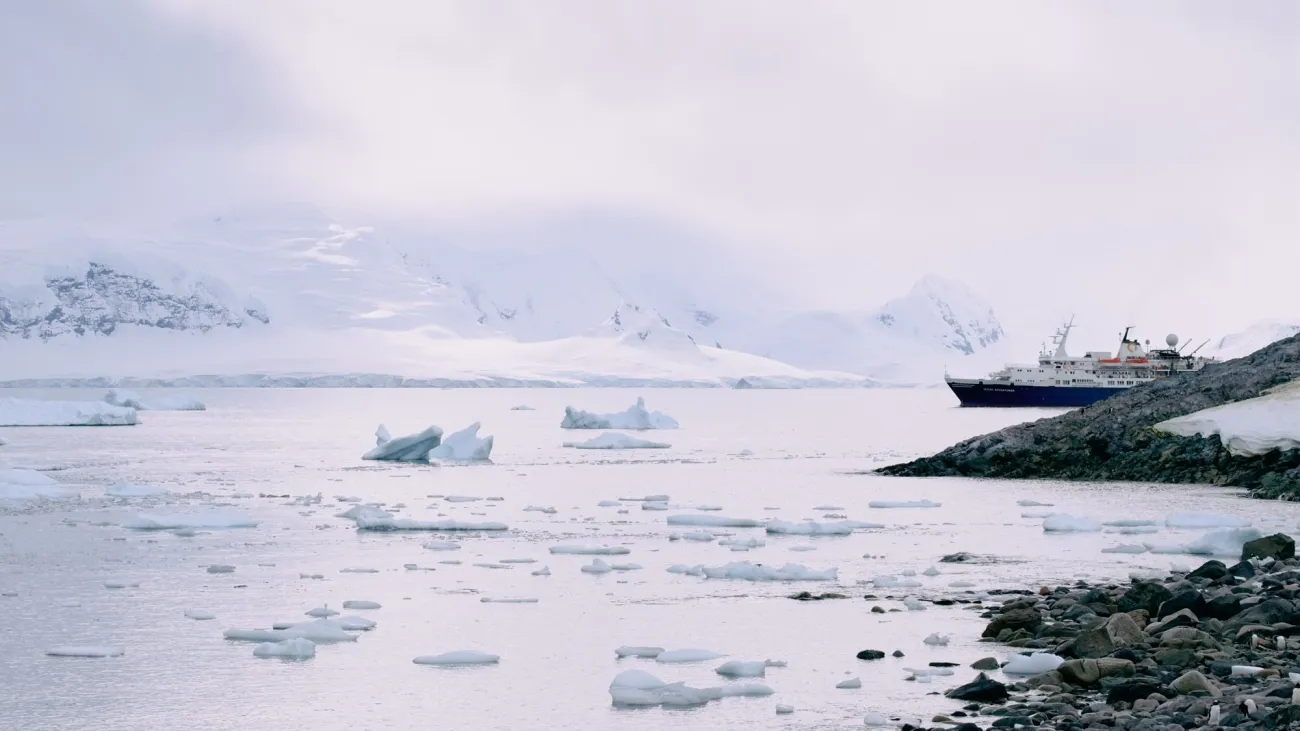

An Antarctic journey is a dedicated expedition, with a different level of planning from adding another South American city. Compare what the voyage actually offers: time in the Antarctic area, ship-based viewing, small-boat outings and possible landings. A place shown on a sample itinerary is not a guaranteed stop; conditions and environmental restrictions can change the programme.
For a first decision, compare a peninsula-focused voyage with a longer itinerary that includes other subantarctic destinations, and compare a sea crossing with a fly-and-cruise product only after reading the actual arrangements. Those choices affect the experience and contingencies, not just the headline fare. Confirm what is included, the operator’s authorisation and relevant experience, and the booking’s cancellation and disruption terms.
IAATO’s visitor guidance and the Antarctic Treaty tourism guidance explain the environmental framework. Follow the expedition team’s current instructions on biosecurity, wildlife, restricted areas and site conduct. Ask specific questions about boarding small boats and the physical requirements of activities; a cruise label alone does not answer access needs.
Build a coherent shortlist
Give each chosen stop a purpose. Two far-apart places can be worth combining when their contrast is important to you; adding them solely because both are famous rarely improves the route. Check the current connection, entry rules and any protected-area reservation before choosing the final sequence.
Sources and further reading
Use the responsible attraction, park or operator for current visiting arrangements.
The official visitor and heritage sources are linked beside the relevant descriptions above.
Frequently asked questions
Can I combine South America and Antarctica?
Yes, when the expedition gateway, departure and transport fit the wider trip. Treat the expedition as the fixed commitment and allow time around it. A South American departure does not make Antarctica an ordinary day trip or guarantee particular landings.
Should I visit both the Amazon and the Pantanal?
They offer different habitats and trip styles. Choose the wildlife or landscape experience you value most and inspect the actual programme. Combine them only if their contrast justifies the additional travel and time.
Does a place on this list have guaranteed current access?
No. Heritage descriptions establish why a place matters, while park authorities, operators and current official travel guidance determine practical access. Check the specific visit before booking transport or accommodation around it.
Last updated: