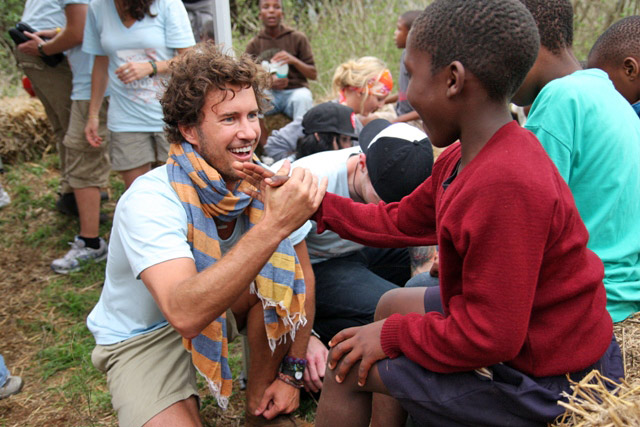
Volunteering abroad can be rewarding, but only if the work is something the local community has asked for and that you are qualified to do. Avoid short trips to orphanages and other placements with vulnerable children; child-protection organisations warn that these cause harm. Look instead for longer placements that use your skills, are run with local partners, and are open about where your money goes.
This guide was updated on 5 November 2026 using guidance from child-protection organisations. It is general information to help you choose a programme.
A quick checklist
Swipe or scroll horizontally to see the full table.
| Question | Good sign | Warning sign |
|---|---|---|
| Who asked for the project? | The local community identified the need | The project exists mainly for visitors |
| Are you qualified? | You would be allowed to do the role at home | No skills or checks required |
| How long is the placement? | Long enough to be useful | Two weeks or less with no follow-up |
| Does it involve children? | Strict safeguarding and background checks | Visits to orphanages or children's homes |
| Where does the money go? | Most of it to the community or project | No clear breakdown of costs |
| Is there an exit plan? | Local staff will continue the work | The project depends on a stream of volunteers |
Why to avoid orphanage volunteering
Child-protection organisations are clear on this. The Better Care Network's ReThink Orphanages initiative states that "volunteering in an orphanage is extremely harmful and definitely not responsible", and that it makes no difference whether you stay for two hours or two years. Children who form attachments to a stream of short-term visitors can be harmed, and in some places demand from visitors has encouraged children to be separated from their families to fill orphanages. Many children in orphanages have at least one living parent.
The same applies to brief visits, donations of time to "orphanage tours" and teaching placements in children's homes. If you want to support children, give to organisations that keep families together and strengthen community care.
What a good programme looks like
- Local leadership: the project was designed with, and is run by, local people, and is monitored and evaluated.
- Selectivity: there is an application process and pre-departure training, rather than anyone being accepted.
- Suitable roles: you do work you are qualified for, such as professional skills, conservation fieldwork under supervision, or practical tasks that do not take jobs from local people.
- Transparency: the organisation explains how much of the fee goes to the project. A higher price does not mean a more ethical trip.
- Sustainability: the work will continue after you leave, with a plan for local staff to take over.
- Honest language: be wary of "save the world" marketing; good programmes focus on learning and partnership.
Alternatives that help
If you only have a week or two, consider responsible travel rather than volunteering: stay in locally owned accommodation, hire local guides, and buy from community enterprises. Short conservation or citizen-science trips run by established research organisations, or donating to a well-run local charity, can also do more good than a short placement. If you have professional skills, such as medicine, engineering or teaching, look for longer skilled-volunteer schemes.
Before you go
- Read your government's travel advice for the destination and check the visa rules: volunteering may need a specific visa.
- Buy travel insurance that covers the activities you will do.
- Ask what support is available in an emergency, and who your local contact is.
- Respect privacy: do not post photos of children or vulnerable people on social media.
For more on safe travel, see our guide to travelling during unrest.
Voluntourism: FAQ
Is it bad to volunteer at an orphanage abroad?
Yes. Child-protection organisations say orphanage volunteering is harmful, however long you stay.
How long should a volunteering placement be?
Long enough to be useful. Placements of two weeks or less are unlikely to make much real impact.
How can I tell if a programme is ethical?
Check that the local community asked for it, that you are qualified, that the costs are transparent and that it has a plan to continue without volunteers.
Sources and planning checks
Guidance was checked on 5 November 2026 against the Better Care Network and its ReThink Orphanages initiative. Government guidance on orphanage tourism could not be read directly; check your own government's travel-advice website.
- Log in to post comments