
EUROPE · UNITED KINGDOM GUIDE
UK Travel Essentials: Entry, Safety & Practical Advice
Prepare for a UK visit using the rules that apply to your nationality, purpose and route. England, Scotland, Wales and Northern Ireland share the UK immigration framework, but transport, healthcare administration and outdoor access are not identical everywhere. A trip through the Republic of Ireland adds a separate country whose requirements must be checked independently.
This page brings the practical checks together: entry, everyday preparation, health and safety, useful contacts and responsible travel. It is organised around decisions to make before departure and the services to use during the trip. Use the planning guide for costs and transport, and Map & Regions for the distinction between Great Britain, Northern Ireland and neighbouring jurisdictions.
Visa & Entry
Start with the official UK visa checker. The answer depends on nationality and the reason for travel. Many visitors need an electronic travel authorisation (ETA); others need a visa or already hold permission. Do not use another traveller's nationality, an old article or an airline's informal summary as the final answer for your own situation.
As checked on 15 October 2026, the GOV.UK ETA overview lists a £20 application fee. Eligible travellers should apply through the official service. The application guidance says to wait for approval before travel; an ETA is linked to the passport used in the application. Its usual validity is two years or until that passport expires, whichever comes first. Recheck the official page before applying, since fees and procedures can change.
British and Irish citizens do not need an ETA. Dual citizens with British or Irish citizenship should read the specific official guidance on the documents used to prove their status. An ETA is not the appropriate substitute for British or Irish citizenship documents. Children who need an ETA require their own approval rather than being covered automatically by an adult's application.
A visitor permission does not automatically allow employment or living in the UK through repeated visits. Read the Standard Visitor rules for the actual purpose, including any proposed business or study activity. Keep accommodation details and onward-travel information accessible if requested. An authorisation to travel does not guarantee admission at the border.
Transit and Travel Through Ireland
If changing flights, distinguish an airside connection from one that passes UK border control. Collecting baggage, changing airports or leaving the secure transit area can alter the position. Check the official visa/ETA result and the airline's actual connection arrangements before buying separate tickets. Do not assume that two flights on the same date form a protected airside connection.
If entering Northern Ireland through the Republic of Ireland, check both countries' requirements. A lack of routine checks at a particular land crossing does not remove an immigration requirement. Some residents of Ireland have a specific ETA exemption, subject to conditions and evidence; use the official exemption guidance rather than assuming it applies to every visitor who arrives in Dublin.
Travel Essentials
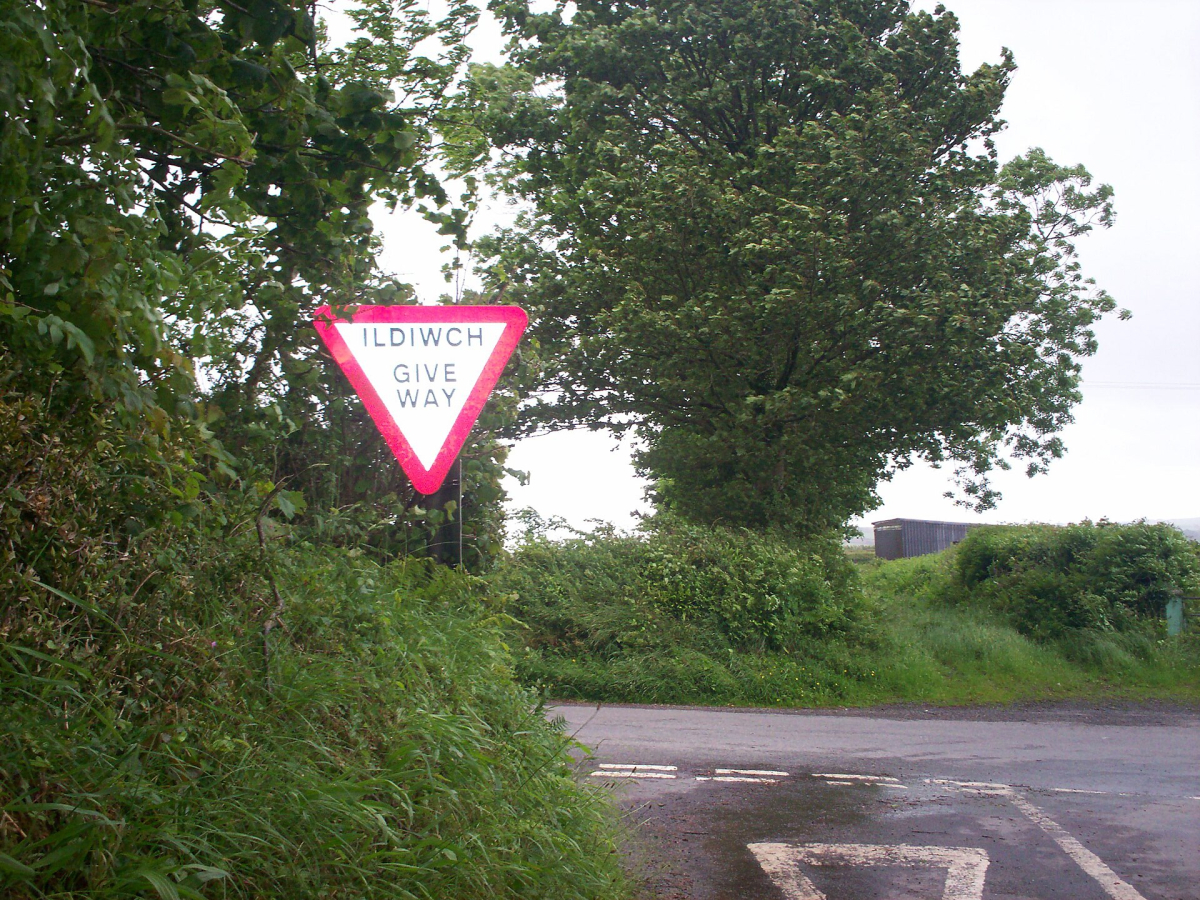
Save the accommodation's complete address, postcode and contact details, along with the booking reference. For Welsh destinations, save the name as supplied by the property; bilingual names should not be treated as evidence that you have booked the wrong place. Use the airport and station code or full name where a city has several choices. Keep an offline copy in case mobile data is unavailable on arrival.
The UK uses Type G plugs. Check both the plug adaptor and the voltage compatibility of any equipment you bring; an adaptor does not convert voltage. Bring charging equipment that will keep your phone usable through a full transfer day. A power bank can help, but check the airline's current carriage rules and do not place one in baggage without checking those requirements.
Check your mobile plan's UK roaming coverage and any separate arrangements for the Republic of Ireland. A local SIM or eSIM is useful only if the device supports it and the coverage suits your route. Rural valleys and island areas can have weaker service. Download tickets and maps before departure, and keep the address somewhere other than a single app that needs a live login.
For spending, carry more than one payment method and keep them separately. Check your bank's fees and the final payment currency. Sterling is used in Northern Ireland; euros belong to a separate Republic of Ireland part of the journey. For the full trip calculation, use Travel Costs & Money rather than relying only on a daily food allowance.
Pack layers and a waterproof outer layer appropriate to the activities. A city forecast does not describe mountain conditions. For a longer itinerary, include laundry time rather than carrying an outfit for every day. Confirm opening times and kitchen hours for the actual day of the visit, especially around public holidays. Keep a small arrival-day plan that still works if the flight is late.
| Practical fact | UK reference |
|---|---|
| Capital | London; Edinburgh, Cardiff and Belfast are the capitals of Scotland, Wales and Northern Ireland |
| Currency | Pound sterling (GBP, £) |
| International calling code | +44; use the correct number format supplied by the organisation |
| Time | GMT in winter and British Summer Time (GMT+1) during the summer clock period |
| Electricity | 230 V, 50 Hz, Type G three-pin plug; check device compatibility |
| Driving side | Left |
Health & Safety
Arrange travel insurance that covers the activities and circumstances of the trip, and keep its assistance contact accessible. Check how to carry essential medication and any required documentation before departure. Healthcare entitlement depends on circumstances and the UK nation; do not assume every treatment is free because a service is part of the NHS. The NHS guidance for overseas visitors to England distinguishes services and charges and notes that rules elsewhere can differ.
For an immediate emergency, call 999 or 112 and describe the location and the help needed. For an urgent, non-life-threatening health problem, use the correct local service: NHS 111 in England, NHS 24 on 111 in Scotland and NHS 111 Wales. In Northern Ireland, use the NI urgent-care guidance and the local GP out-of-hours route rather than assuming the arrangements are identical to England.
In cities, protect valuables in crowded areas and keep a second copy of important travel details. Use a licensed transport service for a late return and check the final public service before leaving for an evening event. Avoid carrying all documents, cards and backup cash in the same bag. If a phone is lost, know how to contact the bank or insurer without that device.
Outdoor and Coastal Decisions
Choose a walk according to terrain, daylight, conditions and experience. Use an appropriate map, clothing and weather forecast, and set a turnaround time. On exposed routes, rain and wind can change the practical demands quickly. If the group cannot safely complete the intended route, choose a suitable alternative rather than treating a summit as an obligation.
At the coast, read local signs and check the tide and safe exits. Follow lifeguard instructions and do not enter the water when conditions or flags advise against it. The RNLI tide guidance is particularly relevant for headlands, coves and routes that can be cut off. A beach that looks accessible in a photograph may be a different proposition later in the same day.
Useful Contacts
| Need | Official route | Have ready |
|---|---|---|
| Immediate danger or life-threatening emergency | 999 or 112; request the relevant emergency service | Exact location, nearest landmark and what has happened |
| Urgent health advice in England | NHS 111 | Location, symptoms and relevant medication information |
| Urgent health advice in Scotland | NHS 24, 111 | Location and the help needed |
| Urgent health advice in Wales | NHS 111 Wales | Location and the help needed |
| Urgent care in Northern Ireland | NI urgent and emergency care information | The local area and whether the situation is immediately life-threatening |
| UK immigration or ETA question | GOV.UK visa checker and ETA guidance | Nationality, passport, travel purpose and actual transit route |
| Great Britain rail journey | National Rail and the operating company | Date, stations, ticket restriction and booking reference |
| Northern Ireland buses and trains | Translink | Route, stop or station and travel date |
| London local travel | Transport for London | Actual origin, destination and accessibility needs |
| Lost passport or consular help | Your own government’s official embassy or consular service | Identity details and the circumstances of the loss |
Keep contact details for the hotel, insurer and transport provider beside the booking references. If a service is disrupted, contact the company responsible for the ticket and check the current options before paying for a replacement. If documents are lost, use your own government's official consular channel; a third-party directory is not the authority that issues an emergency travel document.
When asking for help, provide the exact location and a concise account of the problem. In a remote area, a vague national-park name may cover a large region. Know the route, nearby place and any useful location reference before leaving a reliable signal. Keep the phone available for a return call when instructed by the service.
Responsible Travel

Reduce unnecessary travel by staying longer in fewer bases. A useful rail connection or a local bus can support a trip without a car, but make the plan fit the actual service. Choose local food, guides and accommodation where they suit the trip, and visit popular places outside the busiest hours when it is practical. Spending more time in one area can benefit both the holiday and the businesses beyond a single crowded stop.
Use the correct access framework. In England and Wales, read the Countryside Code and follow rights of way and local instructions. In Scotland, the Scottish Outdoor Access Code explains responsible access and its limits. Neither an overview map nor a social-media route establishes permission to enter a private garden, drive onto land or ignore a closure.
Take litter away, leave gates as found, keep dogs under appropriate control and give livestock and wildlife space. Use toilets and authorised overnight facilities. Motorhome parking and camping require their own local checks; do not equate responsible pedestrian access with permission to park a vehicle overnight anywhere. For Northern Ireland, use local access and visitor guidance for the place you are visiting.
In cities, remember that attractive streets are also homes and workplaces. Keep noise down around accommodation, avoid blocking doors for photographs and respect worship and memorial spaces. Ask before making a person the central subject of a photograph. Follow a venue's rules and avoid using a tripod or other equipment where it obstructs access.
Final Departure Check
Confirm the passport and permission you will travel with, the exact arrival airport, the first night's address and the final route home. Check the forecast for the first outdoor day and any service disruption on the next transfer. Then keep the arrival plan light. The practical preparation should make room for the trip, not turn every hour into a fixed appointment.



