
EUROPE · UNITED KINGDOM GUIDE
Things to Do in the United Kingdom
Choose experiences that reveal something about the place, rather than building a national checklist of monuments. A river walk can connect a London day; a guided Edinburgh walk can explain the streets you are seeing; a Welsh castle, coastal outing or market can provide a different setting. In Belfast, make time for maritime history and the wider city rather than treating it only as a departure point for the coast.
The seven experiences below each answer a different need. The final sections cover evening planning, festivals and photography, so that a booking or a camera stop fits the rest of the trip. Use the itineraries for the sequence of overnight bases and Map & Regions for geography. Suggested time allowances are editorial estimates, not admission durations or guaranteed tour lengths.
| Experience | Allow roughly | Best reason to choose it |
|---|---|---|
| London South Bank walk | Half a day, with stops | An adaptable city outing between indoor visits |
| Edinburgh Old Town walk | Half a day, or the booked tour duration | Street history and a sense of the city’s layers |
| Cardiff Castle and its setting | A substantial part of a day with nearby visits | Historic architecture within an easy city itinerary |
| Titanic Belfast and the waterfront | Half a day or longer | Maritime and industrial history in its original setting |
| Cwm Idwal or another suitable park walk | A dedicated outdoor day including access | A landscape experience matched to conditions |
| Tenby coast and beach time | Half a day or a longer coastal stay | A seaside day with a town base |
| A Welsh market and regional food stop | A relaxed meal or market visit | A specific local food experience rather than a generic menu |
1. Walk London's South Bank at Your Own Pace
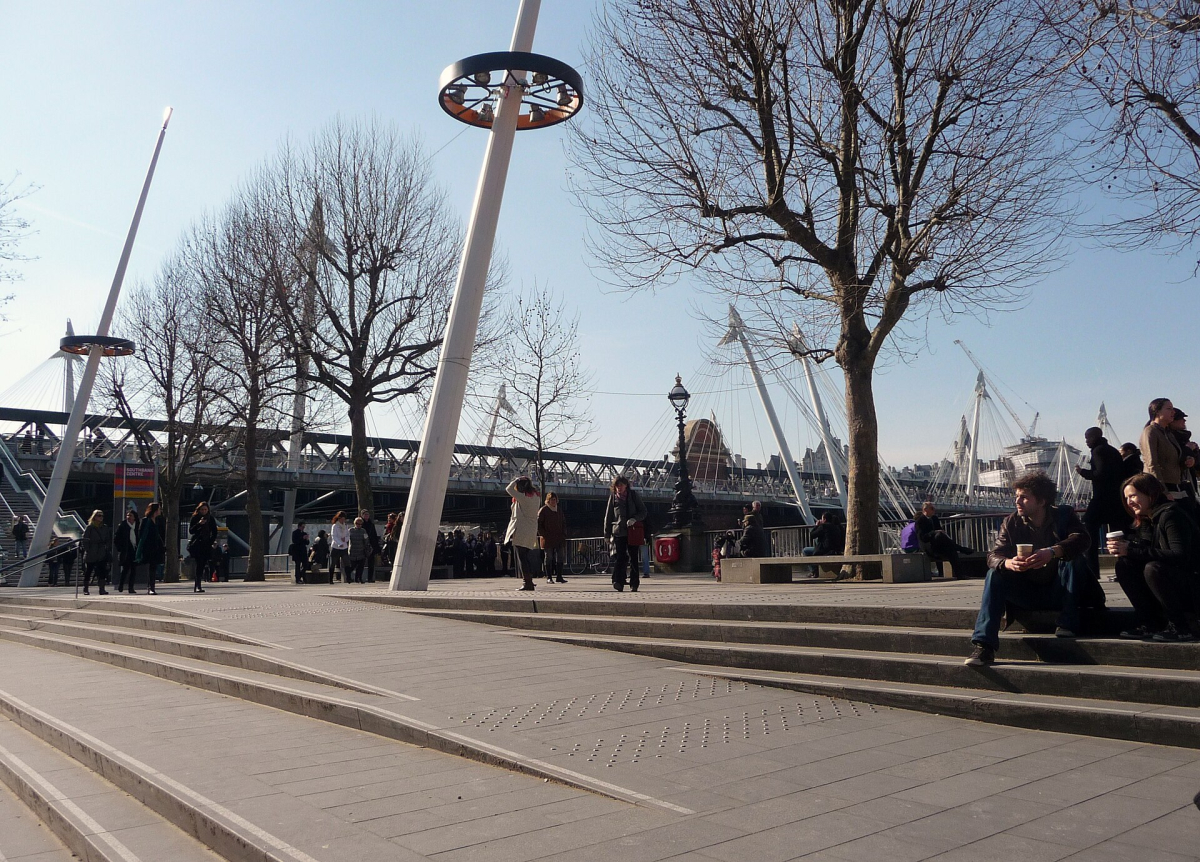
Use the Thames as a thread through a London day. Choose a manageable section of the South Bank and combine it with one museum, gallery or performance that interests you. The aim is to spend time in the city rather than rush from one landmark photograph to another. Begin near a useful transport connection and finish where you can comfortably continue to dinner or return to the hotel.
The riverside can be busy, exposed or temporarily diverted. Wear shoes suited to a full day of walking, keep a waterproof layer available and allow time for a café or indoor stop. For a step-free route, inspect the actual access points and current lift information with TfL; a continuous line beside the river does not guarantee every approach is step-free. Avoid reserving several attractions at opposite ends of the city on the same afternoon.
2. Explore Edinburgh's Old Town with Context
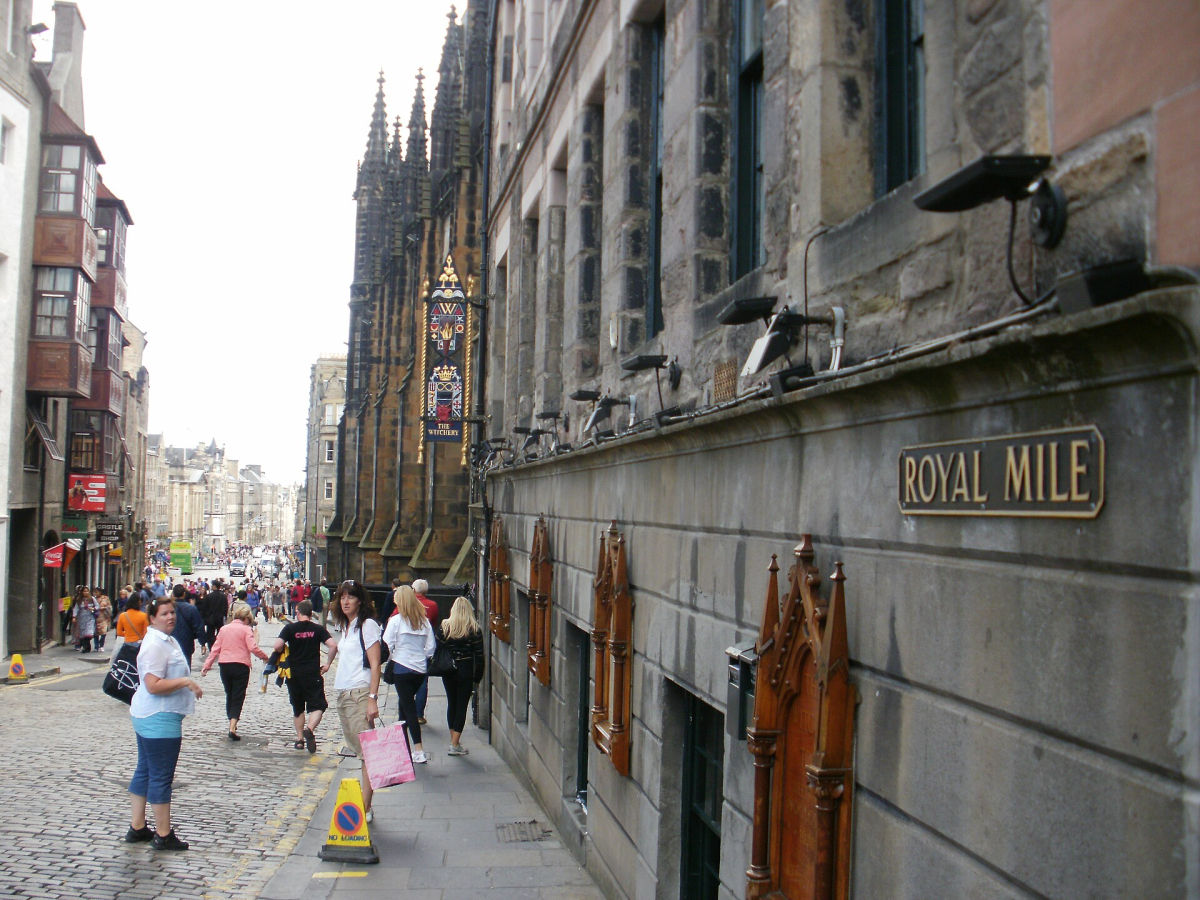
Walk the Old Town as a living part of Edinburgh. Take time to look down the closes and compare the changing views rather than keeping only to the most crowded central line. A guided walk can be useful if you want historical context, but choose the language, pace and theme deliberately. A general history tour, a ghost walk and a food tour offer different experiences.
Check the meeting point and finish location, especially if you have another timed visit. Read the route's accessibility information and ask about slopes, steps and standing time. Keep a free period afterwards to revisit a street or café without following a group schedule. The official Edinburgh destination information provides wider planning context. The optional booking below is for the named Old Town walking tour; confirm its current inclusions and language before reserving.
Check the Edinburgh Old Town walking tour on GetYourGuide
We may earn a commission if you book through our GetYourGuide links.
3. Connect Cardiff Castle with the Surrounding City

Cardiff Castle offers a useful contrast between a historic site and the modern city around it. Decide whether the visit is mainly about the keep, the interiors or a guided interpretation; then check the ticket that includes what you want. The castle's official site is the source for present opening times, tours, access and events. The photograph shows the keep, not every part of the visitor route.
Leave time for nearby streets or a park visit afterwards. Cardiff Bay is a different outing and should not be squeezed into a fixed gap simply because both are associated with Cardiff. On major event days, check city travel information and allow extra room around reservations. If steps or uneven surfaces matter, ask about the specific areas you want to enter before selecting a tour.
4. Spend Time with Belfast's Maritime History

Titanic Belfast is a focused choice for industrial, maritime and social history. It occupies the setting where the ship was designed and built, so the outdoor surroundings help explain the indoor story. Check the attraction's official information for the ticket type, accessibility, opening arrangements and any separate experience you are considering.
Do not place a long coastal excursion immediately after an inflexible admission unless the operator explicitly schedules the combination. Allow time for the walk or bus to the Titanic Quarter and for a break. An option including SS Nomadic is different from a Belfast sightseeing-bus package or a tour departing from Dublin. The optional GetYourGuide link below identifies the Belfast Titanic Experience with SS Nomadic visit; read the current product details before choosing it.
Check Titanic Belfast and SS Nomadic on GetYourGuide
We may earn a commission if you book through our GetYourGuide links.
Walking & National Parks: Choose a Suitable Landscape Day
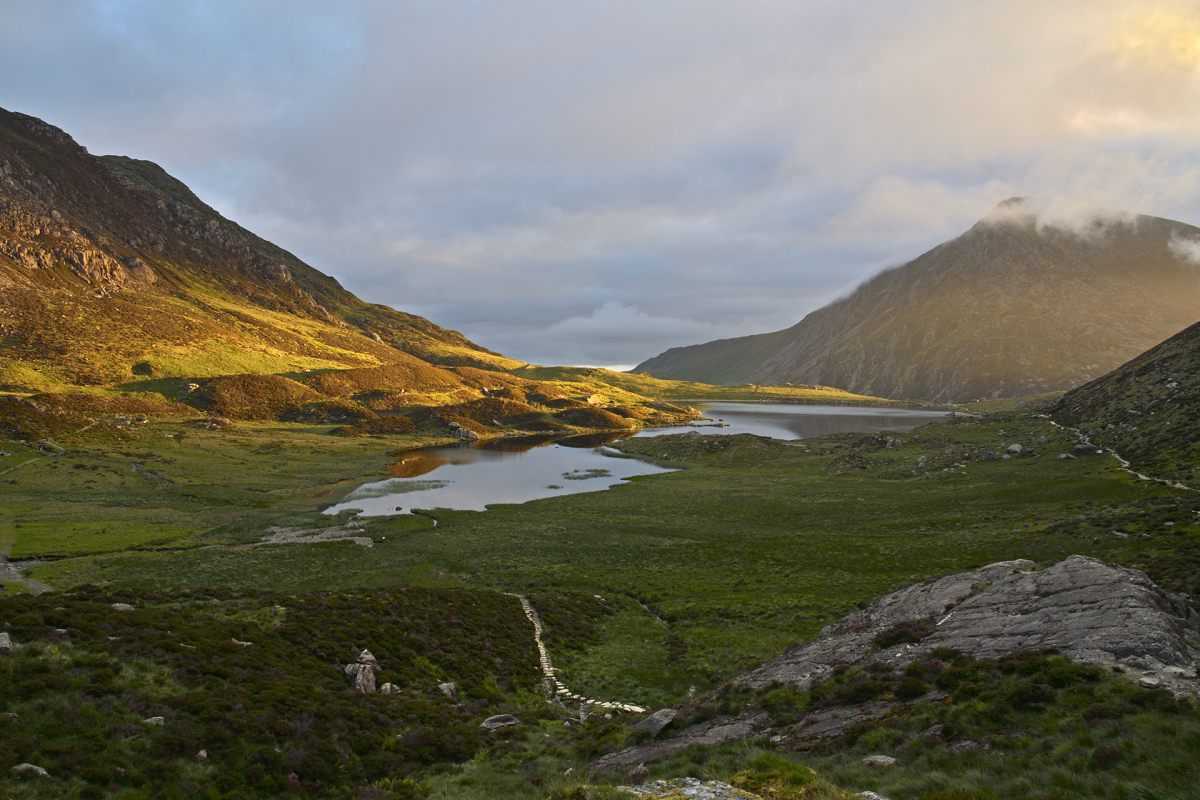
For a Welsh landscape day, Cwm Idwal provides a concrete option to research rather than a vague promise to “do Snowdonia”. The National Trust route description explains the terrain and route. Read it before deciding whether it fits your party, and check current access and weather. A path around a mountain lake is still an outdoor walk, not an urban pavement circuit.
Across Great Britain, the National Parks directory helps compare different settings. The Lake District, Eryri and the Cairngorms are not interchangeable stops; choose one according to your base, experience and season. In Northern Ireland, research the Mournes or another relevant landscape using Tourism NI's official information, rather than describing every upland area as a national park.
Carry suitable clothing, navigation, water and enough food, and tell someone the plan when heading into remote terrain. Check the return service or parking arrangements before starting. Choose a lower-level alternative when conditions or experience make a summit unsuitable. For overnight stays outdoors, use the correct national and local rules: Scotland's responsible-access framework should not be assumed to apply throughout the UK.
Beaches: Make Tenby a Coastal Stay, Not Just a Photo Stop
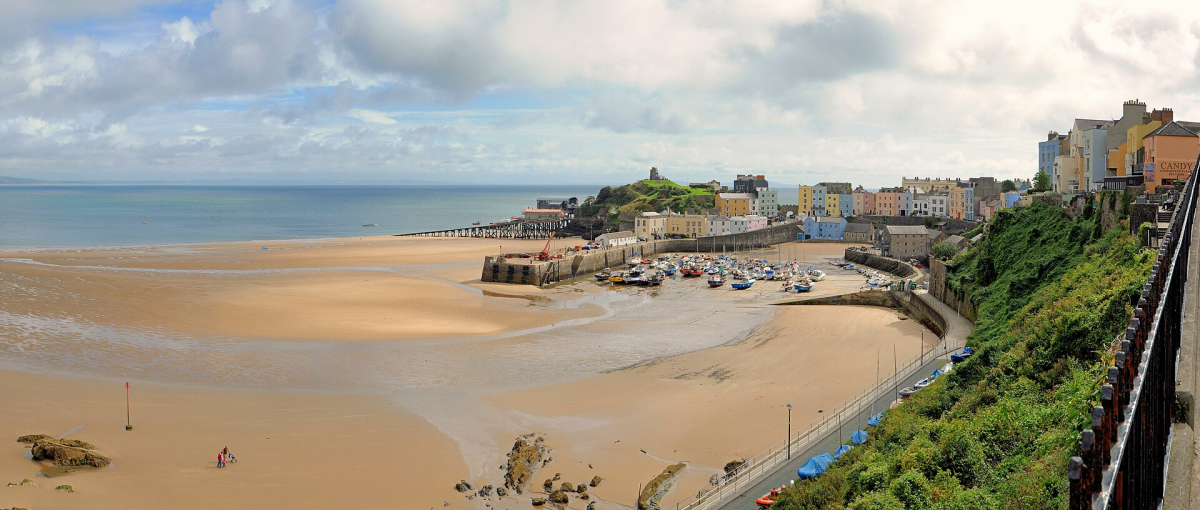
Tenby combines a town, harbour setting and beach time, which can suit a slower Pembrokeshire stay. Choose the beach for the activity you want and examine local signs and access points on arrival. The photograph shows one tidal state; it does not show the amount of sand, sea conditions or lifeguard cover at the time of your visit. Keep a poor-weather alternative in the town or nearby area.
For swimming, use a suitable lifeguarded beach when patrols are operating, follow flags and local instructions, and check the current conditions. For a walk, check the tide and the exit route before rounding a headland or entering a small cove. The RNLI's tide guidance explains how an apparently easy shore walk can become cut off. Do not assume a summer beach photograph means warm water or a safe winter swim.
| Coastal choice | Useful focus | Essential check |
|---|---|---|
| Bournemouth, Dorset | A seaside town and beach day with urban services | Local beach conditions, lifeguard season and the route from your base |
| Holkham, Norfolk | A broad coastal landscape and nature-reserve setting | Signed access, conservation instructions and the distance back to transport |
| Holy Island, Northumberland | An island visit combining coast and heritage | The council’s safe road-causeway crossing times; a coastal walk needs its own route assessment |
| Blackpool, Lancashire | A traditional resort and promenade visit | Tides, local access and which attractions operate on your dates |
| West Wittering, West Sussex | A beach-focused day near the Sussex coast | Current parking and access arrangements, local signs and sea conditions |
Food & Drink: Look for a Regional Connection

A market or bakery stop can be a useful introduction to Welsh food without turning every meal into a formal reservation. In Cardiff, compare regional produce and a Welsh-cake stop with the rest of the day's city route. Ask what is made locally and check ingredients if you have an allergy. The Visit Wales food guide offers further ideas tied to specific producers and experiences.
Across the UK, choose food according to place and setting. A seafood meal by the coast, an urban market lunch and a pub dinner can all fit different days. Do not assume every pub kitchen serves throughout the evening or that a dietary option is safe from cross-contact without asking. Check the actual menu and booking conditions. For drinks, arrange the return journey and keep a non-driving plan if alcohol is involved.
Nightlife: Plan the Return Before the Reservation
London theatre, Edinburgh performances, Cardiff events and Belfast live music offer very different evenings. Choose the programme first, then check start time, admission, age restrictions and the last transport back to the hotel. A city with lively nightlife does not guarantee a late service to a rural accommodation base. A licensed taxi budget may be part of the evening's real cost.
For a quiet stay, select the hotel room and neighbourhood with the evening environment in mind. For a performance-focused visit, one reserved event followed by a relaxed meal can be more manageable than an overfilled programme. Buy from the venue or an authorised seller and read the ticket conditions. Avoid treating an old event listing as proof that the same programme runs throughout the year.
For a London club evening, fabric and Ministry of Sound publish their own current programmes. Choose the actual event, confirm its admission and age conditions, and work out the late journey back. Venue names alone do not establish the style of music, opening hours or availability on your date.
Festivals & Events: Check the Edition, Not Just the Name
Festivals can determine the best dates for a specialist trip and the most expensive dates for an ordinary city stay. As checked on 15 October 2026, the Edinburgh Festival Fringe organiser lists 6–30 August 2027 for the next edition. That confirms the festival period, not the availability of any particular show. Check the programme and venue once your dates are fixed.
For other events, use the relevant organiser rather than copying last year's dates. Cardiff Castle publishes its own What's On programme; national tourism sites provide broader event discovery. Confirm the year, exact venue, ticket release and cancellation arrangements before reserving transport around an event. Treat a provisional listing as provisional.
On major sporting or festival weekends, compare the accommodation total and the route after the event ends. A day visitor may be able to stay elsewhere, but only if a workable return service exists. Keep the event day free of a long arrival journey where a delay would lose the booking.
Photos & Photo Spots: Build a Small, Workable Shot List
In London, use the river and changing skyline as a sequence rather than repeating the same bridge view. In Edinburgh, compare the Old Town's close street scenes with a wider city view from an appropriate public viewpoint. Cardiff Bay offers water and civic architecture; Belfast's Titanic Quarter gives a different industrial and waterfront setting. Check where you may stand and whether a tripod is permitted before planning a fixed composition.
| Specific photo stop | Composition to explore | Before setting up |
|---|---|---|
| Greenwich Park, London: Grand Ascent / General Wolfe viewpoint | Look across the park toward the Thames and Docklands; use the foreground slope to give the skyline depth. | Check the park gates for your date; do not assume a planned dusk exit is available. |
| Calton Hill, Edinburgh | Try the Dugald Stewart Monument against the Old Town skyline; compare a wide frame with closer architectural details. | Use established paths, allow for exposed wind and keep a safe route down in low light. |
| Roald Dahl Plass and the Cardiff Bay waterfront | Combine the open basin with waterfront buildings; compare calm-water reflections with a wider scene. | Check events and temporary barriers; keep clear of entrances and the water edge. |
| Titanic Slipways and Plaza, Belfast | Use the ship outlines and repeated lighting columns as foreground lines toward Titanic Belfast. | Respect the memorial setting and any event restrictions; indoor photography has separate rules. |
On the coast, tide and safe access matter more than an exact sunset time. In mountain areas, a return in darkness can change the demands of a seemingly easy photography outing. Select a safe turnaround time, carry appropriate equipment and keep an alternative lower-level subject. Do not step into roads, cross barriers or enter private areas to reproduce an image.
Ask before making a person the main subject of a photograph, respect worship and residential settings, and follow a venue's current photography rules. Drone use requires a separate check of current Civil Aviation Authority drone rules, land permission and local restrictions; an open-looking landscape is not automatic permission. These suggestions are editorial planning ideas, not a claim of personal access or a guaranteed view.
Choose the Next Practical Step
Match the experiences to a base in Where to Stay, then check the transport in Getting Around. Read Responsible Travel before heading into rural or sensitive places. The most useful itinerary leaves enough time to understand a place and enough flexibility to change a plan when conditions require it.



.jpg)

