
EUROPE · UNITED KINGDOM GUIDE
Planning a United Kingdom Trip
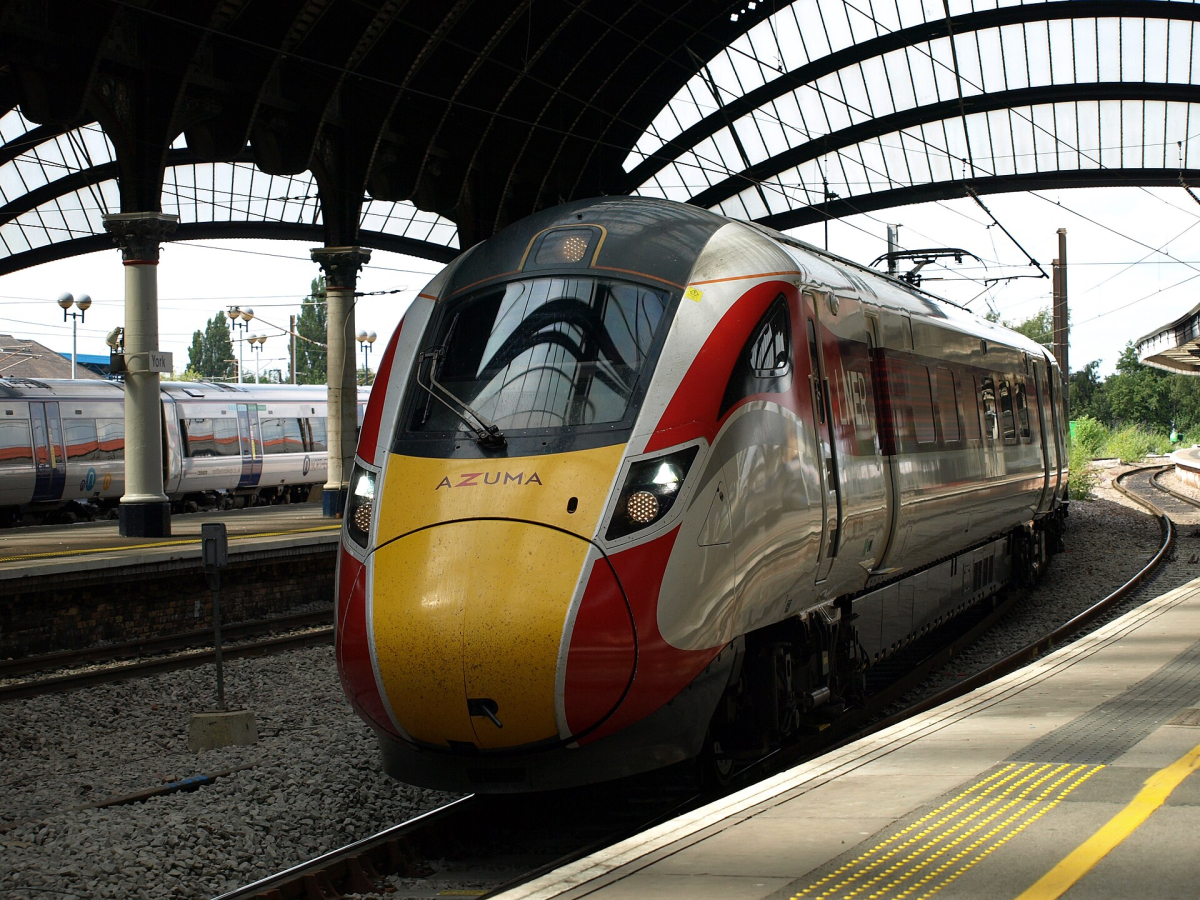
Plan a UK holiday in this order: choose the season, decide how many bases you can reasonably use, check the journeys and then compare the total cost. An inexpensive flight into one region does not necessarily save money if it leaves a long transfer to the places you want to visit. The same applies to a cheap room far from useful transport.
This page combines related planning decisions while keeping separate sections for seasons, itineraries, short-trip budgets, longer stays, airports and transport. Start with the Map & Regions guide if you are still deciding between England, Scotland, Wales and Northern Ireland. Entry documents and emergency preparations are covered in Travel Essentials.
Best Time to Visit
May, June and September are useful months to consider for a mixed city-and-countryside trip, because they can offer a balance between daylight and the busiest summer holiday period. That is a planning preference, not a promise of warm or dry weather. Weather varies substantially by region and elevation. A pleasant day in London says little about conditions on a Scottish hill or an exposed Welsh coast.
July and August support long outdoor days, but popular coastal and rural accommodation can be busy. Edinburgh's festival season requires particularly early accommodation planning. Spring and autumn can suit walking and photography if you keep room for a poor-weather day. Winter can work well for museums, performances and food-focused city visits; short daylight and weather-related disruption make an ambitious rural driving route less forgiving.

| Period | Useful focus | Planning adjustment |
|---|---|---|
| March–May | City visits, gardens and selected lower-level walks | Check seasonal openings and mountain conditions separately |
| June–August | Long daylight, coast and outdoor travel | Reserve popular bases early and keep an alternative for wind or rain |
| September–October | Regional stays, autumn landscapes and cultural visits | Plan around shortening daylight and the final local service |
| November–February | Museums, theatre, food and compact city breaks | Reduce rural ambitions and confirm holiday timetables |
Use the Met Office climate resources for background, then the local forecast and warnings close to departure. Climate averages help choose a season; they do not determine whether a particular walk or ferry will be suitable on a particular day. Pack layers and a waterproof outer layer for a multi-region trip.
Itineraries: Seven, Ten and Fourteen Days
Seven Days: London and York
Spend days one to three in London, keeping the arrival day light. Use one full day for a museum and its surrounding neighbourhood, and another for a river walk and a selected performance or major visit. On day four, travel to York and leave the rest of the day for orientation. Use days five and six for York and one manageable outing, then return or depart on day seven according to the booked route.
This plan deliberately excludes Scotland, Wales and Northern Ireland. It gives a first-time visitor time to settle and avoids pretending that every famous UK place belongs in a one-week holiday. If Edinburgh is more important than York, choose London and Edinburgh as the two bases and give the longer train journey its own space.
Ten Days: London, Cardiff and West Wales
Allow three nights in London and two in Cardiff. Use Cardiff for the castle, civic centre and a separate Bay visit. Spend the next three nights in a west Wales base chosen around the actual coastal walks or beaches you want. Use day nine for the return transfer and a ninth night near the departure point; leave on day ten. Choose that final base around the actual airport or station; an early departure may justify an airport-area night.
For a car-free version, check the final bus to the accommodation before selecting the coastal base. With a car, collect it when leaving the city portion rather than paying for parking while using urban transport. Do not add north Wales to this same short route simply because it belongs to the same nation.
Fourteen Days: London, York, Edinburgh and Belfast
A workable outline is four nights in London, two in York, four in Edinburgh and three in Belfast, followed by departure on day fourteen. Use the London-to-Edinburgh rail corridor for the mainland portion. Give the flight or ferry to Northern Ireland a proper transfer day. From Belfast, choose one coastal outing or add a coast overnight by removing a night elsewhere.
This route is best for travellers who want contrasting cities and are comfortable with several moves. For an outdoor holiday, replace York or Belfast with a longer landscape stay. For a slower pace, use three bases and keep the fourth for another trip. Check the final international departure before committing to a last-minute return across the Irish Sea.
Travel Costs & Money
The currency is pound sterling, GBP (£), including in Northern Ireland. The Republic of Ireland uses the euro. Scotland and Northern Ireland issue their own sterling banknotes; acceptance at an individual business should not be assumed from their appearance. Carry a modest backup amount of cash and a second payment method. If offered a choice of payment currency, compare your card's conversion terms before accepting a merchant's conversion.
Accommodation dates and the number of moves usually drive a large part of the total. Compare like-for-like room occupancy, breakfast and cancellation terms. Then add intercity transport, local journeys, meals, admissions and any visitor levy. Check the actual booking total: Edinburgh's visitor levy means a room-only figure may not be the complete payable amount.
| Example input, two adults | 7 nights / 8 days: lower-input scenario | 7 nights / 8 days: higher-input scenario |
|---|---|---|
| Room per night | £120 × 7 = £840 | £220 × 7 = £1,540 |
| Food per person per day | £30 × 2 × 8 = £480 | £50 × 2 × 8 = £800 |
| Local travel per person per day | £10 × 2 × 8 = £160 | £15 × 2 × 8 = £240 |
| Illustrative subtotal | £1,480 for two adults | £2,580 for two adults |
Replace every input with the actual quote for your dates. A solo traveller does not automatically pay half of a shared-room total. A family must enter the correct children's ages and bedding, while an accessible room may need direct confirmation. Keep a contingency for a missed connection or an extra night rather than spending the entire allowance on prepaid bookings.
Longer Stays & Costs
For several weeks, choose a base that supports ordinary routines: a usable kitchen, laundry, food shopping, dependable transport and enough working or resting space. A compact city flat can be practical for daily life even when it lacks hotel services. A remote cottage can be appealing but may add car costs, fuel and repeated journeys. Check whether utilities, cleaning, linen, internet and heating are included in the total.
Compare a full-period quote with a nightly rate over the same period. As a simple example, a £120 nightly room costs £3,360 over twenty-eight nights before other charges. That calculation is not a rental-market estimate; it shows why the full total matters. Add groceries, laundry, transport and any deposit or cancellation exposure to both options. Confirm the conditions for a longer stay directly, especially where an accommodation listing has limits or seasonal terms.
Permission to visit is separate from permission to live or work. A longer holiday does not automatically permit employment or make repeated visits an alternative to the correct immigration route. Check the Standard Visitor guidance for your circumstances. Choose the legal basis before committing to a lengthy non-refundable stay.
Airports & Transfers
Choose an airport near the first or last actual base. London Heathrow (LHR), Gatwick (LGW), Stansted (STN), Luton (LTN) and London City (LCY) are different airports with different approaches. Manchester (MAN), Birmingham (BHX), Edinburgh (EDI), Glasgow (GLA), Cardiff (CWL), Belfast International (BFS) and Belfast City (BHD) can support other route shapes. Verify the airport code printed on the ticket; a city name alone is insufficient.
At Heathrow, compare the official transport options against the exact hotel address. A fast train to one London terminus may still leave another transfer. Include immigration, baggage, walking within the terminal and any accessibility requirements. A fixed train soon after an international arrival can be a poor fit unless its terms allow the uncertainty.
For Edinburgh and Glasgow, check the airport's own current ground-transport information. For Belfast, distinguish the two airports and their separate bus or taxi journeys. If arriving late, confirm the last public service and a licensed fallback. For an early flight, a final night nearer the correct airport may be worth more than an extra sightseeing stop.
Getting Around

Rail suits many journeys between major cities in England, Scotland and Wales. National Rail's ticket guidance distinguishes Advance, Off-Peak and Anytime products. An Advance ticket is generally tied to the booked service. Flexible tickets still carry route and time conditions; do not assume one universal off-peak starting time. Read the restriction shown for the actual ticket.
Compare tickets with railcards or passes only after checking eligibility and the journeys you will actually make. A pass is not automatically better value, and it may not cover a local bus, city transit or a Northern Ireland service. Reservations, luggage arrangements and assistance are separate checks. For a weekend journey, inspect planned engineering work before building a tight connection.
Coaches can make a useful budget comparison when journey time is less important. Local buses are valuable for rural access, but frequency and evening service vary. In Northern Ireland, use Translink for the actual rail and bus network. In London, TfL's fares guidance explains current payment options; do not apply London payment rules to the rest of the UK.
When a Rental Car Helps
A car can help with several rural stops, a remote property or equipment-heavy travel. It can be an expense and an obstacle for city centres. Confirm the licence and age requirements, deposit, insurance excess, transmission, fuel policy, parking and any one-way charge. Drive on the left and use the posted limits. Mountain and coastal roads can be slower than the map distance suggests.
If the route includes a ferry or the Republic of Ireland, obtain the rental company's permission and understand cover for the actual journey. Do not assume a car collected in Great Britain can be taken anywhere on the island of Ireland. Compare the full rental cost with rail plus a local excursion rather than comparing only the headline daily rental rate.
Compare rental cars on Booking.com
We may earn a commission if you book through our Booking.com links.
Final Planning Check
Read the whole route once as if you were travelling with your bags. Identify the day with the most changes, the earliest departure and the weakest backup. Remove an unnecessary move before adding another attraction. Then use the accommodation guide to choose exact bases and the experience guide to decide what deserves a reservation.


.jpg)
_station_(6394507093).jpg)