
Greece Fast Facts
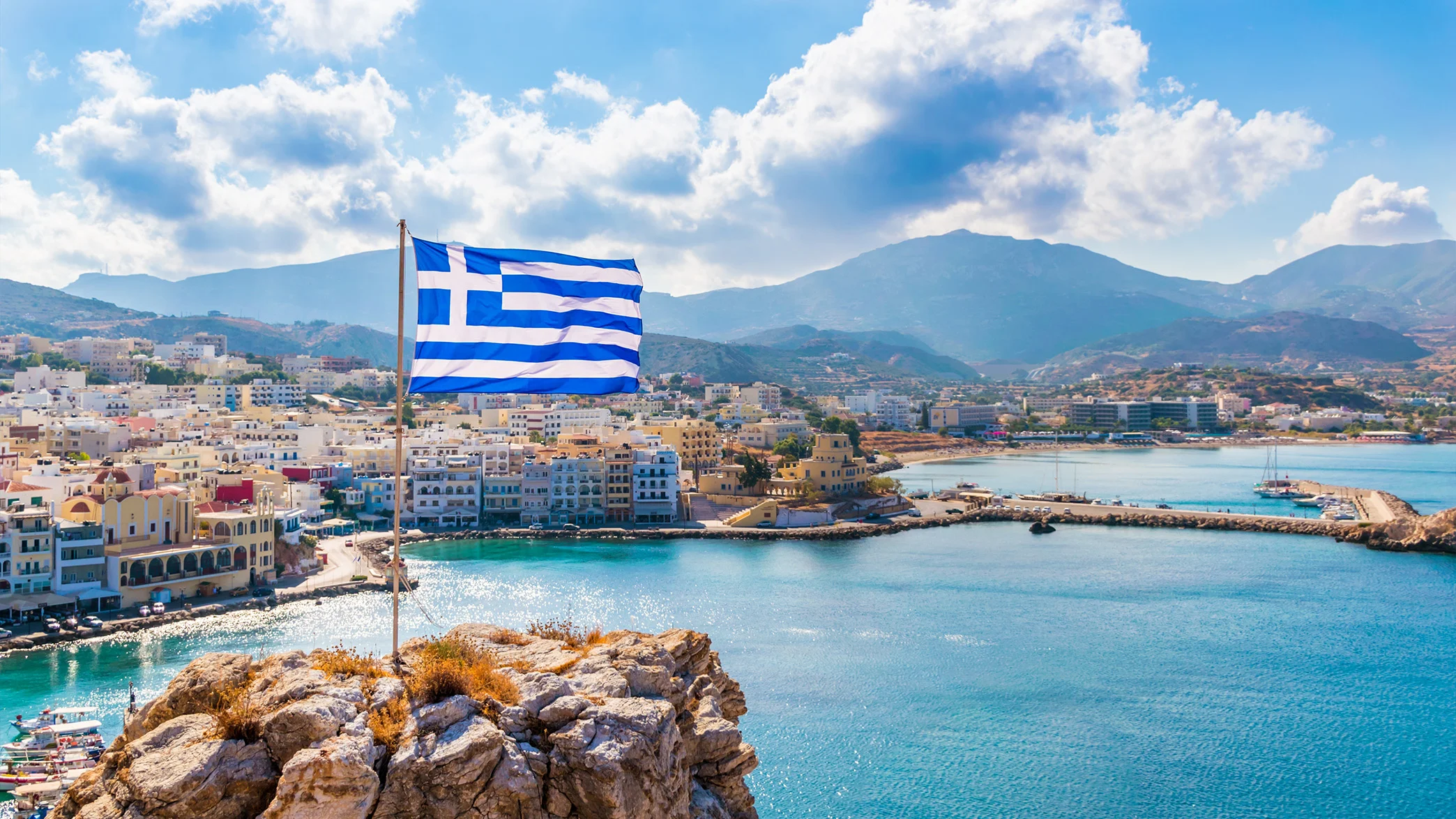
Greece is a country with a rich historical legacy, diverse geography, and a travel culture shaped by both mainland regions and hundreds of islands. This page provides quick, essential facts about Greece to help travelers understand the country at a glance before planning their trip in detail.
Use this fast facts guide as a reference point alongside the Greece Travel Guide, and explore experiences, destinations, and planning topics across the site.
Quick Facts About Greece
- Official name: Hellenic Republic
- Continent: Europe
- Capital city: Athens
- Population: Approximately 10 million
- Official language: Greek
- Currency: Euro (EUR)
- Time zone: Eastern European Time (EET)
- Calling code: +30
- Driving side: Right
Where Is Greece Located?
Greece is located in southeastern Europe, at the crossroads of Europe, Asia, and Africa. The country borders Albania, North Macedonia, Bulgaria, and Turkey, and is surrounded by the Aegean Sea, Ionian Sea, and Mediterranean Sea. This geographic position has shaped Greece’s history, culture, and travel appeal for centuries.
Geography and Landscape
Greece’s landscape is highly varied, combining mountainous mainland regions with extensive coastlines and island groups. Mountains cover much of the mainland, while the country’s long shoreline and islands create countless coastal travel options.
Greece is known for:
- Mountain ranges and scenic inland routes
- Long coastlines with beaches and natural bays
- Hundreds of inhabited and uninhabited islands
- Distinct regional landscapes across mainland and islands
These geographic differences influence travel styles, weather patterns, and the overall pace of travel across the country.
Is Greece Part of the European Union?
Yes, Greece is a member of the European Union and uses the euro as its official currency. It is also part of the Schengen Area, which allows visa-free travel for many visitors entering from other Schengen countries.
For entry requirements and documentation details, visit: Visa & Entry Requirements for Greece.
Language Spoken in Greece
The official language of Greece is Greek. English is widely spoken in tourist areas, major cities, islands, and by people working in the travel and hospitality industry. Visitors generally find communication easy in popular destinations.
Learning a few basic Greek phrases can be appreciated, but it is not required for most travel situations.
Currency and Money Basics
Greece uses the euro (EUR). Credit and debit cards are widely accepted in cities, tourist areas, and island destinations, though smaller towns and local establishments may prefer cash.
- ATMs are common in cities and major towns
- Cards are widely accepted in hotels and restaurants
- Cash is useful in small villages and local shops
Electricity and Plug Types
Greece uses standard European electrical outlets. Travelers from outside Europe may need a plug adapter or voltage converter, depending on their devices.
- Voltage: 230V
- Frequency: 50Hz
- Plug types: Type C and Type F
Climate and Weather Overview
Greece has a Mediterranean climate characterized by hot, dry summers and milder, wetter winters. Weather conditions vary by region, with islands often feeling breezier and mainland areas experiencing more temperature extremes.
For seasonal planning, see: Greece Weather and Best Time to Visit Greece.
Transportation Basics
Greece has a well-developed transportation network that supports both mainland and island travel. Visitors commonly use a combination of flights, ferries, buses, and taxis depending on their itinerary.
For arrival and travel planning, visit: Getting to Greece.
Health and Safety Snapshot
Greece is generally considered a safe destination for travelers. Healthcare facilities are widely available in cities and major tourist areas, and pharmacies are easy to find.
For a full safety overview, see: Is Greece Safe?.
Culture and Daily Life
Greek culture places a strong emphasis on hospitality, social interaction, and food. Daily life often revolves around shared meals, relaxed schedules, and local traditions. Visitors often notice a slower pace, especially in smaller towns and island communities.
Respectful behavior, awareness of local customs, and patience during busy periods contribute to a positive travel experience.
Why Fast Facts Matter for Trip Planning
Understanding key facts about Greece helps travelers make better decisions before arriving. From currency and language to geography and climate, these basics form the foundation of smooth and enjoyable travel.
Once you are familiar with the essentials, continue planning your trip using: Top Destinations in Greece, Things to Do in Greece, and Beaches in Greece.
Continue Planning Your Trip to Greece
This fast facts page is part of the Greece Travel Guide. Use it as a reference and continue exploring detailed guides to build a complete and confident travel plan.