
EUROPE · UKRAINE GUIDE
Ukraine Weather & Best Time to Visit: Seasons and Preparation
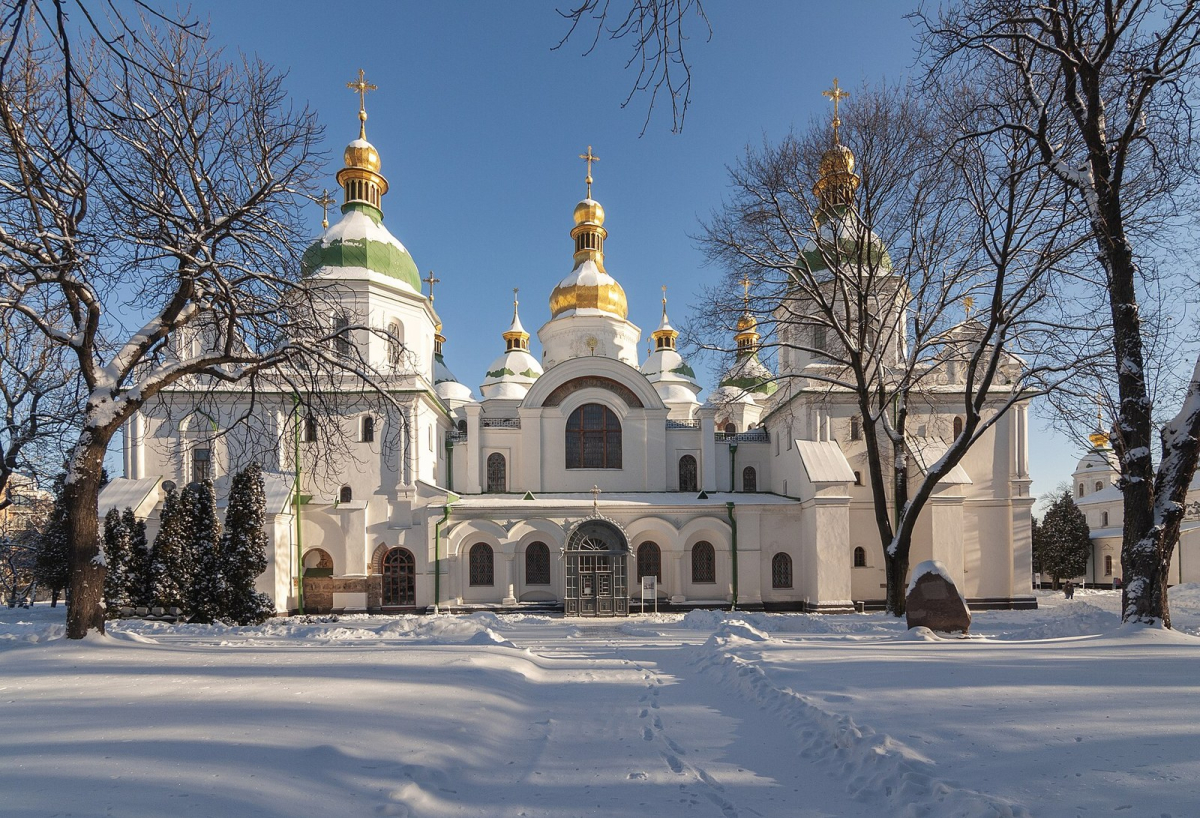
Ukraine has distinct seasons and substantial regional variation, but weather does not determine whether a journey is appropriate during Russia's war. This guide explains the seasonal questions behind future cultural travel and practical preparation for a necessary stay. It avoids promising a universally ideal month, guaranteed snow, an operating ski season or an open seaside resort. Consult current official travel advice before treating a comfortable forecast as a reason to make plans.
Climate, forecasts and travel decisions
Climate describes patterns over a long period; a forecast describes an expected period ahead. Neither is a statement about security, entry permission or the reliability of a particular service. A winter photograph is also not a climate dataset. It records one place and occasion, which may be quite different from your dates. Use each type of evidence for the question it can actually answer.
Ukraine's Hydrometeorological Center provides climate information and current weather warnings. The Met Office Ukraine forecast directory is another way to find location-specific forecasts. Read the issue time, place and forecast period. A forecast for Kyiv should not be substituted for conditions in a Carpathian valley or an Odesa coastal area.
For broad orientation, expect colder winters and warmer summers across much of the country, with important differences in elevation and proximity to the sea. Avoid turning that general pattern into a precise packing temperature. A useful preparation note records the expected daytime and overnight conditions, rain or snow, wind, and how long you might actually spend outside or in transit.
Spring: changing conditions rather than a fixed opening date
March, April and May can involve very different conditions, so “spring” is too broad a category for a specific journey. A mild afternoon may coexist with a cold morning, wet pavements or remaining snow in higher terrain. Urban trees flowering in an old photograph do not establish the timing of the current year's season. Choose layers that can be added or removed without repacking everything.
If you are researching a future cultural trip, spring can be compared with autumn in terms of daylight, temperature and the subjects you want to study. That is an editorial comparison, not confirmation that a museum, festival or walking area is operating. Look up the institution or organiser separately. Do not copy pre-war opening calendars or assume outdoor facilities start on the first day of a named season.
For a necessary stay, consider the practical effect of rain on the route between your accommodation and your commitments. Ask whether there are steps, unpaved approaches or a long wait outdoors. Waterproof footwear and a compact outer layer may be more useful than an elaborate list of seasonal attractions. Leave room for a change in arrangements if conditions affect the service you depend on.
Summer: heat, daylight and misleading beach assumptions
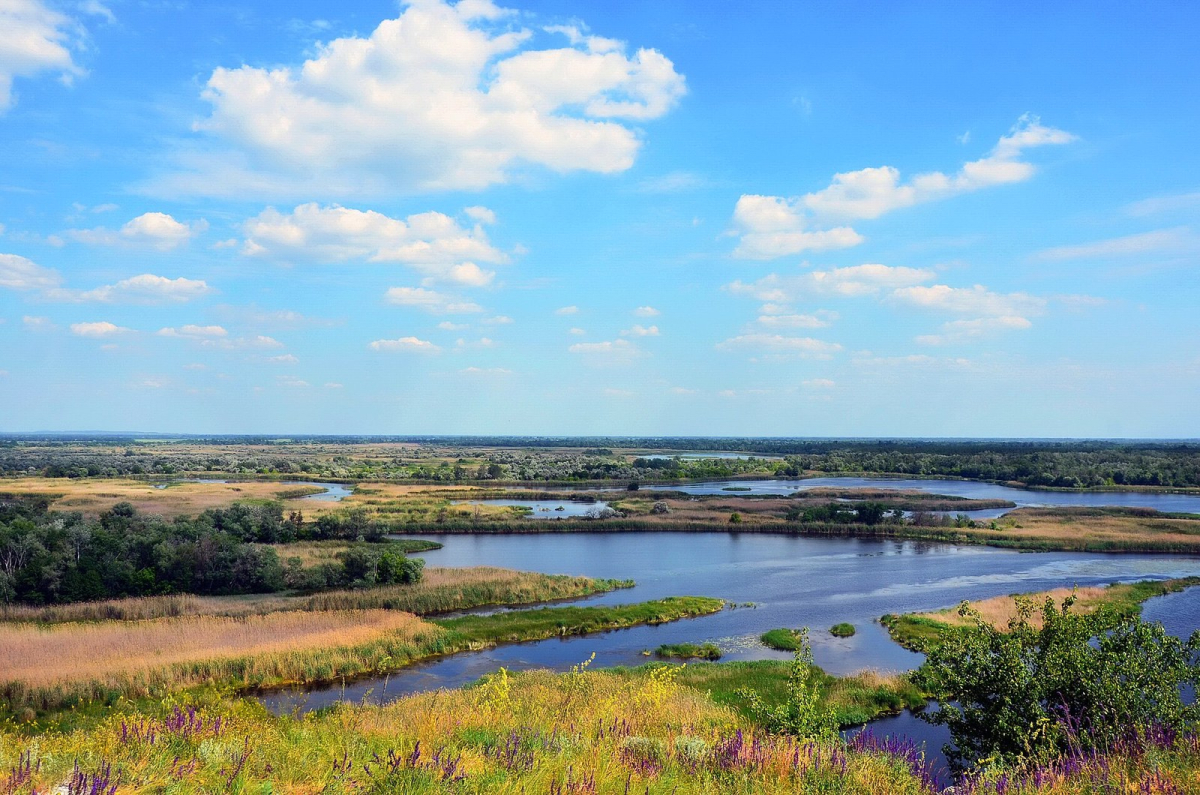
June through August brings longer days, but a national average cannot describe every city or every spell of weather. A warm urban afternoon, a breezy coast and a wet mountain day need different preparation. Consult the forecast for the exact location. Do not assume that the warmth visible in a landscape image represents the conditions inside a train, a hotel room or a building during an interruption to services.
For a necessary journey, ask practical questions about drinking water, shade during waits, room ventilation and the actual cooling arrangements at the property. An amenity listed as air conditioning does not establish that it runs continuously. If a traveller has particular health needs, those belong in an individual medical discussion rather than a generic seasonal packing article. The Health & Safety guide explains the broader preparation questions.
Warm weather does not establish permission to swim or enter a beach. Coastal access can involve restrictions and hazards unrelated to water temperature. Read the Beaches page for the distinction between coastal geography and current access. This weather guide does not recommend a Black Sea holiday or use a crowded historical beach photograph as evidence of present conditions.
Autumn: daylight and layers

September, October and November should not be treated as one uniform period. A mild start to autumn does not predict the end of the season. If your plans depend on being outdoors, compare sunrise and sunset for the actual dates, then account for transport and local restrictions separately. Longer photographic shadows or colourful foliage are cultural interests, not reasons to extend a journey into an unsuitable time of day.
Packing for autumn is easier when you think in combinations: a base layer, a warmer layer and a waterproof outer layer can answer more conditions than one heavy garment. Check whether your accommodation offers laundry or a place to dry clothing, especially for a longer stay. The need to carry less luggage should be balanced against having clothing available if a service is interrupted.
An autumn image from a Lviv park illustrates seasonal colour in that particular place. It is not a recommendation to leave permitted routes, enter woodland or follow a newly found path. Use an official warning and local instructions for the current decision. A weather app cannot tell you whether an area is closed for reasons that have nothing to do with rain or temperature.
Winter: prepare for the whole journey
December through February can involve cold, ice and snow, with local and year-to-year differences. Do not plan around guaranteed snowfall, a guaranteed ski opening or a statement that winter is always quiet. In particular, a city's attractive winter architecture should not obscure the practical questions about heating, electricity, water and the time spent waiting between connections.
For accommodation, ask what heating is available in the actual room category, how interruptions are managed and whether stairs may be necessary. A hotel's general claim about backup power needs more detail: which services it supports and for how long are different questions. Those answers are property-specific and should be recorded in writing. The Hotels page provides a comparison framework without guaranteeing protection or continuity.
For transport, consider clothing that remains useful if a timetable changes. Keep essential medication, a charged phone and appropriate layers accessible rather than burying them in luggage. Check the operating company's current information before departing. Our Getting Around guide keeps transport verification separate from the weather assessment; neither one proves that a journey should go ahead.
Compare seasons without inventing precise averages
This table is an editorial preparation checklist. It deliberately avoids numerical monthly averages whose station, reference period and measurement method have not been established. It is not a forecast or a calendar of open attractions.
On a narrow screen, swipe the table or focus it and use the left and right arrow keys to see every column.
| Period | Weather questions to check | Preparation emphasis | Separate decision |
|---|---|---|---|
| Spring | Overnight cold, rain, remaining snow at elevation | Adjustable layers and wet-weather footwear | Actual institutional or outdoor access |
| Summer | Heat, wind, heavy rain and room conditions | Water arrangements and practical cooling questions | Coastal access and local restrictions |
| Autumn | Falling temperatures and shorter daylight | Layers, waterproofing and drying clothing | A suitable return plan for your commitments |
| Winter | Ice, snow, wind and cold exposure during waits | Warm clothing and verified heating arrangements | Transport operation and contingency accommodation |
Regional differences and warning literacy
Elevation matters in western mountain areas, where a forecast for a nearby city may be a poor substitute for the conditions higher up. In the south, a maritime location can affect weather without making conditions uniform along the entire coast. Central, northern and eastern cities also differ from each other. Use the Map & Regions page to locate a forecast rather than assuming a national headline applies everywhere.
When a warning is issued, read its geographical extent, validity period and recommended action. Do not translate a colour into a private judgement that the conditions are manageable. Save the relevant official link and check for updates, especially before a transfer. If two services appear to disagree, check whether they refer to the same place and period before deciding that one forecast has cancelled the other.
Is there a best month?
For future research, the best month depends on the subject, region and type of activity; for a current journey, the first question is whether travel should happen. There is no weather-based answer that overrides official advice during the war. Resolve the travel decision first, then use this page to prepare for the conditions relevant to the actual dates. Cultural interest remains valuable even when travel is postponed.



