
London Travel Guide
London Travel Guide
London rewards a little planning. The capital is large, its headline sights are spread across several districts, and getting between them can take longer than a map suggests. Use this guide to choose a base, group nearby landmarks, understand transport and find the right pages for food, events and day trips.
Explore all London guides
Plan your London trip
For a first visit, start with London’s major attractions and add experience-led ideas from things to do in London. Avoid crossing the city repeatedly: Westminster, the South Bank and the City can each fill a day when you include museums, queues and meals. Use the London area guide to understand where each neighbourhood sits.
Choose where to stay
Central London is not one compact centre. Covent Garden and Soho suit theatre, dining and central sightseeing; South Bank gives easy riverside walks; Bloomsbury is handy for museums and rail connections; Kensington works well for major museums and parks. Compare areas in Hotels in London before booking. For a late flight or early departure, check the airport and rail connection before choosing an airport hotel.
Compare London accommodation on Booking.com.
Affiliate disclosure: Photos4Travel may earn a commission if you book through the Booking.com link on this page.
Getting around
The Underground, Elizabeth line, buses, Overground, DLR and National Rail make most visitor journeys possible without a car. Contactless payment is convenient, but use the same card or device for each journey so fares can be calculated correctly. Read the London Transportation Guide and check TfL service updates for current changes.
When to visit
London is a year-round destination. Longer daylight and outdoor events make late spring and summer popular; autumn and winter bring shorter days, indoor cultural options and seasonal events. Weather can change within a day, so pack layers and check the forecast before excursions. The London weather guide explains seasonal trade-offs and the best time to visit for different kinds of trip.
Food, culture and experiences
London’s food scene ranges from historic pubs and Sunday roasts to South Asian restaurants, Chinatown, neighbourhood bakeries and market stalls. Use London Food & Drinks to choose what and where to eat. Add a West End show, a Thames boat trip, a neighbourhood walk or a market visit through the experiences guide.
Practical essentials
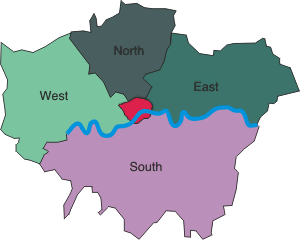
London uses the pound sterling, drives on the left and has a temperate climate. The city is spread across Greater London; many attractions described as “central” are still several stops or a substantial walk apart. The London Fast Facts and London Travel Tips cover money, safety, phone data, emergency help and entry checks. Before travel, check current UK visa or ETA requirements using the GOV.UK visa and ETA checker.
How long to spend in London
A long weekend gives time for a few central landmarks, one museum and a neighbourhood evening, but it will not cover the whole city. Four or five days makes it easier to add South Kensington, Camden, Greenwich or a show without rushing. With a week, consider one day outside the centre or a day trip. Keep the first afternoon flexible if you are arriving after a long flight.
Build days around nearby areas
Westminster and the South Bank work well together, as do the Tower, Tower Bridge and the City. The British Museum pairs naturally with Bloomsbury and Covent Garden; South Kensington’s museums can take most of a day. Do not assume a short straight-line distance means a quick trip: river crossings, station interchanges and queues all add time.
Tickets, queues and reservations
Reserve timed-entry attractions, shows and special meals that anchor your schedule. Compare direct entry and guided-tour options on the venue’s official site, and check entry windows, bag rules and cancellation terms. Some free venues still control capacity. Leave time for security, meals, weather and rest; booking lunch near popular sights or eating slightly earlier can reduce waits.
Arriving and settling in
Choose an airport transfer based on your destination station and arrival time, then check whether the hotel can store bags before check-in. On arrival day, avoid a fixed appointment that depends on clearing immigration, baggage reclaim and cross-city travel. Airport options differ considerably; see London Airports before buying a flight.
Accessibility and travel pace
Step-free routes, frequent rest stops and quieter spaces need extra planning. Station lifts can be unavailable, pavements crowded and historic venues uneven. Check TfL step-free access information and contact venues about their facilities. Plan realistic walking distances, build in seated breaks, and consider fewer stops with parks or cafés between indoor visits.
First-time London itinerary ideas
These suggested days start and finish near useful stations. Walking and visit allowances are planning suggestions, not booked tour durations. Choose one main interior visit per day and leave arrival day flexible.
Day one: Westminster and the South Bank
- Morning — Westminster: start at Westminster station for Parliament Square and the riverfront. If the Abbey is your main visit, reserve through Westminster Abbey; sightseeing entry and worship have different arrangements.
- Lunch and a break: choose a stop near Westminster or Waterloo rather than crossing London for a meal. Keep roughly an hour free between the morning visit and the afternoon walk.
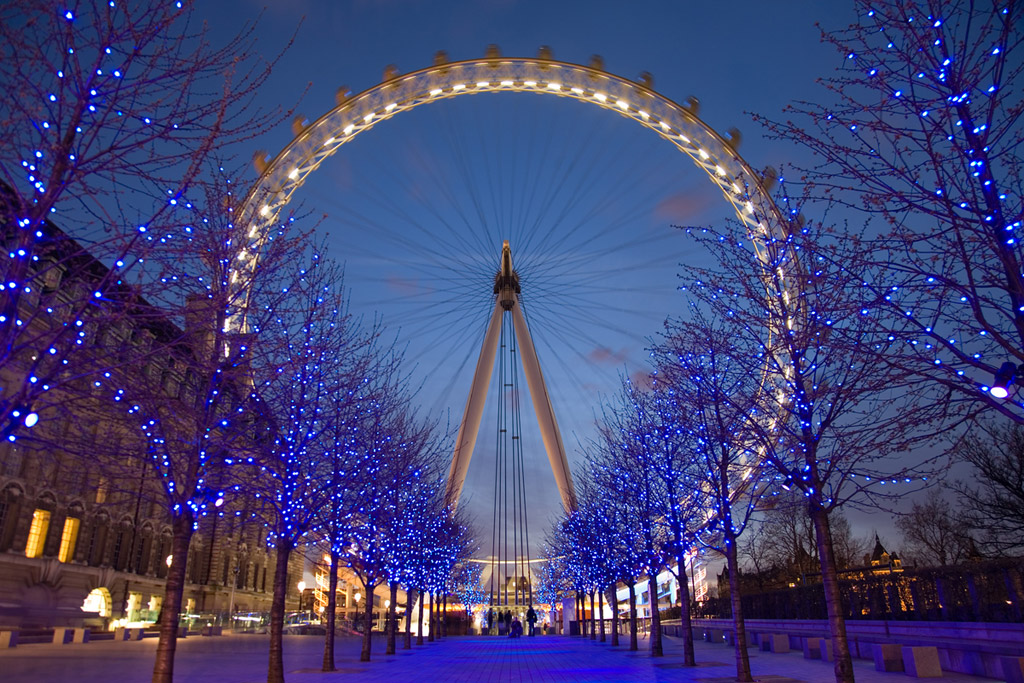
- Afternoon — South Bank: cross Westminster Bridge, pass the London Eye and follow the river to the Southbank Centre. Continue towards Tate Modern only if the group wants the longer walk. Waterloo is an earlier finish; Blackfriars is a useful finish near Tate Modern.
- Weather alternative: shorten the exposed riverside section and use the Tate Modern visitor page to choose an indoor collection visit. Its location fits the same district; it does not require restarting the day elsewhere.
Day two: the Tower and London Bridge
- Morning — Tower Hill: make the Tower of London the main booking. Allow a generous morning for security, the Crown Jewels and the parts of the fortress that interest you.
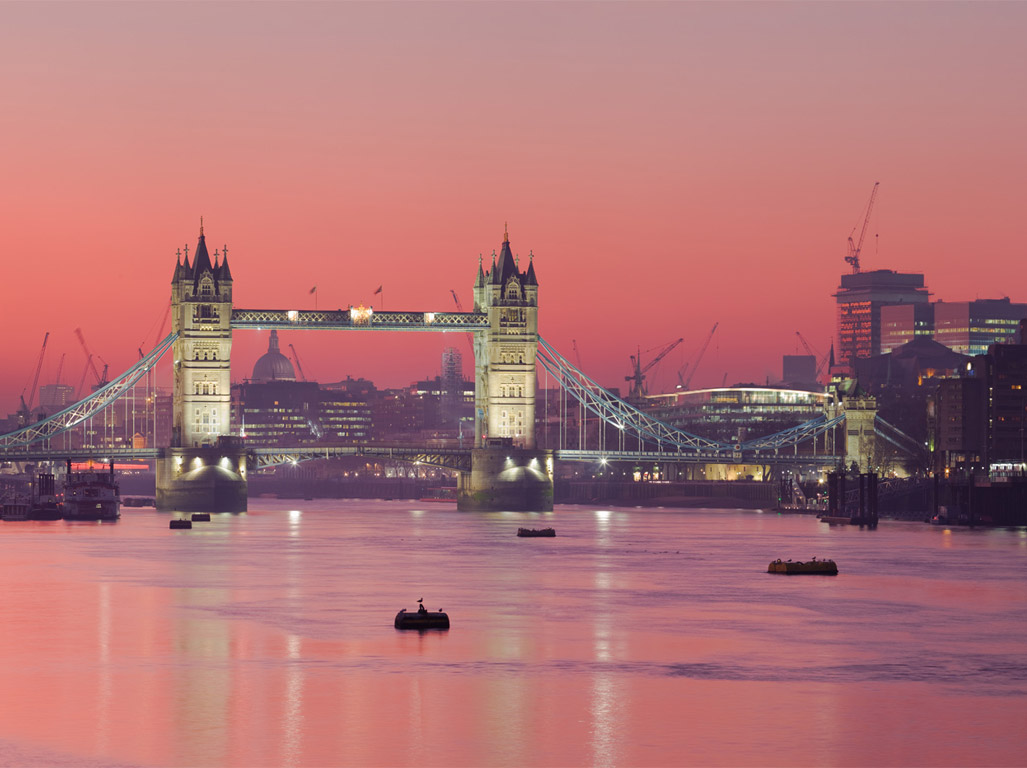
- Afternoon — Tower Bridge and Southwark: walk across Tower Bridge, then follow the south bank towards London Bridge. The bridge's high walkways require separate admission; crossing at street level is a different activity.
- Food and finish: use Borough Market when its trading hours fit, or a nearby restaurant when they do not. Finish at London Bridge rather than retracing the whole route.
Day three: Bloomsbury and a West End evening
Start near Holborn or Russell Square and choose a few collections at the British Museum. Book the recommended free entry slot; special exhibitions are a separate choice. Leave the afternoon for Bloomsbury streets and Covent Garden, then reserve dinner close to your theatre. Match the venue, curtain time and return journey before buying a show ticket through Official London Theatre. If museum fatigue sets in, shorten the collection visit rather than adding another major museum.
For four or more days, add one district that matches your interests — Greenwich, South Kensington or Camden — or use the day-trip comparison. Do not put Bath or the Cotswolds into an already full central London day.
Useful planning order
- Choose the dates and check major event calendars.
- Book a hotel near the areas or rail connections you will use most.
- Reserve only the experiences with limited availability.
- Group remaining sights by neighbourhood and check opening days.
- Recheck transport and weather shortly before each day.
This sequence keeps the schedule practical without turning every hour into an appointment. Use the linked topic guides for detailed decisions and check official sources when arrangements can change.
Photo stops that fit the route
On day one, use the South Bank near Westminster Bridge for Parliament across the river, then move along the embankment for different London Eye compositions. On day two, compare Tower Bridge from the south-bank promenade with the closer view beside the bridge. Including the river gives context; photographing only the towers creates a tighter architectural study. Keep pedestrian routes clear and judge the actual light rather than relying on a guaranteed sunset effect.
The existing Tower Bridge and London Eye photographs introduce these two different riverside subjects. For more routes, use London walking and photography experiences.
Research and update: Photos4Travel planning guide, updated 30 September 2026. Official visitor, venue and transport sources are linked where relevant. Suggested routes and visit allowances are editorial planning examples; live schedules, menus and access conditions come from the linked providers.