
Poland Health & Safety: Precautions, Healthcare and Emergency Planning
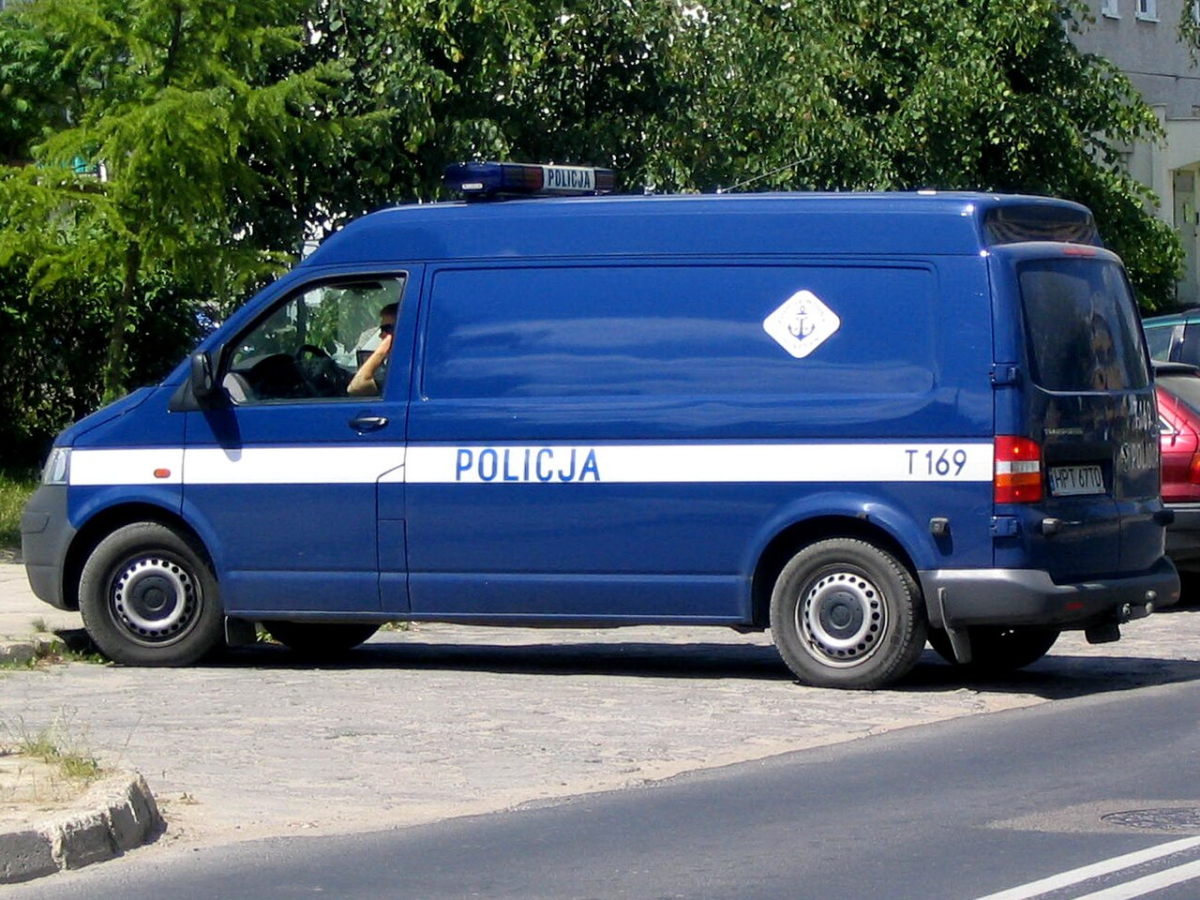

Poland’s cities, coast and national parks call for different precautions. A museum-focused visit to Warsaw needs practical arrangements for transport and belongings; a winter walk in the Tatras requires a separate decision about terrain, weather and equipment. Match preparation to the activities you will actually do. This page helps organise that preparation and points to official advice rather than predicting conditions for every traveller or replacing professional medical assessment.
Check your own government’s travel advice and your insurer’s conditions before departure, then review local information during the trip. Health & Safety covers prevention and response; Useful Contacts provides the relevant official channels. Read Visa & Entry separately for the border requirements applying to your nationality. An emergency number, travel insurance policy and valid passport serve different purposes, so having one does not remove the need to arrange the others.
Emergency planning before you need help
Use 112 for an emergency requiring police, fire or ambulance assistance. The operator needs the location and what has happened, so identify the street, town, building or trail as accurately as you can. Save the address of each accommodation offline and learn how to find your position without relying on a live data connection. If travelling together, agree where to meet after separation and which person holds essential booking and insurance details. These small preparations reduce confusion when a phone battery dies or an incident interrupts the day.
An emergency call should describe the immediate problem rather than becoming a request for general visitor information. Follow the operator’s instructions and avoid moving someone with a suspected serious injury unless remaining there creates immediate danger. For a non-emergency health concern, ask a qualified local professional or your insurer’s assistance service about suitable care. Hotel staff may help locate a service, but their availability is not a substitute for emergency assistance. Keep the policy number and assistance contact reachable by everyone who may need them.
Healthcare, cover and medicines
Arrange insurance that covers the destinations, activities and existing medical circumstances relevant to the trip. Check how the policy handles hospital care, rescue, interruption and returning home. Eligible visitors may have access to medically necessary public care through an EHIC or GHIC under the applicable rules, but eligibility differs by country and card. Such a card does not replace insurance or automatically cover private treatment, rescue or repatriation. Consult the official healthcare guidance for your own circumstances rather than assuming that every foreign visitor receives identical coverage.
Discuss necessary medicines and travel preparation with a qualified clinician when appropriate. Carry medication in identifiable packaging and retain the prescription or supporting documents you may need. Poland has specific requirements for bringing certain controlled medicines across the border; check the Chief Pharmaceutical Inspectorate’s guidance for the actual substance and quantity before departure. Do not rely on a medicine’s brand name alone or assume that an ordinary purchase elsewhere means unrestricted entry. Keep essentials in a place that remains accessible during the journey, with a sensible plan for delays and temperature requirements.
City streets, belongings and transport
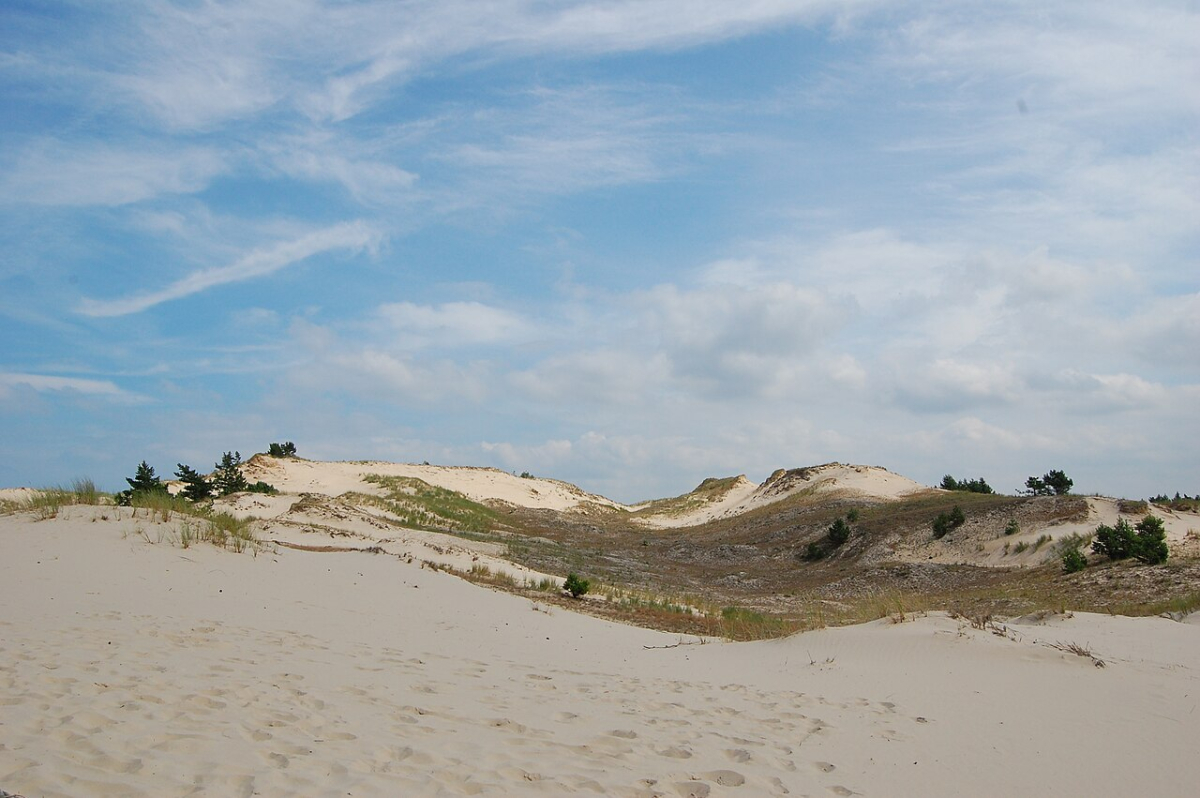

Keep control of valuables in crowded stations, markets, public transport and nightlife areas. Separate a backup payment method from the wallet used during the day, and avoid displaying all your cash while buying a ticket. Put bags where you can monitor them and check that you have collected everything before leaving a café or train. These precautions are useful in Warsaw, Kraków and Gdańsk without implying that every busy street presents the same risk or that an unattended bag is safe because the neighbourhood looks quiet.
Confirm the provider, route and payment method when arranging a taxi or transfer. Know the accommodation address and retain a way to contact it. For late returns, check the actual final train or bus rather than assuming the daytime service continues overnight. Use marked crossings and make a fresh assessment of approaching vehicles instead of following another pedestrian automatically. Getting Around explains how to choose transport; safe use also depends on attention to the immediate surroundings, visibility, luggage and the party’s needs.
Nights out and personal boundaries
Plan the journey home before drinking or entering a venue. Choose a meeting point, keep a phone charged and make sure companions know how to reach the accommodation independently. Read the menu and any entry conditions before ordering. If a situation feels pressured or the pricing is unclear, leave while you can do so calmly and seek help from an appropriate public service if there is a threat. Do not treat an affiliate activity listing or a busy venue as a guarantee of personal security.
Stay aware of drinks and avoid accepting circumstances that leave you separated from trusted companions without a return plan. Respect others’ boundaries and local venue rules. A historical walking tour, concert and nightclub have different timings and expectations, so choose the evening format that fits the party. Nightlife explains areas and practical choices; it does not establish that every event or street is suitable at every hour. Travellers who need a quieter environment should plan that preference alongside transport, accommodation and the following morning’s commitments.
Mountains, forests and changing weather
The Tatras and Karkonosze can present conditions very different from the city where you began the day. Check the park’s current tourist information and the IMGW forecast, then decide whether the route suits your experience, equipment and available daylight. Snow, ice, wind and thunderstorms can make a previously reasonable plan unsuitable. A popular photograph or a familiar summer path does not establish safe winter access. Turn back or choose a lower route when the conditions exceed the party’s capability.
In forests, wetlands and other protected areas, follow the permitted paths and the current park notices. Take water, suitable clothing, offline navigation and a way to communicate, while recognising that signal coverage can be limited. Tell a trusted person the realistic route and expected return when the setting warrants it. Follow qualified medical advice on precautions against tick bites and what to do after a bite or symptoms. Walking & National Parks provides the destination choices; local notices and the weather determine the final decision on the day.
Baltic beaches, lakes and water
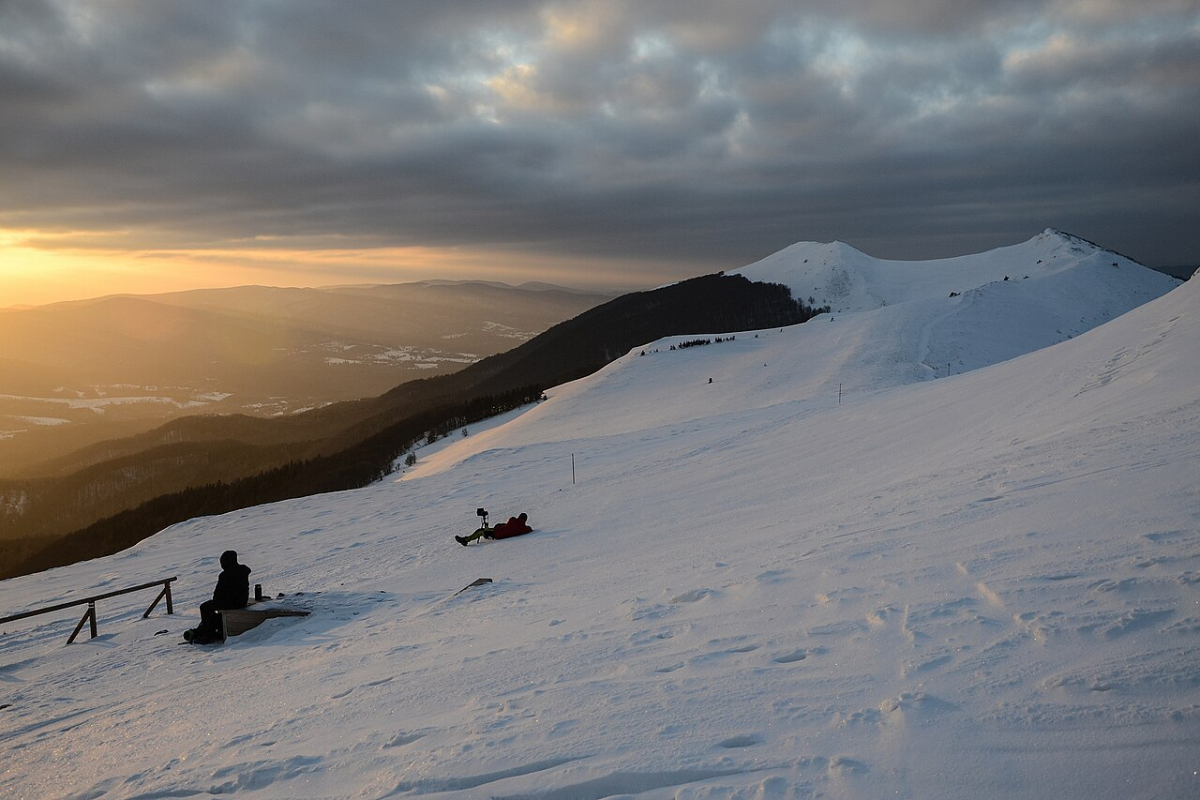

Choose a designated bathing area with current information and follow the lifeguard’s instructions and displayed conditions. A beach name, attractive water or last year’s visitor report does not confirm that swimming is suitable today. The Baltic can be cold and conditions can change; lakes also differ in depth, access and supervision. Keep children and anyone needing assistance under appropriate supervision, and assess the actual entry and exit points before approaching the water. Beaches describes locations without treating every shore as a monitored bathing facility.
Avoid swimming after drinking and do not use an unverified shortcut across dunes, harbour infrastructure or restricted shore areas. For a boat or water activity, check the operator, equipment, weather arrangements and requirements for the participants. A cancellation caused by conditions should be part of the plan rather than an invitation to find an improvised alternative. In cooler months, a coastal walk can be worthwhile without entering the sea; protect against wind and exposure and keep clear of areas where waves or unstable ground create danger.
Border regions, advice and disrupted plans
Check current official advice before planning travel near Poland’s eastern borders. Access rules, border crossings and security conditions can change, and a road appearing on a map does not establish that a visitor may use it. Read the guidance that applies to the precise location and nationality involved. Avoid interpreting the general appeal of Podlasie or the Bieszczady as confirmation of unrestricted access to every frontier area. Keep the itinerary flexible enough to use a different permitted base or route if necessary.
For disruptions elsewhere, prioritise an orderly change of plan: contact the accommodation or operator, retain useful receipts and consult the insurer when the policy may apply. Save documents and essential contacts offline while protecting sensitive information from public exposure. If a passport is lost, follow police and consular guidance for your nationality; a photograph of the document does not itself authorise border travel. Prepare carefully, use the official channels for the actual issue and keep everyday decisions proportionate to the circumstances you encounter.
Compare the practical choices
| Choice | Useful focus | Check before committing |
|---|---|---|
| City travel | Control belongings and return transport | Crowds, crossings and your party’s needs |
| Health | Suitable cover and medicine preparation | Eligibility, controlled substances and advice |
| Nature or water | Suitable route and current conditions | Park notices, lifeguards and emergency location |
Official information and sources
Checked for this guide on 12 October 2026. Recheck date-sensitive entry, access, transport and event information before booking or departure.
- UK Foreign, Commonwealth & Development Office — Poland safety advice
- UK Foreign, Commonwealth & Development Office — Poland healthcare
- Polish Ministry of the Interior — emergency number 112
- Chief Pharmaceutical Inspectorate — medicines for personal use
- Chief Pharmaceutical Inspectorate — controlled medicines at the border
- Tatra National Park — official visitor information